Key Considerations for Post-Processing of Die-Cast Parts

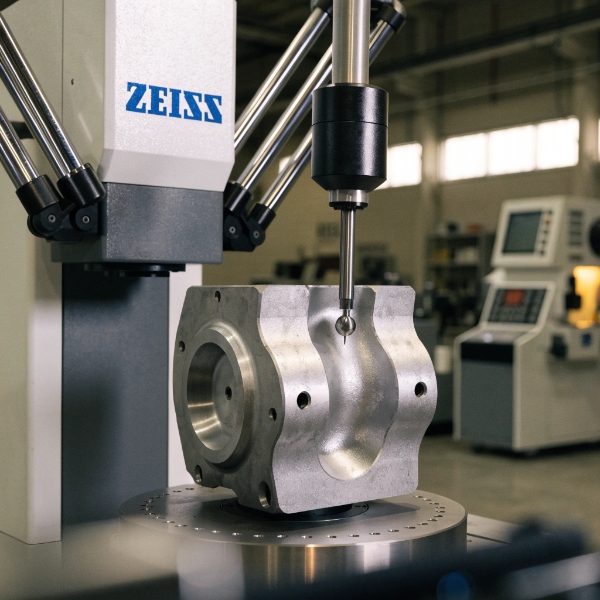
Key Considerations for Post-Processing of Die-Cast Parts Post-processing of high-pressure die casting (HPDC) components is where many projects succeed or fail under OEM scrutiny. For Tier 2 suppliers delivering structural aluminum parts—particularly motor housing die casting or large EV structural castings—the casting itself is only the starting point. Dimensional capability, sealing integrity, and surface condition […]

Design of Large and Complex Aluminum Alloy Gearbox Housing Die Casting Mold

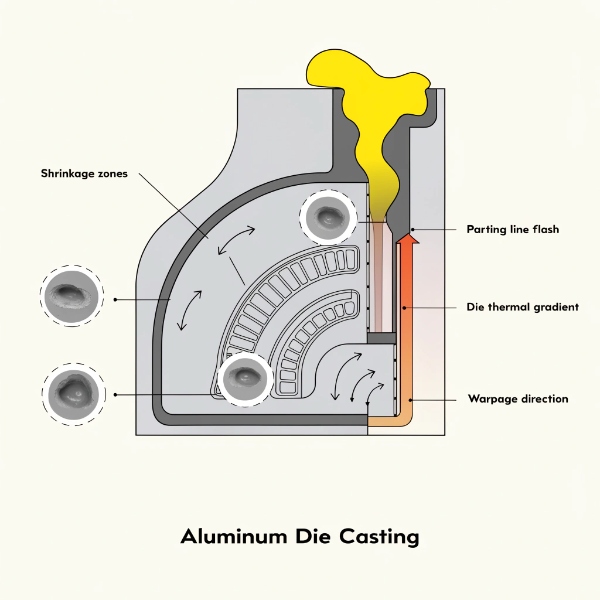
In high-volume automotive die casting applications, gearbox housings rank among the most demanding structural components. These large, thin-walled parts with intricate oil channels, mounting bosses, and sealing surfaces must deliver precise dimensional stability under thermal cycling while maintaining leak-tightness. For Tier 2 suppliers squeezed between OEM requirements and machining partners, mold design decisions made early

Porosity in Die Casting: The Engineer’s Guide to Identification and Control

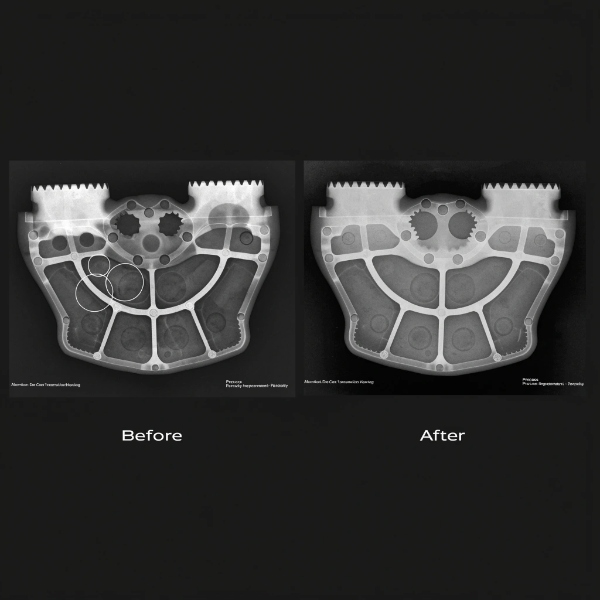
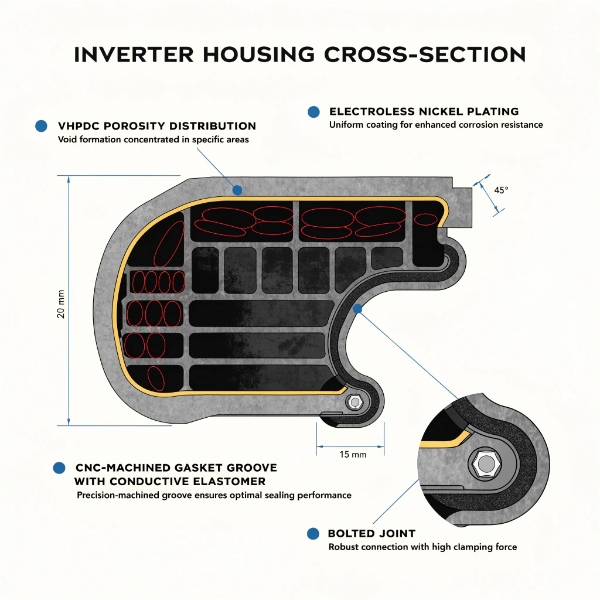
Porosity is the most common, and arguably the most challenging, defect in high-pressure die casting (HPDC). For engineers designing structural automotive components—like EV motor housings or battery trays—porosity isn’t just a cosmetic issue; it’s a potential failure point for pressure tightness and structural integrity. At EMP Tech, we don’t promise "zero porosity"—it’s thermodynamically impossible in

Top 10 Automotive Parts Made by Die Casting (With Real-World Examples)

High-pressure die casting (HPDC) has become the dominant manufacturing process for automotive structural and powertrain components, driven by the industry’s relentless push for lightweighting, integration, and cost efficiency. For Tier 1 and 2 suppliers, knowing which parts are feasible—and which process variants each demands—is the difference between a smooth PPAP Level 3 submission1 and a