Custom Automotive Aluminum Parts Manufacturer: How to Choose the Right Partner

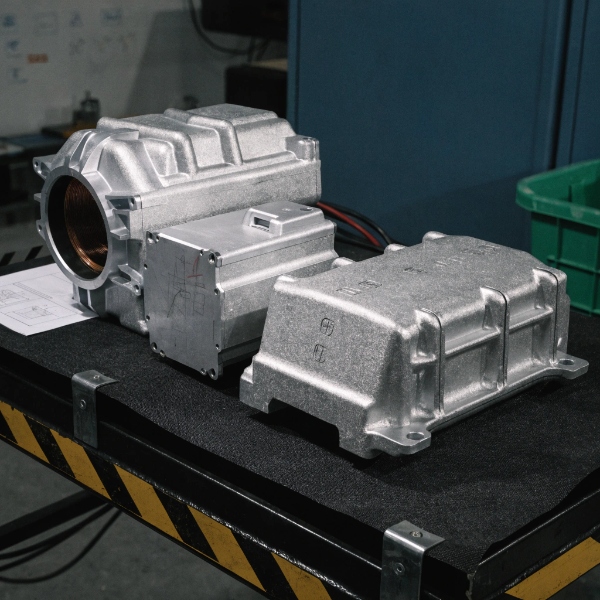
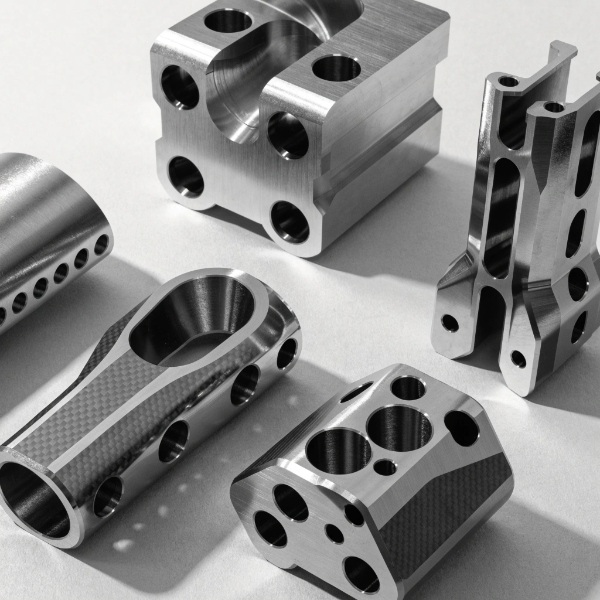
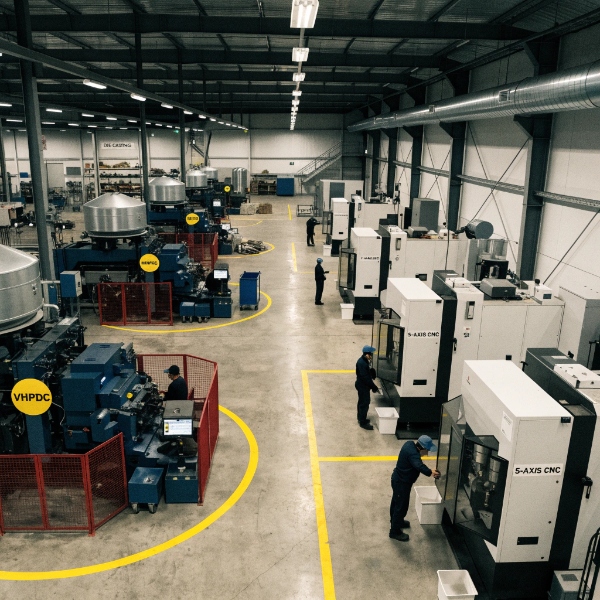
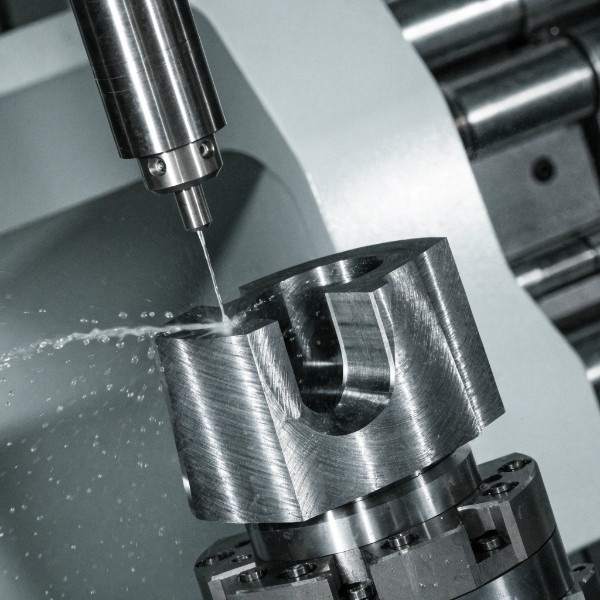
What Is a Custom Automotive Aluminum Parts Manufacturer? A custom automotive aluminum parts manufacturer is a supplier that engineers and produces aluminum components — die-cast, machined, and assembled — to a customer’s specific design, meeting automotive quality standards (IATF 16949, VDA 6.3) and documentation requirements (PPAP Level 3). Unlike a catalog parts distributor, a custom

FSW (Friction Stir Welding) in Die Casting: When & Why

What Is Friction Stir Welding in Die Casting? Friction Stir Welding (FSW) in die casting is a solid-state joining process where a rotating, non-consumable tool traverses the seam between two die-cast aluminum components — typically the cast base and a wrought or cast lid — generating frictional heat that plastifies the metal without melting it,

High Precision Aluminum Die Casting Supplier: Engineering Capabilities That Define Tier-1 Readiness

What Defines a High Precision Aluminum Die Casting Supplier? A high precision aluminum die casting supplier is a manufacturer capable of consistently producing die-cast aluminum components with dimensional tolerances of ±0.05 mm on critical features, Cp values ≥ 1.33 on as-cast dimensions, and Cpk ≥ 1.67 on machined critical-to-function (CTF) dimensions — all under IATF

High Thermal Conductivity Aluminum Die Casting: 5 Heat Dissipation Housing Applications

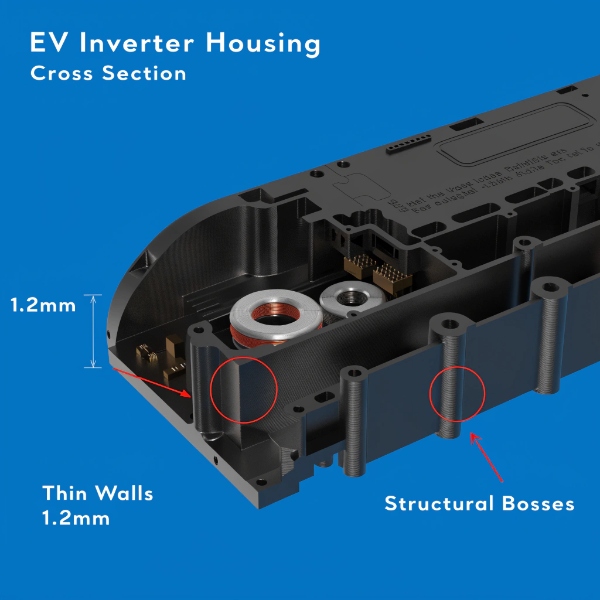
What Makes Aluminum Die Casting Ideal for Thermal Management Housings? High thermal conductivity aluminum die casting is the process of manufacturing aluminum alloy housings with enhanced heat dissipation properties using high-pressure die casting (HPDC) or vacuum high-pressure die casting (VHPDC). The thermal conductivity of die-cast aluminum alloys ranges from 96 W/m·K for standard ADC12 to

Case Study: Reducing Porosity in Automotive Housing by 60%

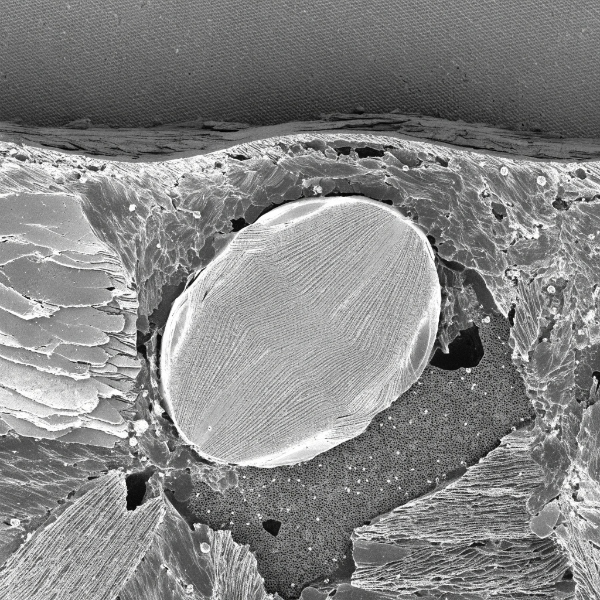
The Project: Transmission Housing for a European Tier 1 In early 2025, a German Tier 1 supplier approached EMP Tech with a chronic quality problem on an existing transmission housing program. The part — a two-cavity die casting in ADC12, weighing 4.2 kg with a 280 mm overall length — had been in production at