Author name: Stan

Why EV Housings Require High-Precision Die Casting (An Engineer’s Perspective)

The transition from internal combustion engines (ICE) to electric vehicles (EVs) has radically altered the expectations placed on the die casting supply chain. Ten years ago, an aluminum foundry could survive by pouring simple transmission brackets and oil pans with relatively loose tolerances. Today, that same foundry will face catastrophic scrap rates if tasked with

Die Casting vs CNC Machining for Automotive Parts: Cost & Performance Analysis

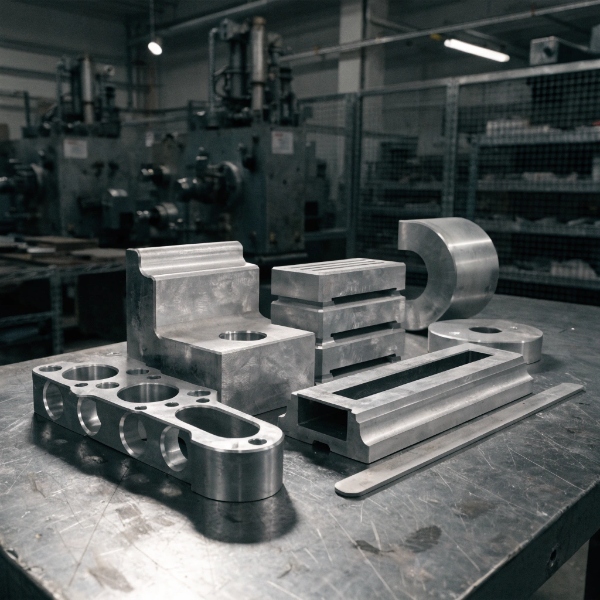
When developing structural or thermal management components for modern automotive architectures, engineering teams eventually hit a critical crossroad: should we CNC machine this part from a solid billet, or invest in tooling for High-Pressure Die Casting (HPDC)? For Tier 1 system integrators, making the wrong choice here doesn’t just inflate the piece price; it jeopardizes

Porosity in Die Casting: The Engineer’s Guide to Identification and Control

Porosity is the most common, and arguably the most challenging, defect in high-pressure die casting (HPDC). For engineers designing structural automotive components—like EV motor housings or battery trays—porosity isn’t just a cosmetic issue; it’s a potential failure point for pressure tightness and structural integrity. At EMP Tech, we don’t promise "zero porosity"—it’s thermodynamically impossible in

Top 10 Automotive Parts Made by Die Casting (With Real-World Examples)

High-pressure die casting (HPDC) has become the dominant manufacturing process for automotive structural and powertrain components, driven by the industry’s relentless push for lightweighting, integration, and cost efficiency. For Tier 1 and 2 suppliers, knowing which parts are feasible—and which process variants each demands—is the difference between a smooth PPAP Level 3 submission1 and a