How to Design Die-Casting Molds for New Energy Vehicle Motor Housings?

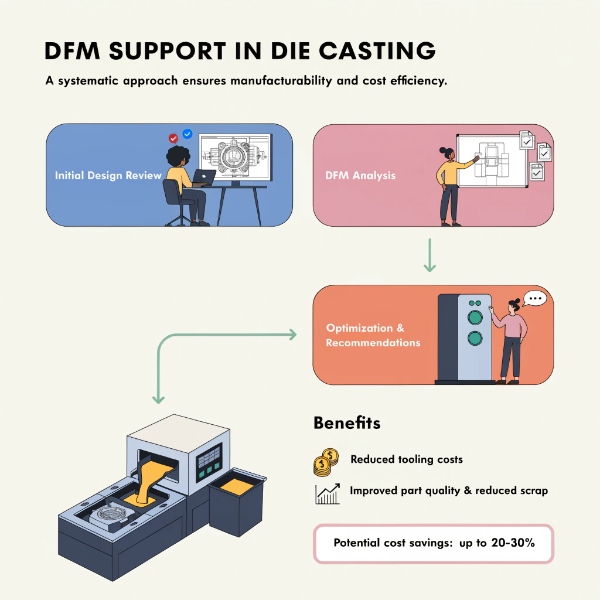
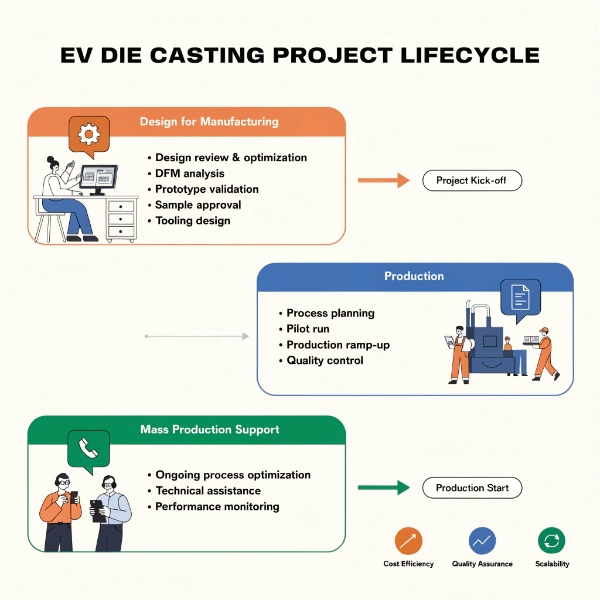
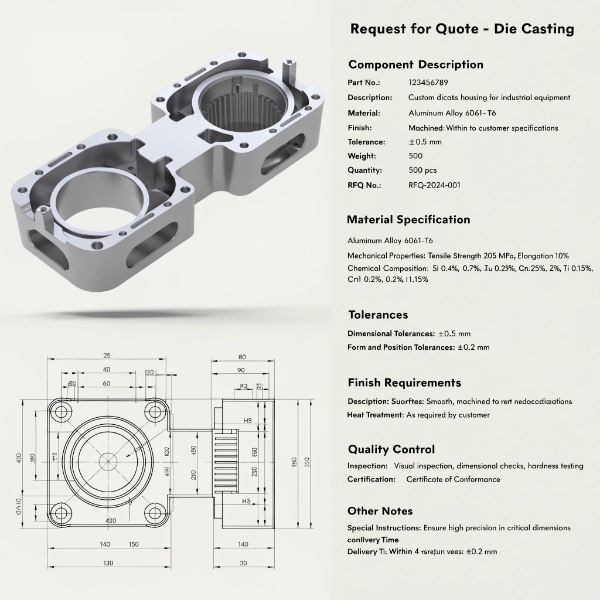
Are you facing the intricate challenge of designing die-casting molds for New Energy Vehicle (NEV) motor housings, a component critical for EV performance and reliability? Improper mold design can compromise everything from thermal management to structural integrity. Designing die-casting molds for New Energy Vehicle motor housings requires a holistic approach that integrates advanced DFM analysis, […]

What Products Are Suited to High-Pressure Die Casting?

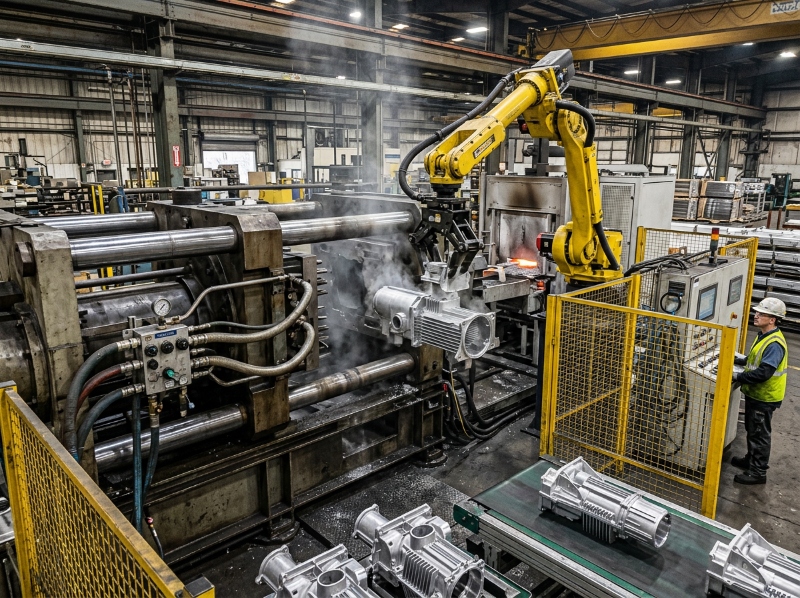
Are you wondering if High-Pressure Die Casting (HPDC) is the right manufacturing process for your next product, especially if you need complex, lightweight, or high-volume metal components? Choosing the optimal production method is critical for success. High-Pressure Die Casting is ideally suited for products requiring high volume production, intricate geometries, thin walls, excellent surface finish,

Why Are High-Pressure Die Casting Aluminum Alloys Transforming Electric Vehicles?

Are you wondering how electric vehicles (EVs) are achieving their impressive performance, range, and safety standards? The secret often lies in the materials and manufacturing processes used. High-Pressure Die Casting (HPDC) aluminum alloys are transforming electric vehicles by enabling the production of lighter, stronger, and more efficient components, which are crucial for extending battery range,

Top 5 Benefits of High-Pressure Die Casting for New Energy Vehicles

Are you exploring manufacturing solutions for New Energy Vehicles (NEVs) but unsure which process offers the most compelling advantages for performance, safety, and efficiency? Overlooking the benefits of High-Pressure Die Casting (HPDC) could put your NEV designs at a disadvantage. The top 5 benefits of High-Pressure Die Casting for NEVs are significant lightweighting for extended

electric vehicle parts

Automotive Die Casting vs Forging: Which Is Better for OEMs?

Automotive Die Casting vs Forging: Which Is Better for OEMs? When engineering automotive components for high-volume production, the choice of manufacturing process dictates not only the mechanical limits of the part but also the economic viability of the entire vehicle platform. For decades, the debate between automotive die casting1 and forging has been a strict

5 Hidden Design Failures in EV Motor Housing (Most Engineers Miss)

A CAD model of an EV motor housing always looks flawless on a screen. The cooling channels are perfectly symmetrical, the walls are uniformly thin, and the O-ring grooves are sharply defined. But when that 3D model hits the foundry floor and molten aluminum is injected at 5 meters per second, the reality of physics