

Specifying the wrong metal in an inverter can cause poor electrical performance, overheating, and total failure. This can destroy expensive electronics and lead to critical system breakdowns in applications like electric vehicles.
Inverters use a combination of metals, primarily copper for its high electrical conductivity in busbars and windings, and aluminum for lightweight, thermally conductive housings and heat sinks. Steel provides structural strength, while trace amounts of silver may be used on critical electrical contacts.
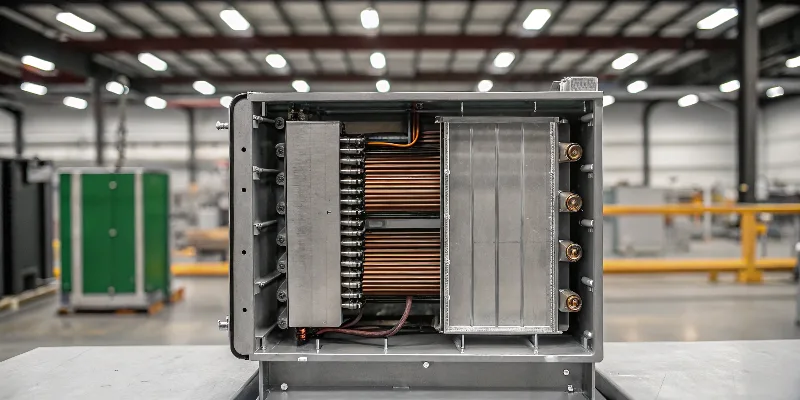
From my perspective as a die casting1 engineer, an inverter is a perfect example of a system where different materials must work together. It’s not a single component but a sophisticated assembly. The inside is all about moving electricity with minimal loss, which is copper2‘s territory. The outside is about protecting the electronics and getting rid of the intense heat that is generated, which is where aluminum3 excels. Every metal has a specific job to do, and the final performance of the inverter depends on making the right choice for each part. Let’s break down the roles these key metals play.
Why Is Copper the Primary Metal in Inverter Manufacturing?
Your inverter is not performing efficiently and is generating too much heat. This energy loss reduces the system’s overall performance and can lead to thermal throttling or a shortened component lifespan.
Copper is the primary metal for conducting electricity in an inverter due to its superior electrical conductivity, second only to silver. It is used for windings, busbars, and circuit board traces to minimize electrical resistance, which in turn reduces energy loss and heat generation.
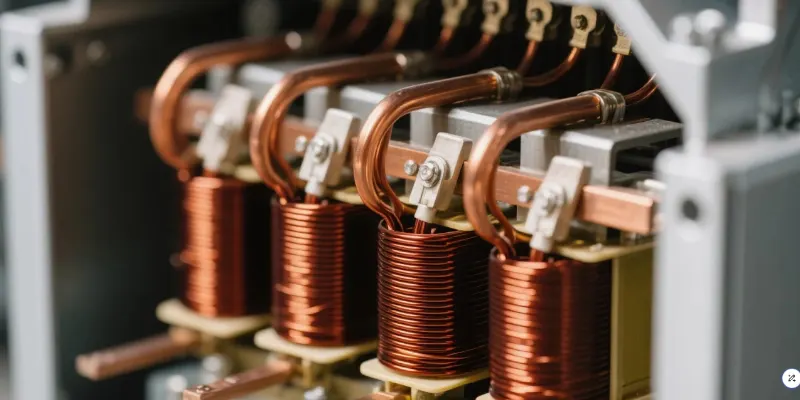
Everything in an inverter starts with moving current, and for that, nothing beats copper. The fundamental reason is its low electrical resistance4. According to the formula for resistive heating ($P = I^2R$), the power lost as heat increases with the square of the current (I) and is directly proportional to the resistance (R). By using high-purity copper5, we make the "R" value as low as possible. This directly translates to higher efficiency because less electrical energy is wasted as heat. I was once involved in a root cause analysis for an inverter that was failing under high loads. The issue was traced to a single copper busbar that was slightly undersized for the peak current it had to carry. This small oversight created a hot spot that eventually caused the connection to degrade. It was a powerful lesson in how critical every conductive path is and why copper remains the undisputed king for this application.
How Do Aluminum Components Improve Inverter Efficiency?
Your inverter design is getting too heavy and the heat sinks are bulky. This is a major problem for weight-sensitive applications like electric vehicles, where every kilogram impacts range and performance.
Aluminum improves inverter efficiency by providing a lightweight structure and superior heat dissipation. Die-cast aluminum housings and heat sinks have excellent thermal conductivity, allowing them to effectively cool the power electronics, while being significantly lighter than steel or copper.
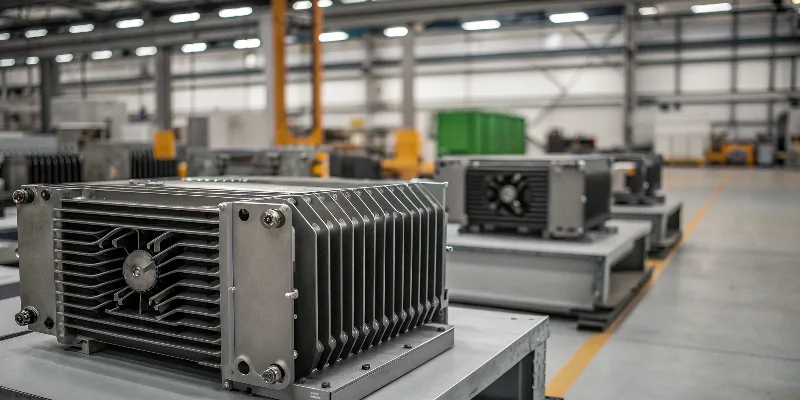
This is where my team and I spend most of our time. While copper handles the electricity, aluminum manages the physical and thermal reality of the inverter. For an EV, the inverter can’t be a thousand-pound anchor. We use aluminum alloys to create strong but lightweight enclosures that protect the sensitive electronics inside. More importantly, we use aluminum’s excellent thermal properties to get rid of heat. I worked on designing a liquid-cooled inverter housing for a high-performance EV. Using die casting, we were able to integrate complex cooling channels directly into the housing walls, right next to where the power modules6 (the main heat source) would be mounted. This design was far more effective at pulling heat away than a simple air-cooled heat sink, allowing the customer to run their inverter at a higher power level continuously. This shows how aluminum is not just a box, but an active part of the thermal management7 system.
What Role Do Steel and Iron Alloys Play in Inverter Structures?
Your inverter housing needs to be mounted securely in a high-vibration environment. The main housing is lightweight aluminum, but you need a robust solution for the mounting points and structural frame.
Steel and iron alloys are used in inverters for structural components like mounting brackets, frames, and protective enclosures. Their primary role is to provide high strength, rigidity, and durability, especially where the inverter needs to be securely fastened to a chassis.
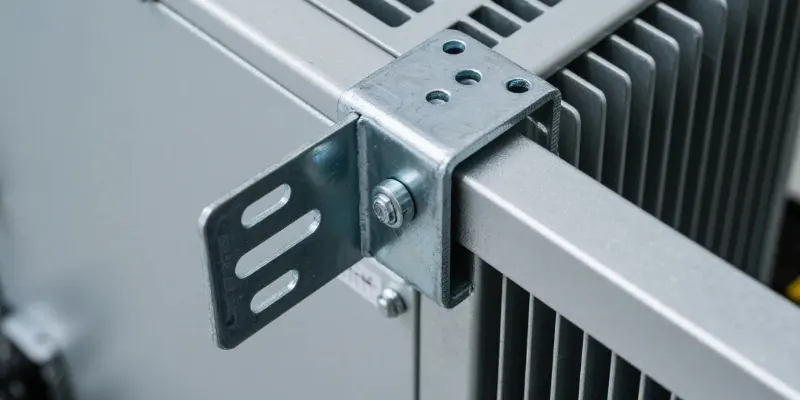
While aluminum is fantastic for the main housing, sometimes you just need the brute strength and stiffness of steel8. You will often find steel used for the mounting brackets9 that attach an inverter to a vehicle’s frame. Steel is much stiffer than aluminum and is better at handling the constant stress and vibration without fatiguing over time. It’s also very cost-effective for these types of simple, strong parts. In some large, stationary industrial inverters, the entire external cabinet might be made of formed sheet steel for maximum protection and security. The role of steel is less about the high-tech performance inside the inverter and more about the practical reality of making sure this critical piece of equipment stays securely in place and is protected from the outside world. It’s a perfect example of using the right material for the right job—strength where you need it, and lightweight performance elsewhere.
Can Rare Metals Like Silver Enhance Inverter Performance?
You are designing a high-reliability inverter where even the smallest amount of electrical resistance at connection points is unacceptable. Over time, oxidation10 on standard connectors could degrade performance and lead to failure.
Yes, rare metals like silver are used in trace amounts to enhance inverter performance. Silver has the highest electrical conductivity of any metal and is often used to plate critical electrical contacts, switchgear, and fuse elements to ensure the lowest possible contact resistance.
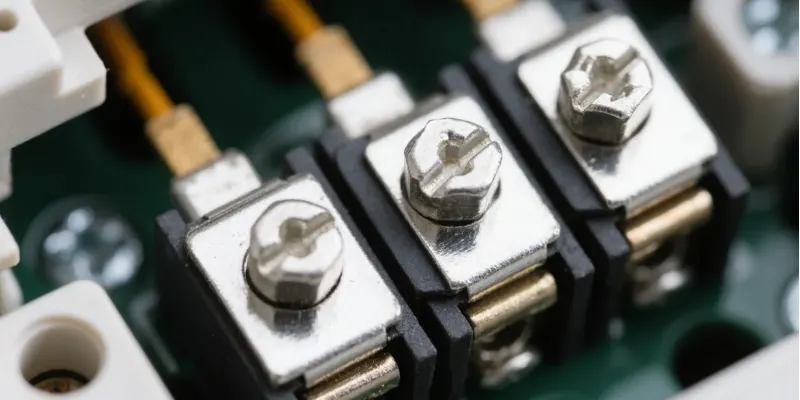
You won’t find solid silver11 busbars12 in an inverter—the cost would be astronomical. But where you will find it is in very thin layers on the most critical connection points. Even the best copper can develop a thin oxide layer over time, and that oxide layer increases electrical resistance. For a high-current switch or a fuse element, this extra resistance can generate heat and affect performance. By plating the contact surfaces with a thin layer of silver, engineers can prevent this oxidation and ensure a clean, highly conductive connection for the life of the product. It’s a micro-level detail that has a macro-level impact on the long-term reliability and efficiency of the inverter. It’s an investment in performance where it matters most, ensuring that every connection is as close to perfect as possible, even after thousands of operating hours.
How Does the Choice of Metal Affect Heat Dissipation in Inverters?
Your power electronics are overheating, forcing you to limit the inverter’s performance. You need a clear strategy for moving heat from the source to the outside air as efficiently as possible.
The choice of metal is critical for heat dissipation. Heat is generated by the copper conductors and power modules, and it must be efficiently transferred to the aluminum housing or heat sink. Aluminum’s high thermal conductivity makes it far superior to steel for this task.
Think of heat dissipation13 as a relay race. The heat generated by the power modules is the baton. First, it’s handed off to a thermal interface material14. Then, that material hands it off to the main heat sink or the inverter housing. The final leg of the race is dissipating that heat into the surrounding air or liquid coolant. For this race, you want the fastest runners possible. Aluminum is an Olympic sprinter when it comes to moving heat. Steel, by comparison, is a slow jogger. This is why virtually all modern high-performance inverter housings and heat sinks are made of aluminum. It can absorb heat quickly from the electronics and, thanks to its design flexibility in casting, can have a large surface area (like fins) to release that heat quickly. A well-designed thermal path using aluminum is what allows the inverter to run at its peak power without destroying itself.
Thermal Conductivity of Key Metals
| Metal | Thermal Conductivity (W/mK) | Role in Inverter |
|---|---|---|
| Copper | ~400 | Generates heat (as a conductor) |
| Aluminum | ~200 | Dissipates heat |
| Steel | ~50 | Contains heat (poor dissipator) |
What Future Material Trends Are Shaping Inverter Design?
You are planning your company’s product roadmap for the next five years. You need to understand how material science will allow for smaller, lighter, and more powerful inverters to stay competitive.
As of late 2025, the key trend is increasing power density. This is driving demand for advanced aluminum alloys with even better thermal conductivity, the adoption of liquid-cooled die-cast housings, and innovative designs that integrate cooling channels and busbars more closely together.
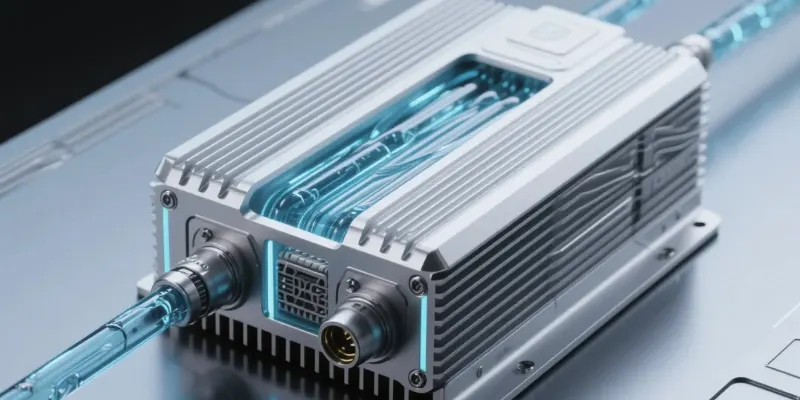
The future of inverters is all about packing more power into a smaller, lighter box. This creates an intense thermal challenge: more heat in less space. As a result, the innovation in materials is heavily focused on thermal management. We are working with new aluminum alloys that offer higher strength at elevated temperatures and improved thermal conductivity15. The biggest shift, however, is in design and manufacturing. Simple, air-cooled heat sinks are reaching their limits. The future is liquid cooling16, and the most efficient way to achieve that is by die casting the cooling channels directly into the inverter housing. This eliminates thermal barriers and pulls heat away right from the source. We are also exploring concepts like "power modules on-casting," where the electronics are mounted directly onto a thermally optimized casting. As efficiency and power demands continue to rise, advanced, multifunctional aluminum castings will become even more critical to inverter performance.
Conclusion
Inverters are a multi-metal system where copper, aluminum, and steel each play a vital role. Copper handles the electrical load, steel provides strength, and aluminum is essential for making the final product lightweight and cool.
Learn about die casting techniques that enhance the design and efficiency of inverter housings. ↩
Explore how copper’s superior conductivity enhances inverter efficiency and performance. ↩
Learn about aluminum’s lightweight properties and thermal conductivity that boost inverter performance. ↩
Understand the effects of electrical resistance on energy loss and heat generation in inverters. ↩
Learn about the advantages of high-purity copper in reducing electrical resistance. ↩
Explore the role of power modules in generating and managing heat within inverters. ↩
Explore effective thermal management strategies to enhance inverter reliability and efficiency. ↩
Discover how steel provides structural strength and durability in inverter designs. ↩
Understand how mounting brackets contribute to the stability and durability of inverters. ↩
Understand the impact of oxidation on performance and how to mitigate its effects. ↩
Find out how silver plating reduces resistance and improves reliability in critical connections. ↩
Learn about the function of busbars in conducting electricity efficiently within inverters. ↩
Explore strategies for effective heat management in inverters to maintain optimal performance. ↩
Learn about the importance of thermal interface materials in enhancing heat transfer. ↩
Understand the importance of thermal conductivity in selecting materials for efficient heat dissipation. ↩
Discover how liquid cooling systems improve thermal management in high-performance inverters. ↩


