

Producing eco-friendly cars with unsustainable methods doesn’t make sense. Heavy materials and wasteful manufacturing processes undermine the very promise of electric vehicles, creating a hidden environmental cost for every car built.
Aluminum die casting makes EV production sustainable by enabling lightweighting for better energy efficiency, utilizing highly recyclable material in a closed-loop system, and consolidating multiple components into a single part to drastically reduce material waste and energy consumption during assembly.
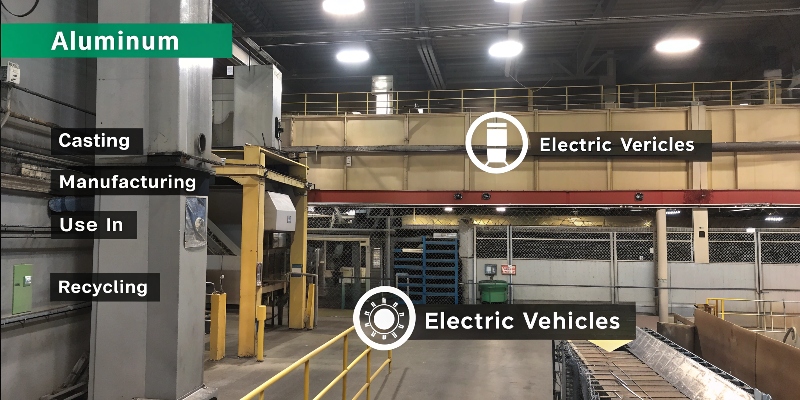
In my two decades working with aluminum, I’ve seen the industry’s focus shift dramatically. It’s no longer just about performance and cost. Now, every conversation I have with my Tier 1 customers from Europe and North America includes a serious discussion about sustainability. They face immense pressure to reduce their carbon footprint1, and they look to their suppliers for solutions. I’m proud that my work in aluminum die casting is no longer just about making a stronger or more complex part; it’s about making a better, greener vehicle. Let’s look at exactly how our process contributes to this critical goal.
How Does Lightweighting with Die Casting Improve EV Range?
EV range anxiety is a major concern for consumers. Every extra kilogram of vehicle weight drains the battery faster, directly reducing how far the car can travel on a single charge.
Die-cast aluminum parts replace much heavier steel components. This significant weight reduction means the motor uses less energy to move the car. The direct result is extended battery range and improved overall energy efficiency, a key metric for any EV.
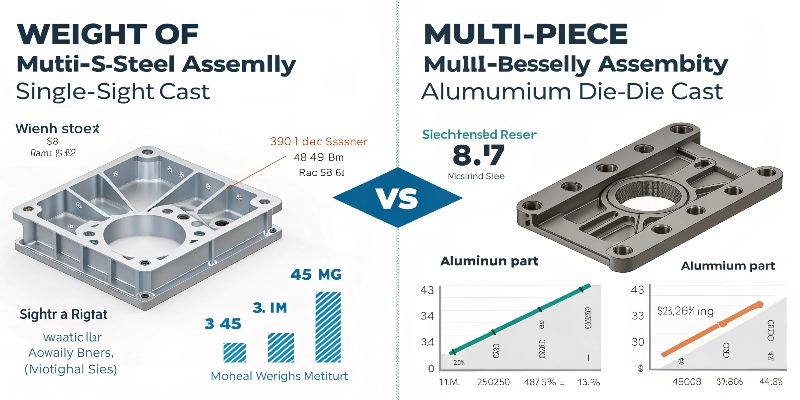
This is the most direct and powerful contribution we make. For an electric vehicle, mass is the enemy of range. The physics are simple: a lighter car requires less energy to accelerate and maintain speed. This is where die casting excels. We can produce large, complex structural parts2 like shock towers, subframes, and battery enclosures that are 30-40% lighter than their stamped steel equivalents. This initial weight saving creates a ripple effect known as "mass compounding." A lighter body allows for a slightly smaller battery to achieve the same range, which in turn means lighter suspension and brakes are needed. It all adds up. I often discuss weight targets with my customers; it’s one of the first specifications we review. A few kilograms saved on a housing can translate to several extra kilometers of range, a benefit every EV driver can appreciate.
| Component | Traditional Steel Weight | Die-Cast Aluminum Weight | Weight Savings |
|---|---|---|---|
| Shock Tower | ~12 kg | ~7 kg | ~42% |
| Subframe | ~25 kg | ~16 kg | ~36% |
| Battery Housing | ~90 kg | ~60 kg | ~33% |
Is the Aluminum We Use Truly Recyclable?
Modern manufacturing generates a lot of scrap material. If this scrap ends up in a landfill, it represents a massive waste of resources and the energy used to produce it in the first place.
Yes, aluminum is one of the most sustainable materials because it is infinitely recyclable without losing its structural properties. Recycling aluminum uses only about 5% of the energy required to create new, primary aluminum from bauxite ore.
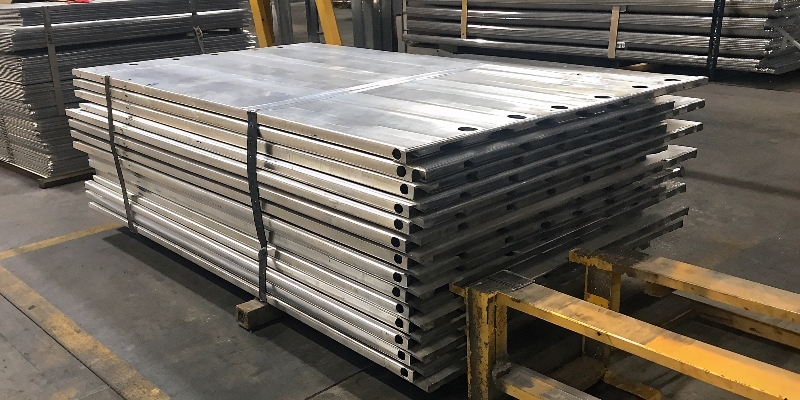
When I walk through our casting facility, I see sustainability in action. The die casting process naturally creates scrap material—things like the runners that feed metal into the mold, overflows that ensure quality, and the "biscuit" of leftover metal from the shot chamber. None of this is waste. We operate a "closed-loop" recycling system right on our factory floor. All of this clean scrap is collected, immediately re-melted in our holding furnaces, and mixed back into the molten aluminum to be used for the next part. This is incredibly efficient. It dramatically reduces our need for new aluminum ingots and slashes our energy consumption. The energy saved by recycling one aluminum can is enough to power a TV for three hours. Now imagine recycling tons of production scrap every single day. This closed-loop process is a cornerstone of sustainable manufacturing and significantly lowers the carbon footprint of every part we produce.
Does the Die Casting Process Itself Have a Low Carbon Footprint?
An energy-intensive manufacturing process can offset the benefits of using a lightweight material. You need a process that is both fast and efficient to be truly sustainable.
Yes, high-pressure die casting is an extremely efficient process. It can produce a complex, net-shape part in less than 90 seconds, consuming far less energy per part than multi-step processes like stamping, welding, and machining that a steel assembly would require.
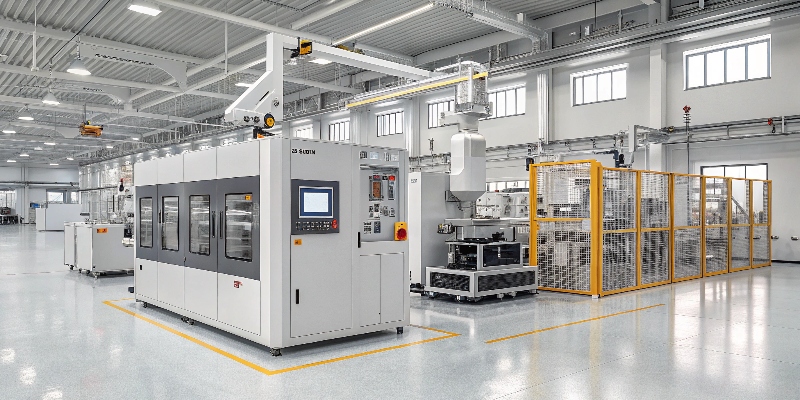
Speed is efficiency, and efficiency is sustainable. Consider a traditional automotive assembly made from 15 different stamped steel pieces. That requires 15 different stamping tools, 15 press operations, and then a complex robotic welding line to join them all together. The energy consumption is huge. In contrast, high-pressure die casting3 creates a single, integrated part in one shot. Our modern die casting machines are highly automated and optimized for energy efficiency. We can take molten aluminum and turn it into a complex EV motor housing in under two minutes, with minimal human intervention. This speed and a high degree of automation mean the energy consumed per part is remarkably low. Over my career, I’ve seen the machines evolve to use electric servo pumps instead of less efficient hydraulics, further reducing energy use. When you combine this process efficiency with the recyclability of aluminum, the overall carbon footprint1 is very compelling.
How Does Part Integration Reduce Material Waste?
Complex products are often made from dozens of smaller components bolted or welded together. This approach creates waste through fasteners, overlapping material, and inefficient use of raw stock.
Die casting excels at part consolidation. We can design a single, intricate casting that replaces an assembly of 10, 20, or even 70 individual parts. This eliminates the need for fasteners and connecting materials, drastically reducing overall material usage and assembly complexity.
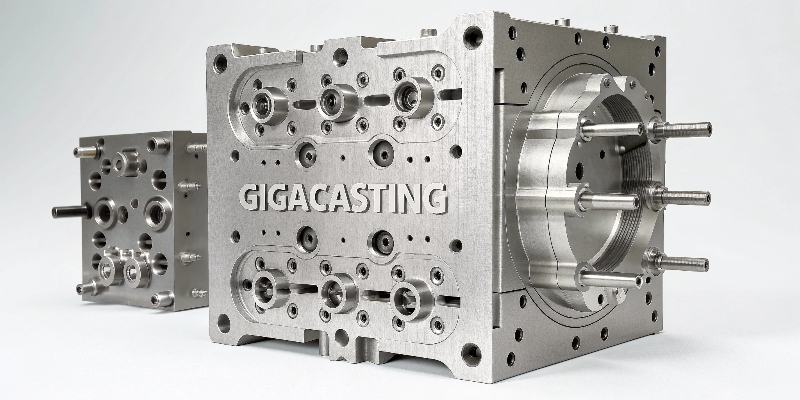
This is one of the most exciting developments in die casting, especially for EVs. We call it "part consolidation" or "gigacasting." Instead of building a car’s rear underbody from 70 different pieces of stamped steel, automakers can now cast it as one single piece of aluminum. I’ve been involved in the development of similarly complex structural parts, and the benefits are enormous. From a sustainability perspective, it’s a huge win. You eliminate all the material waste associated with stamping sheet metal, and you get rid of hundreds of bolts, rivets, and adhesives. The assembly process is simplified from a multi-stage welding ballet to simply installing one component. This directly translates to less energy used, less raw material consumed, and a lighter, stronger final structure. It’s a prime example of how designing for manufacturability can lead to incredible sustainability gains.
Does Die Casting Help an EV Comply with Green Regulations?
Automakers face strict global standards and green regulations regarding vehicle emissions, recyclability, and end-of-life disposal. The materials and processes they choose must support these environmental targets.
Yes, using die-cast aluminum directly supports compliance with major environmental regulations. It addresses end-of-life vehicle (ELV) directives that mandate high recycling rates and helps meet CO2 emissions targets by enabling significant vehicle lightweighting.
The purchasing directors and quality engineers I work with are all under pressure to meet standards like the European Union’s End-of-Life Vehicle (ELV) Directive. This regulation mandates that a high percentage of a vehicle’s materials by weight must be reusable or recyclable. Because aluminum is so easily and effectively recycled, using it for large components like motor housings, battery enclosures, and structural parts makes hitting these targets much easier. Furthermore, regulations around the world are pushing for lower fleet-wide CO2 emissions. For EVs, the equivalent is higher energy efficiency (lower kWh/100km). By enabling vehicle lightweighting, die casting directly contributes to meeting these efficiency targets. When my team and I provide a customer with a full PPAP package, the material’s recyclability and lightweighting potential are key selling points that help them justify their design choices to regulatory bodies.
Conclusion
Aluminum die casting is a foundational technology for sustainable EV manufacturing. It delivers lighter parts for greater range, embraces a circular economy through recycling, and minimizes waste through efficient, integrated design.


