
Author name: Stan

Reliable Aluminum Die Casting Automotive Parts Supplier for Global OEMs

In the rapidly evolving automotive landscape, particularly with the surge of New Energy Vehicles (NEVs), selecting the right aluminum die casting automotive parts supplier is a strategic decision that impacts vehicle performance, safety, and time-to-market. As manufacturers push for lightweighting (lightweight construction) to increase EV range and reduce emissions, the demand for high-precision, high-strength aluminum

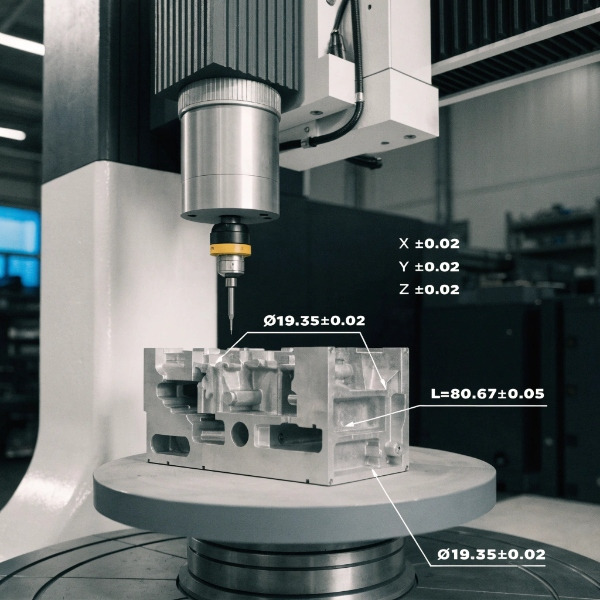
Case Study: Manufacturing High-Integrity PDU Housings for Commercial Vehicles (Al Alloy 43400)

In the commercial vehicle sector, power distribution units (PDUs) are the nervous system of heavy-duty electrification. They require housing that offers exceptional electromagnetic shielding, thermal dissipation, and structural durability against constant road vibration. At EMP Casting, we recently optimized a high-volume production line for a Tier 1 commercial vehicle client. By leveraging 1,000T High-Pressure Die

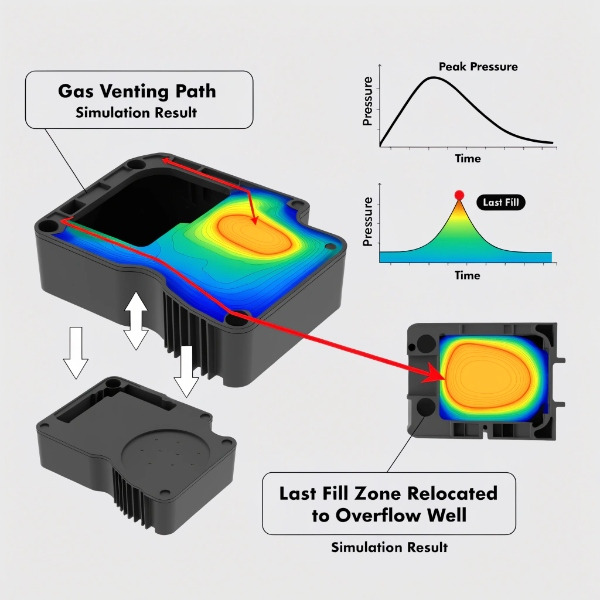
Vacuum High-Pressure Die Casting: The Ultimate Solution to Reduce Porosity in Automotive Aluminum Parts

In the competitive world of automotive manufacturing, component integrity is non-negotiable. As vehicles move toward lightweight designs to improve fuel efficiency and EV range, the demand for automotive aluminum parts has surged. However, one persistent challenge remains in the manufacturing process: porosity. For engineers and procurement managers, finding a way to reduce porosity is critical

Mastering Part Design for Die Casting: Drafts, Fillets, and Wall Thickness

Meta Description: essential guide to part design for die casting. Learn expert guidelines on draft angles, fillets, and uniform wall thickness for high-quality automotive aluminum parts. In the competitive world of automotive aluminum die casting, the difference between a high-performance component and a failed production run often lies in the design phase. Design for Manufacturing

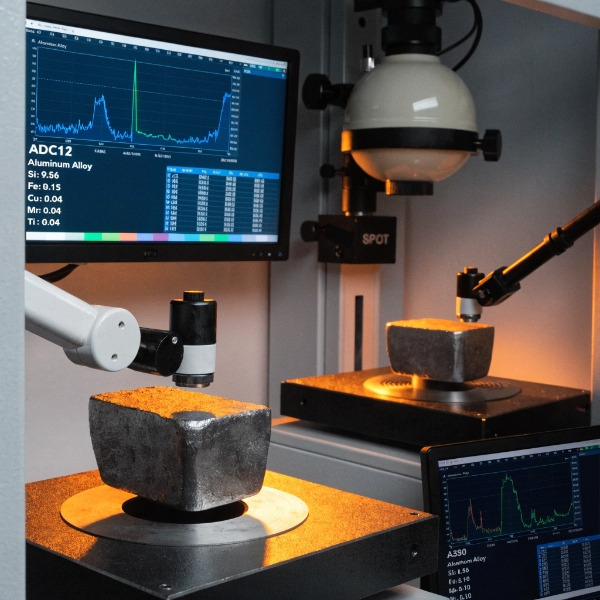
Maximizing Performance: Best Aluminum Alloys (Al-Si) for Thin-Wall Automotive Parts

In the modern automotive industry, the race for lightweighting is relentless. As manufacturers shift toward Electric Vehicles (EVs) and higher fuel efficiency standards for ICE vehicles, reducing component weight is no longer optional—it is a necessity. One of the most effective strategies for weight reduction is thin-wall die casting. However, casting ultra-thin geometries requires specific