

When we talk about battery systems, the conversation often centers on chemistry—lithium-ion, solid-state, and the race for higher energy density1. While critically important, this overlooks the equally vital physical systems that protect, manage, and enable these batteries to function safely and efficiently. As an engineer specializing in die-cast components for new energy vehicles, I’ve seen how the performance of a cutting-edge battery pack2 is inseparable from the quality of its enclosure.
For procurement directors and supplier quality engineers, understanding the entire battery ecosystem—not just the cells—is key to sourcing reliable, durable, and cost-effective solutions. This article provides a technical overview of modern battery systems, with a practical focus on the structural and thermal management3 components that are my area of expertise.
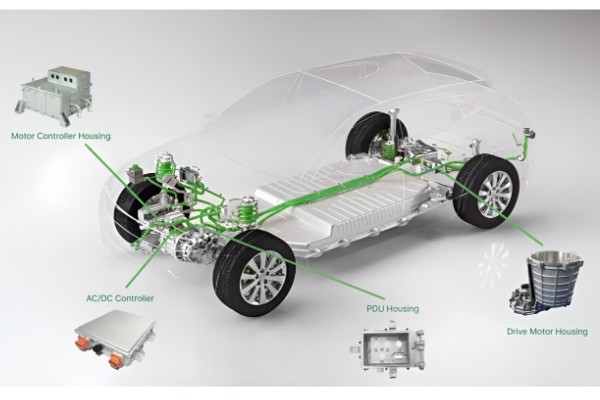
The Core Components of a Battery Energy Storage System (BESS)
A Battery Energy Storage System (BESS)4 is more than just a collection of cells. It’s a sophisticated integration of hardware and software designed for optimal performance, safety, and longevity. The quality of the housings for these components is paramount for protection, thermal control, and electromagnetic interference (EMI) shielding5.
| Component | Primary Function | Key Enclosure Requirements |
|---|---|---|
| Battery Modules/Pack | Stores electrical energy in electrochemical cells. | Structural rigidity, crash protection, thermal conductivity, high airtightness (IP rating), corrosion resistance. |
| Battery Management System (BMS) | The "brain" that monitors and controls the state of the battery (voltage, temperature, state of charge). | EMI shielding, protection from vibration and moisture, precise mounting points. |
| Power Conversion System (PCS) / Inverter | Converts DC power from the battery to AC power for use, and vice versa for charging. | High thermal conductivity for heat dissipation, structural support, protection from elements. |
The Role of the Battery: From Cells to Racks
The fundamental unit of any battery is the cell. These cells are assembled into modules, which are then configured into a complete battery pack or rack. This modular design serves several purposes:
- Scalability: Allows for easy scaling of voltage and capacity for different applications.
- Safety: Helps contain potential failures (like thermal runaway) to a single module.
- Serviceability: Enables easier replacement of faulty modules rather than the entire pack.
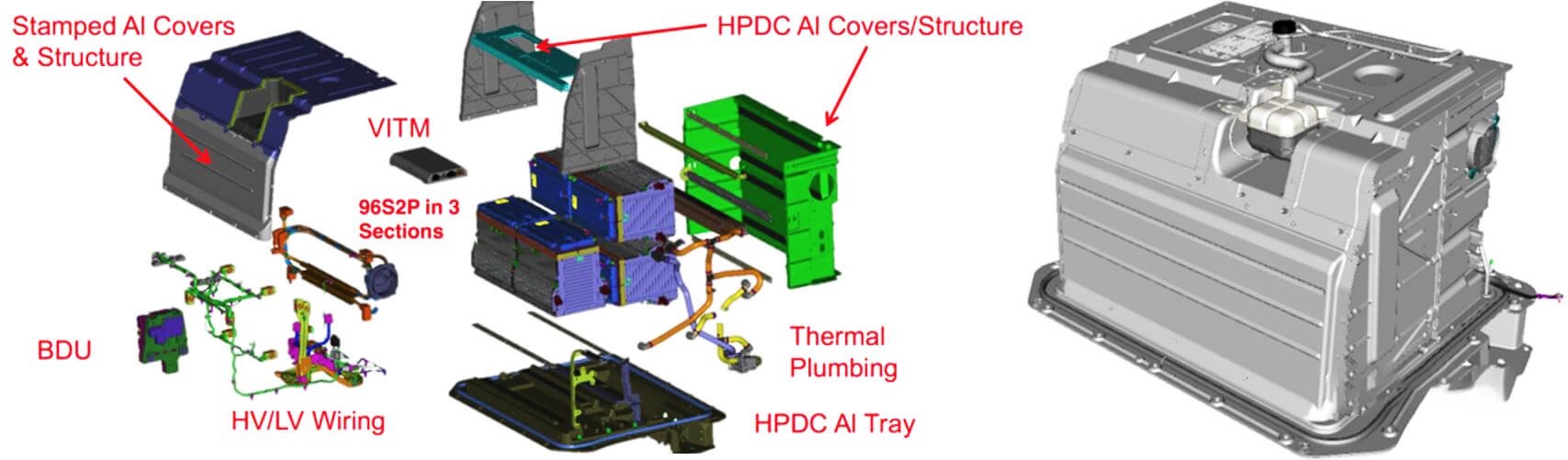
The battery pack’s enclosure is its first line of defense. It must be structurally robust to protect cells from mechanical shock and vibration, while also playing a critical role in the system’s thermal management. For EV applications, this enclosure often uses die-cast aluminum6 alloys to achieve a high strength-to-weight ratio and integrate liquid cooling channels7 directly into its structure.
Understanding the Battery Management System (BMS)
The BMS is a sophisticated electronic circuit that acts as the guardian of the battery. It continuously monitors key parameters like cell voltage, temperature, and current flow. Its functions are critical for:
- Safety: Preventing overcharging, over-discharging, and overheating conditions.
- Performance: Balancing cells to ensure they charge and discharge evenly, maximizing usable capacity.
- Longevity: Optimizing operating conditions to extend the battery’s service life.
The BMS itself is sensitive and must be protected. Its housing, often a smaller die-cast aluminum box, shields it from electromagnetic interference (EMI), moisture, and vibration, ensuring its measurements remain accurate and reliable.
Power Conversion Systems (PCS) and Inverters
The PCS, or inverter, is the gateway between the battery’s DC power and the AC power used by the grid, homes, or an EV’s motor. This conversion process is not 100% efficient and generates significant heat.
Just like an On-Board Charger (OBC) or motor controller housing in an EV, the PCS housing must be an excellent heat conductor. High-pressure die casting is often the preferred manufacturing method, as it allows for the creation of complex cooling fin geometries and provides a thermally conductive and protective shell for the power electronics inside.
Major Types of Battery Technologies
Different applications call for different battery chemistries, each with unique implications for the design of its housing and management systems.
Lithium-Ion (Li-ion) Batteries: The Industry Standard
Dominant in EVs and consumer electronics, Li-ion batteries offer high energy density8 and a long cycle life. However, they are sensitive to temperature extremes. This places a heavy demand on the thermal management system, making integrated liquid cooling channels within the battery enclosure a standard feature in high-performance applications like electric vehicles.
Lead-Acid Batteries: A Traditional and Affordable Option
As a mature and low-cost technology, lead-acid batteries9 are still used in some uninterruptible power supply (UPS) systems and industrial vehicles. They are heavy and have a lower energy density1, making them unsuitable for most modern EVs where lightweighting is a primary goal.
Flow Batteries: Scalability for Long-Duration Storage
Flow batteries store energy in external liquid electrolyte tanks. They are highly scalable, making them ideal for large, grid-scale storage applications. The "stack" where the energy conversion occurs requires precise fluid management and robust, chemically resistant structural components.
Emerging Technologies: Sodium-Ion and Solid-State
- Sodium-Ion: A promising alternative to lithium-ion, using abundant and inexpensive sodium. Its thermal properties and operating characteristics will dictate new requirements for enclosure and BMS design.
- Solid-State: The "holy grail" of battery tech, promising higher energy density and improved safety by replacing the liquid electrolyte with a solid. While potentially reducing the need for complex cooling, they will still require extremely robust and hermetically sealed enclosures to protect the sensitive solid electrolyte from moisture and contamination.
Applications of Battery Systems
Solar Energy Storage for Homes and Businesses
For residential and commercial solar installations, battery systems (often using Li-ion technology) store excess energy generated during the day for use at night. The BESS enclosures for these applications must be durable, weather-resistant, and aesthetically pleasing, often featuring sleek designs made from aluminum or coated steel.
Utility-Scale Grid Storage
Massive BESS installations are essential for stabilizing the power grid, managing peak demand, and integrating renewable energy sources. These systems, often housed in large containers, rely on modular racks and advanced thermal management (HVAC systems) to ensure the reliability of thousands of battery modules operating in unison.
Battery Systems for Electric Vehicles
This is the most demanding application for battery systems. An EV battery pack must be:
- Lightweight: To maximize vehicle range. This is why aluminum alloys are the material of choice for enclosures.
- Structurally Sound: The pack is often a structural component of the vehicle’s chassis and must withstand immense forces in a crash.
- Perfectly Sealed: An IP67 rating or higher is required to protect against water and dust ingress. This demands precision manufacturing and sealing, sometimes using impregnation for die-cast parts to seal microporosity.
- Thermally Managed: The ability to rapidly shed heat during fast charging and high-power output is critical for performance and safety. Integrated cooling channels in a die-cast enclosure are the most effective solution.
As a supplier, meeting the automotive industry’s stringent IATF 1694910 quality standards for these components is non-negotiable.
Conclusion: The Enclosure Is as Critical as the Cell
While battery chemistry will continue to evolve, the fundamental need for robust, lightweight, and thermally efficient mechanical systems will remain constant. The enclosure is not a passive box; it is an active and critical component that directly impacts the safety, performance, and lifespan of the entire battery system.
For procurement and quality leaders in the automotive and industrial sectors, selecting a manufacturing partner with proven expertise in high-performance die casting is crucial. A partner who understands DFM analysis, mold flow simulation, and the nuances of creating leak-proof, structurally sound aluminum components can de-risk your project and accelerate your time to market.
If you are developing a new energy project and require world-class expertise in die-cast enclosures for batteries, inverters, or motor controllers, my team and I are ready to assist. Contact us at [email protected] to start the conversation.
Explore the concept of energy density and its impact on battery performance and applications. ↩ ↩
Explore the structure and function of battery packs in energy storage systems. ↩
Learn about effective thermal management strategies that enhance battery performance and safety. ↩
Explore this link to understand the complexities and benefits of BESS in modern energy solutions. ↩
Understand the importance of EMI shielding in protecting sensitive battery components. ↩
Find out why die-cast aluminum is preferred for battery enclosures due to its strength and lightweight properties. ↩
Explore the benefits of integrating liquid cooling channels in battery enclosures for optimal thermal management. ↩
Learn why high energy density is crucial for the performance of modern battery technologies. ↩
Understand the pros and cons of lead-acid batteries in various applications. ↩
Understand the importance of IATF 16949 standards in ensuring quality in automotive components. ↩


