Which Metal Is Used in an Inverter?

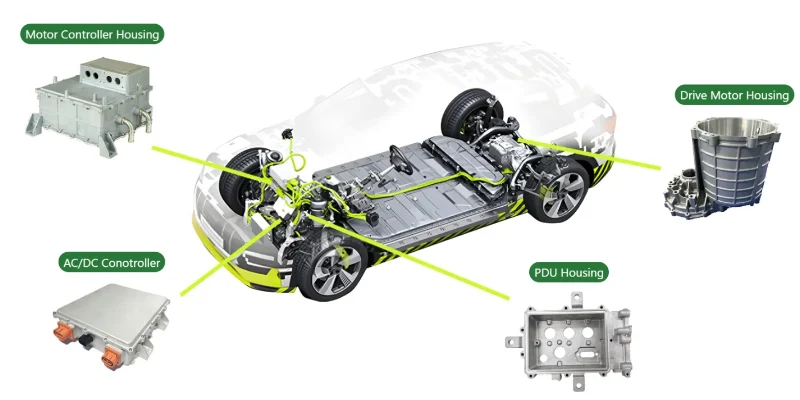
Specifying the wrong metal in an inverter can cause poor electrical performance, overheating, and total failure. This can destroy expensive electronics and lead to critical system breakdowns in applications like electric vehicles. Inverters use a combination of metals, primarily copper for its high electrical conductivity in busbars and windings, and aluminum for lightweight, thermally conductive […]

What Is the Housing Material of Electric Motors?

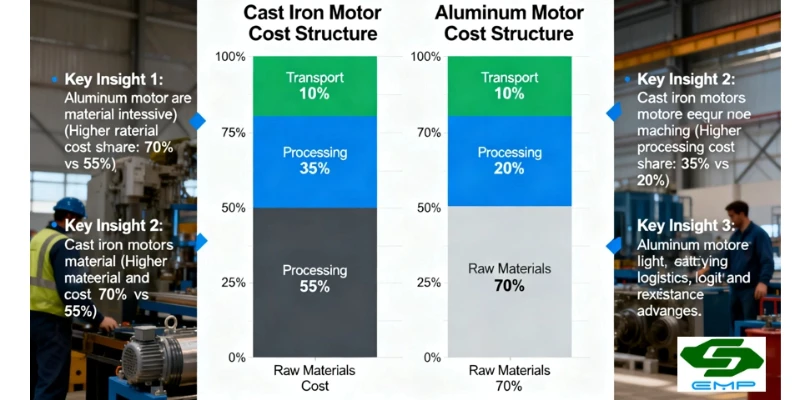
Choosing the wrong material for a motor housing1 can lead to overheating, vibration, or excessive weight. These issues can cause premature motor failure, reduce overall efficiency, and lead to costly field problems. Electric motor housings are most commonly made from aluminum alloys, cast iron, and steel. Aluminum is favored for its light weight and excellent

How Do You Choose the Right Aluminum for an Electric Motor Housing?

Choosing the wrong aluminum alloy for an EV motor housing can lead to overheating, poor performance, and eventual failure. This compromises the entire powertrain, reduces vehicle range, and risks costly breakdowns. The best aluminum for a motor housing must balance three key criteria: high thermal conductivity to dissipate heat, excellent mechanical strength to handle operational

How Do You Address Internal Defects in Aluminum Alloy Die Castings?

Are hidden defects like porosity and shrinkage ruining your expensive castings? These invisible flaws lead to failures, high scrap rates, and frustrating project delays that hurt your bottom line. To fix internal defects, you must use a complete and integrated approach. This involves optimizing casting parameters, improving mold design, using high-quality alloys, and employing advanced

Is Die Casting Aluminum Stronger Than Pure Aluminum?

You need a strong, lightweight metal for your automotive parts, but the terminology is confusing. You hear about "aluminum" and "die-cast aluminum" and wonder if there is a real difference. Yes, die-cast aluminum is significantly stronger than pure aluminum. Die-cast parts are made from specific aluminum alloys, which are mixtures of aluminum and other elements

What Are the Capabilities of Die Casting?

Choosing the wrong manufacturing process limits your design and can lead to costly, unreliable parts. This compromises performance and causes major production delays that put your entire project at risk. Die casting is capable of producing intricate, near-net-shape parts with high dimensional accuracy and excellent repeatability. Its key capabilities include forming complex geometries with thin