

Are you unboxing your precision aluminum parts only to find them covered in ugly white spots? This "mold" ruins the appearance and can cause costly rejections from your customers.
Treat this "mold"—which is actually aluminum corrosion—by cleaning with a neutral pH solution and drying the parts completely. The best long-term solution is prevention through proper storage, packaging, and protective surface treatments.
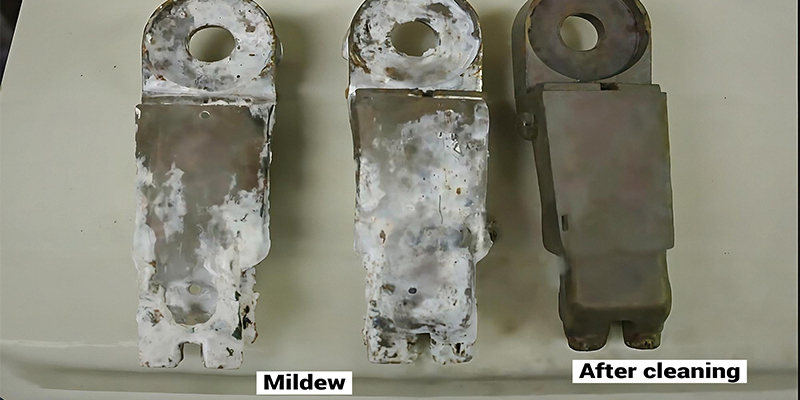
I’ve spent my entire career in this industry, and this is a problem I see all the time, especially with parts being shipped across oceans. A procurement director from a German Tier 1 supplier once called me in a panic. An entire container of motor housings had arrived at their plant covered in this white powder. The parts were perfect when they left our factory. The problem was condensation during transit combined with standard cardboard packaging. We had to develop a whole new packaging protocol1 using VCI bags2 and desiccants3. This experience taught me that preventing corrosion is just as important as the casting process itself.
What is the "mold" on the surface of die-cast parts?
Are you confused by the white, fuzzy growth on your aluminum parts? This cosmetic issue can quickly become a serious functional problem if it is not understood and addressed correctly.
The "mold" on aluminum parts is not a biological growth like you would find on food. It is aluminum oxide, a form of corrosion caused by a chemical reaction between the metal and its environment.
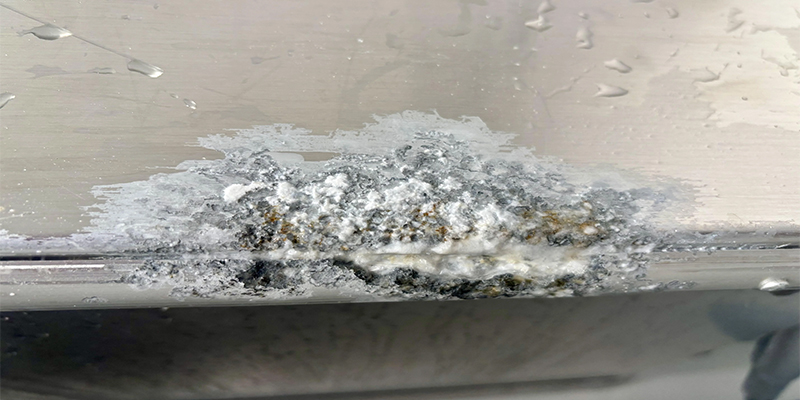
When I was starting out, a senior engineer told me, "Aluminum doesn’t rust, but it does corrode." That is a key difference. Rust is iron oxide, but aluminum forms aluminum oxide4. In pure, dry air, this oxide layer is actually a good thing—it’s very thin, stable, and protects the metal underneath. The problem starts when moisture is involved. The white powder you see is a hydrated form of this oxide.
Differentiating Surface Issues
It is important not to confuse this corrosion with other common die casting defects.
| Defect | Appearance | Root Cause |
|---|---|---|
| "Mold" (Corrosion) | White, powdery spots or patches | Environmental (moisture, contaminants) |
| Blisters | Raised "bubbles" on the surface | Process (trapped gas during casting) |
| Cold Flow / Misrun | Wavy lines or incomplete fill | Process (low metal/mold temperature) |
| Soldering | Areas where aluminum sticks to the die | Process (high temperature, worn die) |
Understanding that "mold" is a post-casting environmental issue is the first step to solving it.
What causes mold to form on aluminum alloy parts?
Are perfect parts leaving your workshop only to arrive at the customer covered in white spots? You must find the root cause, or this problem will keep destroying your profits.
The primary causes are moisture and contaminants. This includes high humidity, trapped water from cleaning, salts from handling with bare hands, and residues from cutting fluids. These elements create the perfect conditions for corrosion.
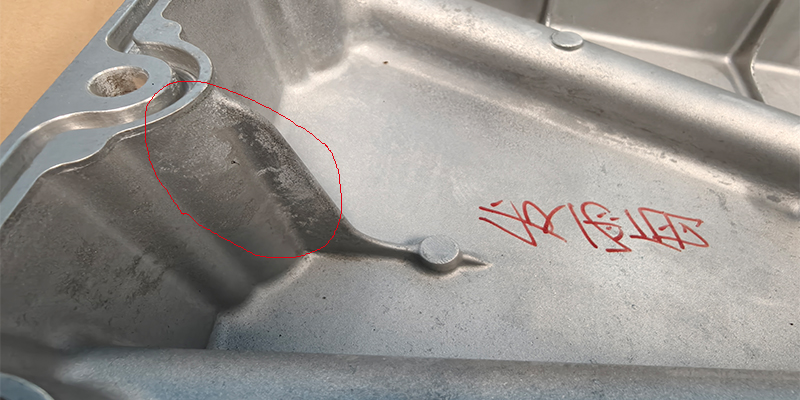
Corrosion is a simple chemical reaction that needs two main ingredients: an electrolyte (usually water) and a catalyst (often a contaminant like salt). Your job is to keep these two things away from your aluminum parts5 after they are made.
- Moisture: This is the biggest enemy. High humidity in the air is often enough to start the process. Condensation is even worse. This happens when parts move from a warm area to a cold one, like being loaded from a factory into a cold shipping container. Any trapped water from a washing process is just as bad.
- Contaminants: The salts and oils on human skin are surprisingly corrosive. This is why we have a strict rule: "clean parts are handled with gloves only." Residues from machining coolants or cleaning agents, especially if they are alkaline or contain chlorides, are also major triggers.
- Improper Packaging: This is the cause I see most often. Standard cardboard boxes absorb moisture from the air and hold it against the parts. Wrapping parts tightly in plastic film can also trap condensation, creating a mini-greenhouse effect that accelerates corrosion.
How do you remove mold from aluminum die-cast parts?
Do you have a batch of valuable parts covered in this white corrosion? Scrapping them is a costly last resort, but you need a safe cleaning method that does not cause further damage.
To remove it, first use a non-abrasive method like a soft nylon brush to remove loose powder. Then, clean the parts with a pH-neutral detergent, rinse thoroughly with deionized water, and dry them completely.
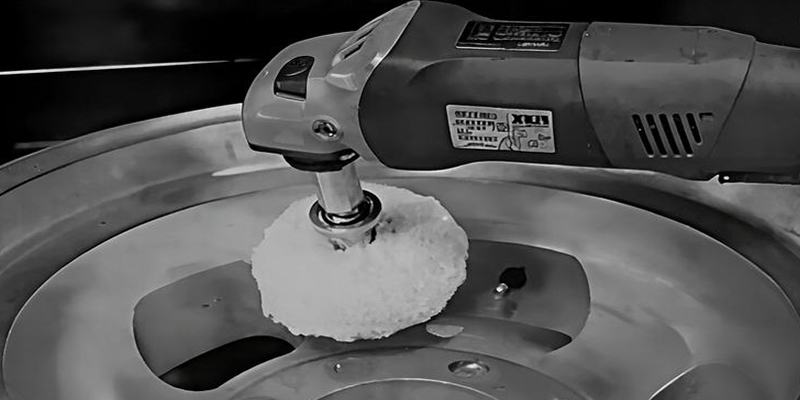
You must be gentle. Using an aggressive abrasive like steel wool or a harsh chemical will damage the part’s surface and dimensions. My team follows a clear, documented procedure for any rework like this.
Step-by-Step Cleaning Process
- Safety First: Wear safety glasses and gloves. Aluminum oxide powder is an irritant if inhaled or it gets in your eyes.
- Gentle Mechanical Removal: Use a soft nylon brush or a clean, lint-free cloth to gently wipe away as much of the loose white powder as possible. The goal is just to remove the surface layer.
- Chemical Wash: Prepare a washing solution using a mild, pH-neutral detergent specifically formulated for aluminum. Never use highly alkaline cleaners (like some degreasers) or strong acids. Immerse the part and use a soft sponge or cloth to clean the surface.
- Critical Rinse Stage: This step is extremely important. Rinse the part thoroughly to remove all traces of the detergent. The final rinse must be done with deionized (DI) or distilled water. Tap water contains minerals that will leave spots and can even cause new corrosion.
- Thorough Drying: Dry the part immediately. Use oil-free, filtered compressed air to blow all water out of deep holes, threads, and tight corners. You can also place the parts in a low-temperature oven (around 60-80°C) to ensure they are perfectly dry.
How can you prevent mold from ever forming?
Is cleaning corroded parts constantly wasting your time, labor, and money? A proactive prevention strategy is always more effective and far cheaper than trying to fix the problem later.
Prevent corrosion by controlling the storage environment, using specialized packaging with moisture control, and applying a protective surface treatment. This creates a reliable barrier between the aluminum surface and the elements.
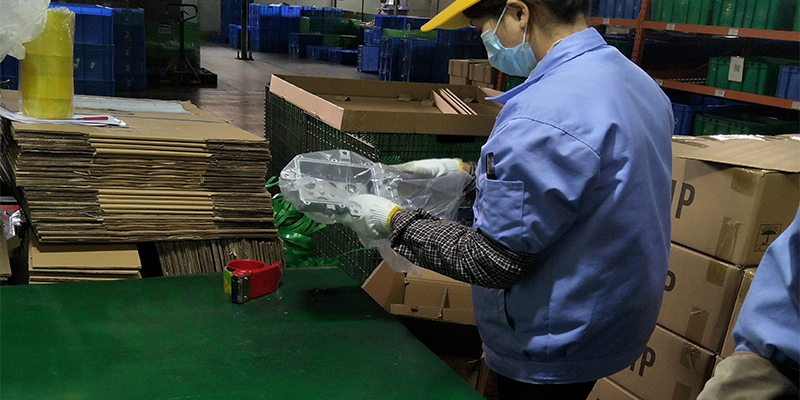
For any project, especially for my automotive clients, we build the prevention strategy right into the production plan. It’s not an afterthought. You have three main lines of defense.
Key Prevention Strategies
- Control the Environment: The ideal storage location for finished aluminum parts is a clean, dry, climate-controlled warehouse. You want to keep the relative humidity below 50% and avoid large temperature fluctuations that can cause condensation.
- Use Smart Packaging: This provides the most immediate return on investment.
- VCI Technology: Use Vapor Corrosion Inhibitor (VCI) paper or bags. These materials release a harmless vapor that forms an invisible, protective layer on the metal surface.
- Desiccants: Include desiccant packs inside sealed bags to absorb any moisture that gets trapped inside.
- Proper Stacking: Use plastic interleaving or dunnage that does not absorb water to separate parts and allow air to circulate.
- Apply a Surface Treatment: For the highest level of protection, you must apply a coating.
- Chromate Conversion Coating: This chemical treatment creates a thin, iridescent film that offers excellent corrosion resistance.
- Anodizing: This electrochemical process grows a thick, durable layer of aluminum oxide that is extremely resistant to corrosion and wear.
- Painting or Powder Coating: These provide a complete physical barrier between the part and the environment.
Conclusion
This "mold" is actually corrosion, caused by moisture. You can clean it carefully, but it is far better to prevent it through controlled storage, smart packaging with VCI, and protective surface treatments.
Discover packaging methods that protect your aluminum parts during transit. ↩
VCI bags are essential for preventing corrosion; learn how they protect your metal parts. ↩
Desiccants are key to moisture control; find out how they can protect your aluminum parts. ↩
Understanding aluminum oxide is vital for addressing corrosion issues effectively. ↩
Regular maintenance can extend the life of your aluminum parts; learn how. ↩


