Author name: Stan

Thermal Management in EV Aluminum Housings: It’s a Casting Problem, Not Just a Material One

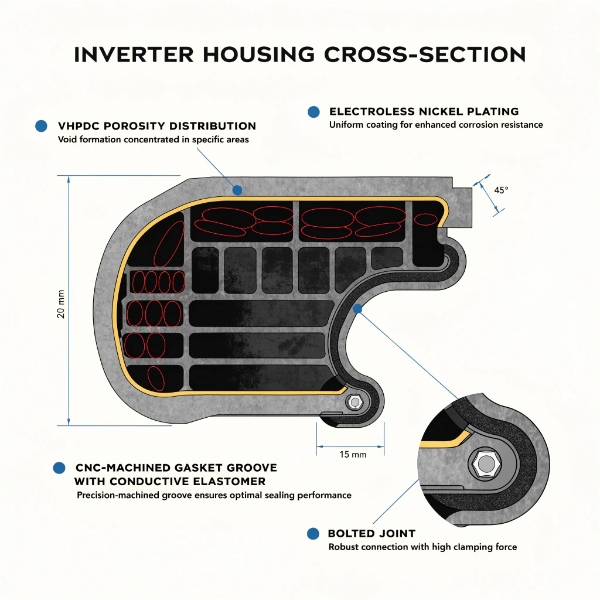
Let’s get one thing straight: choosing aluminum for an EV motor housing because it "has good thermal conductivity" is like choosing a CNC because it "makes chips." It’s table stakes. The real engineering battle isn’t about the material’s bulk thermal conductivity (k ≈ 150-180 W/m·K for common aluminum alloys). It’s about thermal resistance—and that resistance […]

Top 10 Automotive Parts Made by Die Casting (With Real-World Examples)

High-pressure die casting (HPDC) has become the dominant manufacturing process for automotive structural and powertrain components, driven by the industry’s relentless push for lightweighting, integration, and cost efficiency. For Tier 1 and 2 suppliers, knowing which parts are feasible—and which process variants each demands—is the difference between a smooth PPAP Level 3 submission1 and a

EV Battery Housing: Aluminum vs Steel – Which Is Better?

When engineering the lower architecture of an electric vehicle (EV), the battery pack enclosure—or battery tray—is arguably the most critical structural component. It must support hundreds of kilograms of lithium-ion cells, protect them from catastrophic side-pole impacts, manage intense thermal loads, and maintain an absolute IP67/IP68 hermetic seal. For years, OEMs and Tier 1 system

How Mold Flow Simulation Reduces Die Casting Defects (Before Cutting Steel)

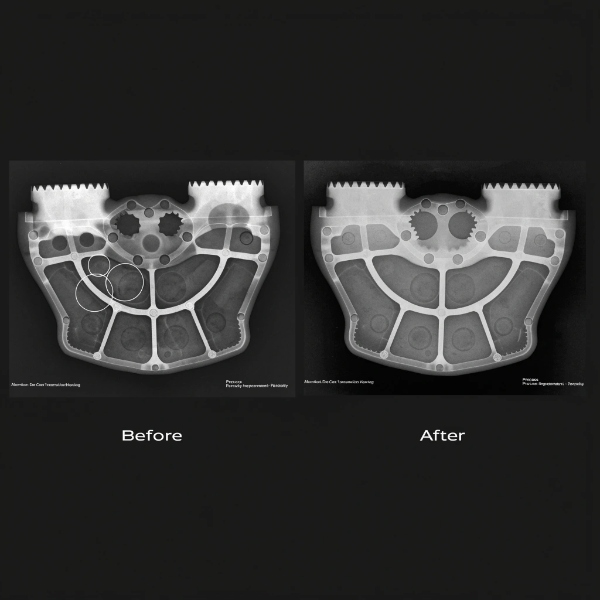
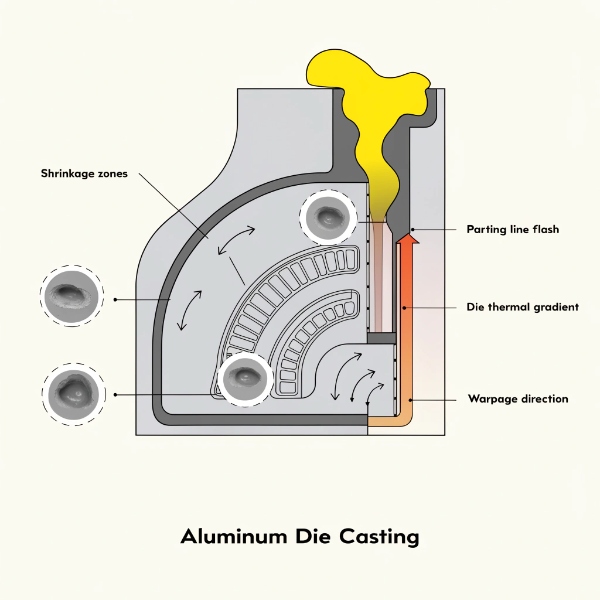
Liquid aluminum injected at 5 meters per second under 1,000 bars of pressure does not care about the symmetry of your CAD model. High-pressure die casting (HPDC) is a violent, highly volatile thermodynamic event. If you rely on trial and error on the foundry floor to dial in your casting parameters, you are already too

EV Motor Housing Manufacturer: Key Capabilities You Must Check Before Sourcing

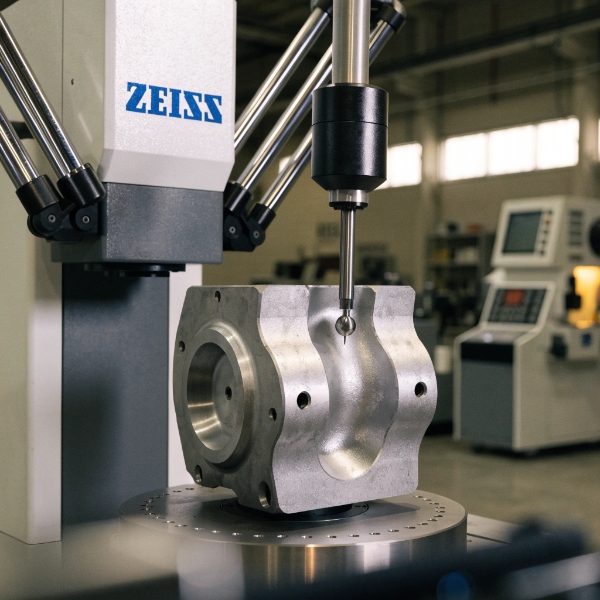
Sourcing the main drive motor housing for an electric vehicle powertrain is one of the highest-risk procurement decisions a Tier 1 system integrator will make. Unlike traditional ICE brackets or simple covers, an EV motor housing is a highly complex convergence of structural rigidity, active thermal management, and extreme geometric tolerancing. If your chosen automotive