

Cold Shuts in Aluminium Die Casting: Why Flow Fronts Do Not Fuse
A 1.9 kg ADC12 bracket with an 8.4 % cold shut rate: what a cold shut physically is, why die temperature alone rarely fixes it, and the three levers that moved the defect.

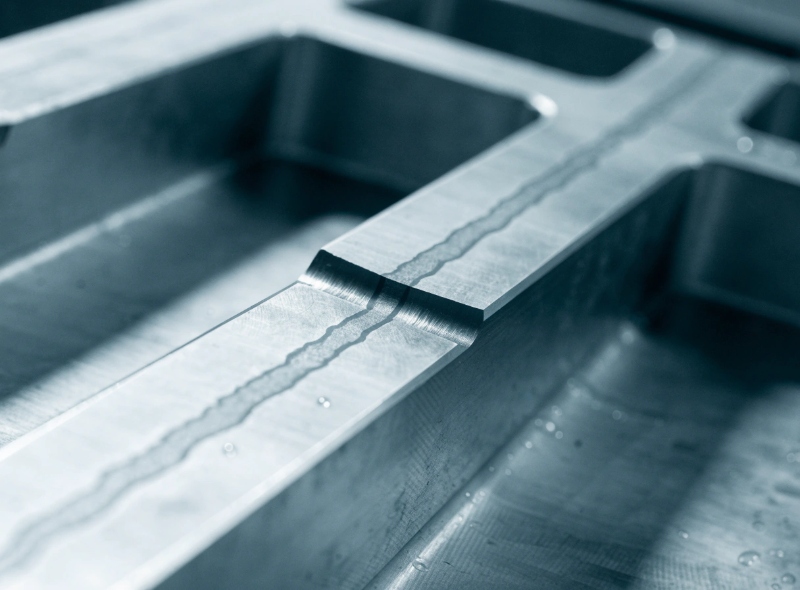
A 1.9 kg ADC12 bracket with an 8.4 % cold shut rate: what a cold shut physically is, why die temperature alone rarely fixes it, and the three levers that moved the defect.
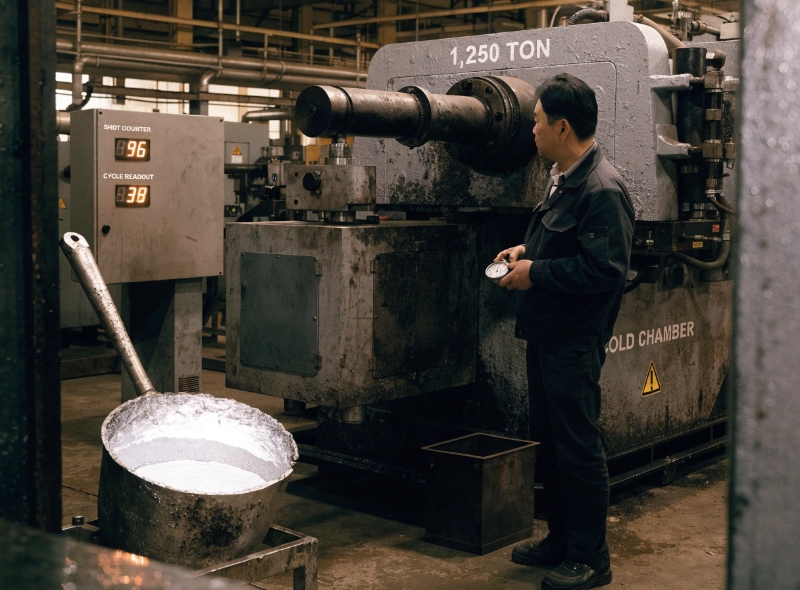
A 1,250-ton cell logged shot by shot: what the cycle really contains, which levers pay, and why a 45-second die can cost more per good part than a 58-second one.
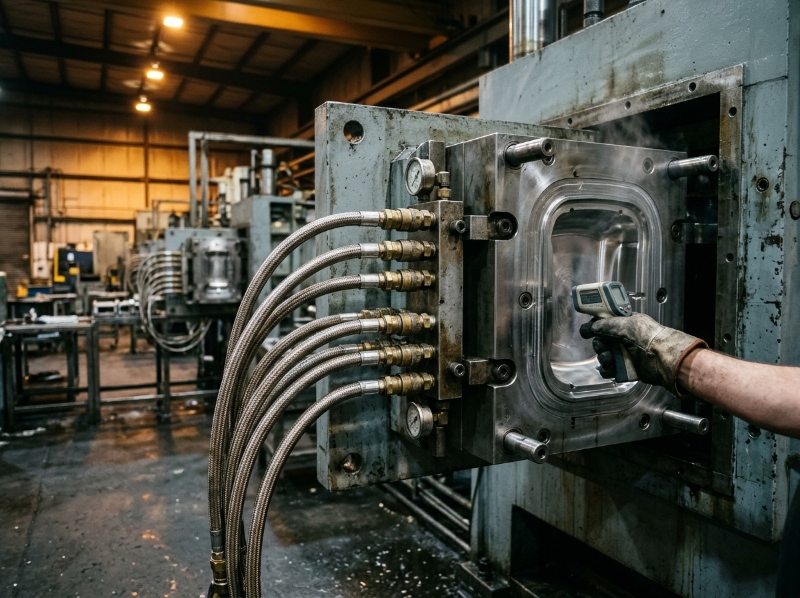
Die surface temperature swings 70-90 C across a single cavity. How thermal balance drives scrap, cycle time and die life in aluminium HPDC.
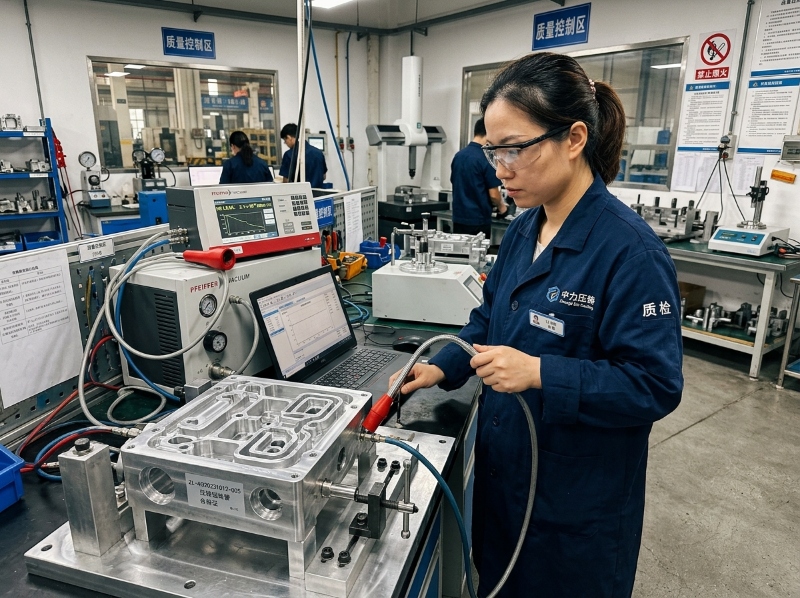
In 2026 a single AI rack stopped being an air-cooling problem. Lenovo’s product guide for the NVIDIA GB300 NVL72 puts the rack at 135 kW TDP, up to 155 kW at peak, and splits heat capture roughly 90% to liquid and 10% to air. NVIDIA’s Vera Rubin generation goes further, running 45°C warm-water loops so
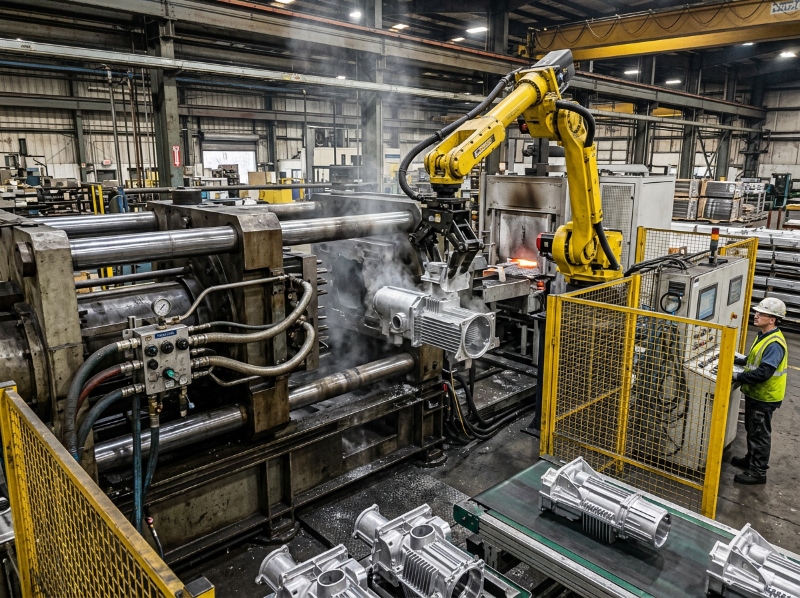
In September 2026 a report went around that Tesla’s humanoid team had landed in Ningbo and started auditing suppliers across the Yangtze River Delta. Put that beside the numbers Musk has repeated since his March all-staff meeting — 50,000 to 150,000 Optimus units targeted for 2026, a fifty-million figure for 2030 — and the story
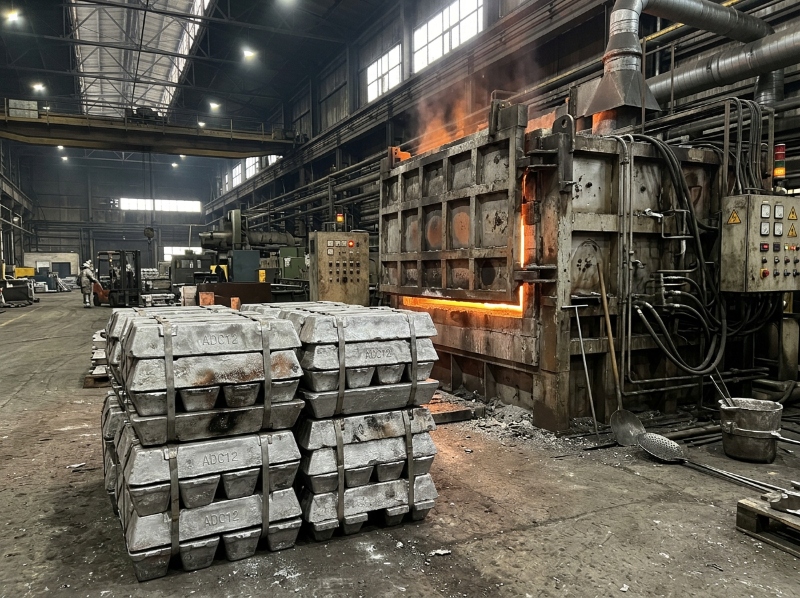
A finished car is not a CBAM good. The aluminium inside it is. Since 1 January 2026 the EU’s Carbon Border Adjustment Mechanism has been running in its definitive regime. Importers of aluminium goods no longer only report embedded emissions — they buy and surrender CBAM certificates against them. Aluminium die castings sit inside that