How Do You Deal with Mold on the Surface of Die-Cast Aluminum Alloy Parts?

Are you unboxing your precision aluminum parts only to find them covered in ugly white spots? This "mold" ruins the appearance and can cause costly rejections from your customers. Treat this "mold"—which is actually aluminum corrosion—by cleaning with a neutral pH solution and drying the parts completely. The best long-term solution is prevention through proper […]

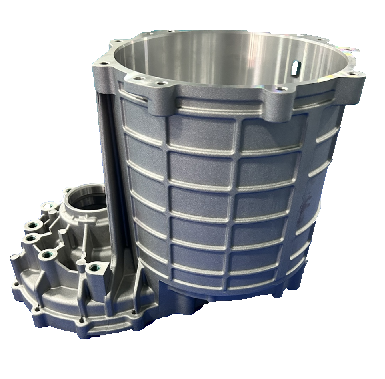
How Do You Solve the Most Common Machining Issues with Die-Cast Housings?

Perfectly cast housings fail in the final machining stage, creating piles of costly scrap. This unexpected waste ruins production schedules and eats into your profit margins, turning success into a last-minute failure. Solving machining issues requires a robust strategy combining sharp tooling, optimized cutting parameters, rigid fixturing, and a casting process designed to minimize subsurface

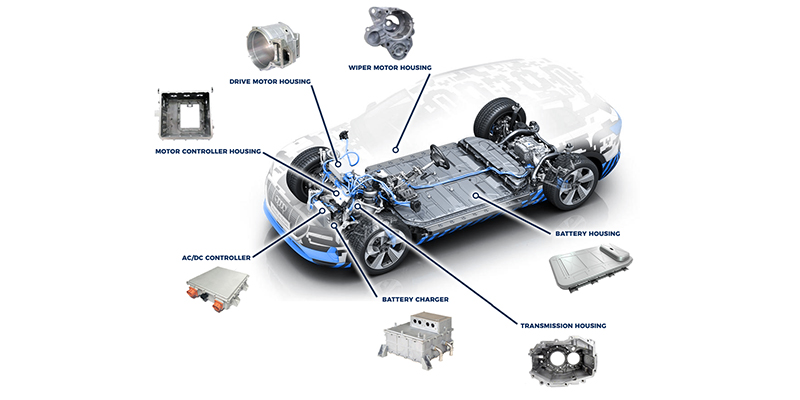
Why Is Die Casting the Best Choice for Power Inverter Enclosures?

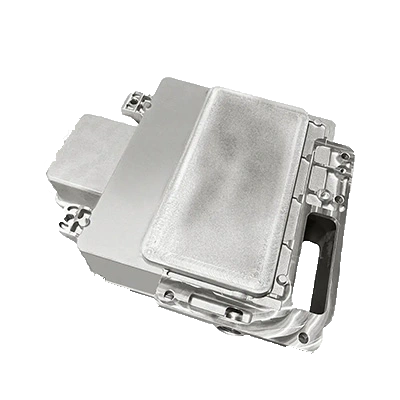
Your electric vehicle’s power inverter1 gets incredibly hot. If that heat isn’t managed, performance drops, reliability is compromised, and you risk a catastrophic failure on the road, a constant worry for engineers. Die casting is the best choice because it produces lightweight, strong aluminum enclosures2 with integrated cooling features3. This process is perfect for dissipating

What Grade of Aluminum Is Used for Die Casting?

Choosing the wrong aluminum grade can lead to casting defects1, part failure, and unexpected costs. This mistake can easily jeopardize your project timeline, budget, and the final product’s long-term reliability. The most common grade of aluminum for die casting is A380, an alloy known for its excellent balance of castability, mechanical properties, and cost-effectiveness. Other

How Do You Correctly Preheat Your Mold for Flawless Aluminum Castings?

Bad castings right from the start of a production run cause frustrating delays and piles of scrap. This instability eats into your efficiency and throws your project timelines completely off schedule. Correct mold preheating involves bringing the die to a stable operating temperature, typically between 180°C and 280°C, using integrated oil or water heaters, or

What are the Cleaning Methods for Aluminum Precision Parts After Hard Anodizing?

Is residue on your newly anodized parts causing problems in assembly or performance? This contamination can ruin all the hard work and investment put into your precision components. The best cleaning methods use a combination of gentle mechanical wiping, specialized chemical solutions, and ultrasonic baths. This multi-step approach removes contaminants without damaging the critical anodized