

Perfectly cast housings fail in the final machining stage, creating piles of costly scrap. This unexpected waste ruins production schedules and eats into your profit margins, turning success into a last-minute failure.
Solving machining issues requires a robust strategy combining sharp tooling, optimized cutting parameters, rigid fixturing, and a casting process designed to minimize subsurface porosity. This holistic approach prevents defects before they happen and ensures final part quality.
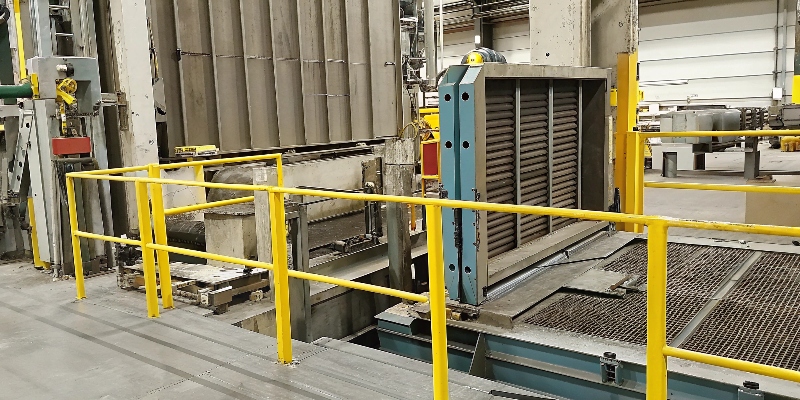
I’ve lost count of the times I’ve walked into a facility where the casting team and the machining team are pointing fingers at each other. The casting department blames the machinists for dull tools or bad setups. The machining department blames the casters for providing porous or dimensionally unstable parts. The truth is, success requires both teams to work together from the very beginning. A high-quality machined housing always starts with a high-quality, well-designed casting process. The issues that show up on the CNC machine1 are often just symptoms of a problem that began much earlier. Let’s look at these common issues and how we solve them with a combined approach.
How Do You Eliminate Burrs During Machining?
Your freshly machined parts have nasty burrs2 and rough edges. This forces you to add a slow, expensive manual deburring step that kills your cycle time and introduces human error.
Eliminate burrs by using extremely sharp, dedicated tooling for aluminum with high helix angles and polished flutes. Combining this with optimized tool paths, like climb milling, and proper coolant application prevents the material from smearing and forming burrs.
Aluminum alloys, especially the common A380 used in die casting, are "gummy." They have a tendency to smear and push rather than shear cleanly if the cutting conditions aren’t perfect. This is what creates burrs. The first line of defense is the cutting tool itself. We use tools made specifically for aluminum, which means they are incredibly sharp and often have a special coating to prevent aluminum from sticking to the cutting edge. A technique called climb milling3, where the cutter rotates in the same direction as the feed, also helps produce a cleaner cut and pulls the chip away from the part. For a project with very tight burr requirements, we might even specify Polycrystalline Diamond (PCD) tooling4. It’s a significant upfront investment, but a PCD tool can last 20 times longer than carbide and produces an almost perfect, burr-free finish. By carefully controlling the tool paths and cutting parameters5 in the CAM program, we can design the burr out of the process, eliminating the need for costly manual work.
How Do You Maintain Tight Dimensional Tolerances?
After machining, your CMM report shows that critical features are out of tolerance. This inconsistency leads to high rejection rates, potential assembly issues, and questions about the stability of your entire process.
Maintain tight tolerances by using a robust, custom-designed fixture that rigidly supports the part without distortion. We also closely monitor tool wear, implement in-process probing for adjustments, and ensure the casting is properly aged for dimensional stability.
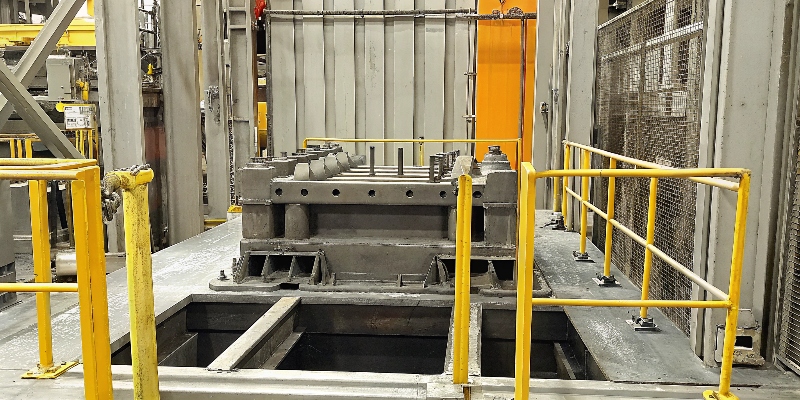
Achieving dimensional accuracy is a three-part problem: the part, the fixture, and the process. First, the die casting itself must be stable. Aluminum castings can change shape slightly over time if not properly heat-treated or aged, so we ensure that process is done correctly before machining. Second, the fixture is critical. I’ve seen more problems caused by bad fixtures than anything else. A die-cast housing is often a complex, thin-walled shape. The fixture must clamp it securely without bending or distorting it. We use custom hydraulic or pneumatic fixtures that provide even clamping pressure at multiple support points. Third, the machining process must be controlled. Tools wear down, and even a tiny change in a tool’s diameter can push a feature out of tolerance. We use automated tool-length sensors and in-process probing cycles, where a probe touches the part to verify a feature’s location and the machine automatically adjusts for any deviation.
How Do You Manage Tool Wear and Optimize Cutting Parameters?
You are burning through expensive cutting tools at an alarming rate. This frequent tool changing causes machine downtime, increases costs, and introduces variation into your process as tools become dull.
We manage tool wear by selecting the right tool coating (like TiB2 or diamond-like carbon) and optimizing speeds and feeds. We use high spindle speeds and aggressive feed rates with proper coolant to evacuate chips and reduce heat at the cutting edge.
The high silicon content in many die-casting aluminum alloys (like A380/AlSi9Cu3) makes them very abrasive to cutting tools. This is the primary cause of rapid tool wear. The solution is not to slow down; in fact, the opposite is often true. For aluminum, we use a strategy of "high-speed machining." This involves running the spindle at very high RPMs and moving the tool through the material very quickly. This approach creates a smaller, hotter chip that carries the heat away from the part and the tool, which actually helps extend the tool’s life. The right tool coating is also essential. A super-slick coating like Titanium Diboride (TiB2) or a Diamond-Like Carbon (DLC) coating prevents the gummy aluminum from sticking to the tool, which is a major cause of failure. By combining the right coated tool with optimized high-speed parameters, we can find the sweet spot that maximizes the material removal rate while also achieving predictable and long tool life, which is critical for cost-effective mass production.
How Can You Achieve a Better Surface Finish?
Your machined surfaces look dull, have visible tool marks, or chatter patterns. This poor cosmetic appearance is unacceptable for visible parts and can even interfere with the performance of sealing surfaces.
We improve surface finish by using high-quality, balanced tool holders to minimize vibration, applying high-pressure coolant to clear chips effectively, and using specific tools and tool paths, like a large-radius ball-end mill for finishing passes.
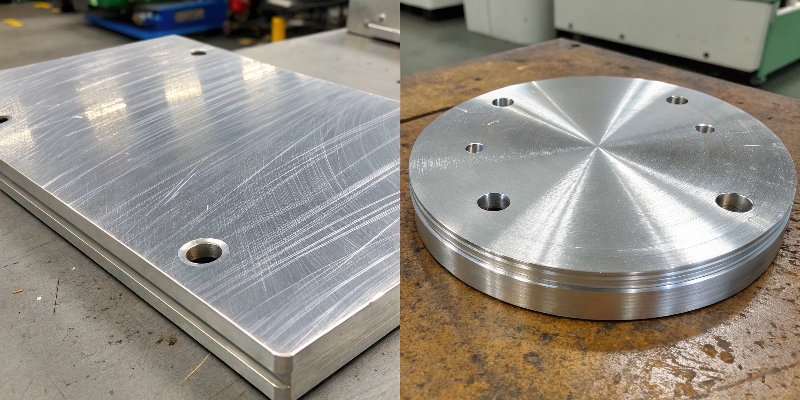
A beautiful surface finish6 comes from a stable, vibration-free process. The entire system—from the machine spindle to the tool holder to the cutting tool—must be perfectly balanced and rigid. Any vibration, or "chatter," will be transferred directly to the part as ugly tool marks. We use high-precision, balanced tool holders to minimize this. The machining strategy is also key. We separate roughing and finishing operations. A roughing pass with a robust tool removes the bulk of the material quickly. Then, we come back with a brand-new, sharp finishing tool for a very light final pass. This "finishing pass" removes only a tiny amount of material, which minimizes cutting forces and results in a much smoother surface. For contoured surfaces, using a tool with a larger corner radius or a ball-nose endmill with very small step-overs can produce an almost mirror-like finish. Finally, high-pressure, through-spindle coolant is a huge help, as it blasts tiny chips out of the way before they can be dragged across the finished surface.
What Do You Do When Machining Exposes Porosity?
You machine a critical sealing face or drill a hole, and it reveals tiny gas bubbles just under the surface. This porosity can cause leaks, making the expensive, fully machined part instant scrap.
We address porosity with a two-part strategy. First, we optimize the die-casting process (injection parameters, venting) using mold flow simulation to minimize porosity from the start. Second, we use vacuum impregnation to seal any microporosity in the finished casting.
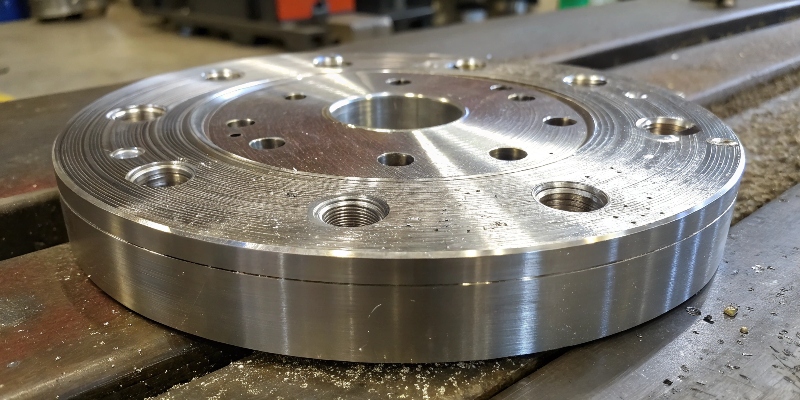
This is one of the biggest fears in machining die castings, and it goes right back to my earlier point about a good machined part starting with a good casting. At EMP Tech, we spend a huge amount of effort on this during the design phase. Using mold flow simulation, we can predict where gas is likely to get trapped during the casting process. We then add vents and overflows to the tool and carefully control the injection speed to minimize this turbulence and produce a dense, solid casting. But even in the best process, some microscopic porosity can remain. For parts with critical sealing or pressure-tightness requirements, like an inverter housing, we add a final step called vacuum impregnation. After machining, the parts are placed in a chamber, a vacuum is pulled to remove any air from the pores, and a liquid sealant is introduced. The pressure is then returned to normal, forcing the sealant deep into the microporosity, where it hardens and creates a permanent, pressure-tight seal.
Which Coolant is Best and How Should It Be Managed?
Using the wrong coolant or not enough of it can lead to built-up edge on your tools, poor surface finish, and warping of the part due to heat. This creates constant process instability.
The best coolant for machining aluminum is a high-quality, semi-synthetic or synthetic fluid at a concentration of 7-10%. High-pressure delivery, ideally through the tool spindle, is essential for chip evacuation and thermal control.
Coolant, or cutting fluid, has two primary jobs: lubrication and cooling. For aluminum, the lubrication part is crucial for preventing that gummy material from welding itself to the tool’s cutting edge. The cooling part is also important for maintaining dimensional stability in the workpiece. We’ve found that modern synthetic coolants work best. They provide excellent lubricity and cooling without the mess and maintenance headaches of older, oil-based fluids. But how you deliver the coolant is just as important as the coolant itself. Standard flood coolant can sometimes have trouble reaching the cutting zone, and the pile of chips can block the flow. The best solution is high-pressure, through-spindle coolant. This system pumps coolant at over 1,000 PSI directly through the tool holder and out of small holes in the cutting tool itself. This violent blast of fluid gets right to the cutting edge, flushing chips away and preventing any heat buildup. This results in longer tool life, better surface finish, and a more reliable process.
How Do You Design Fixtures for Complex Housings?
Your housing has a complex, organic shape with no flat surfaces to clamp on. A poor fixture design7 results in part movement during machining, leading to scrapped parts and even broken tools.
We design fixtures using the "3-2-1" locating principle, with custom-machined nests and hydraulic or pneumatic clamps. The design is based on the CAD model, ensuring the part is supported and clamped without distortion, even with complex geometries.
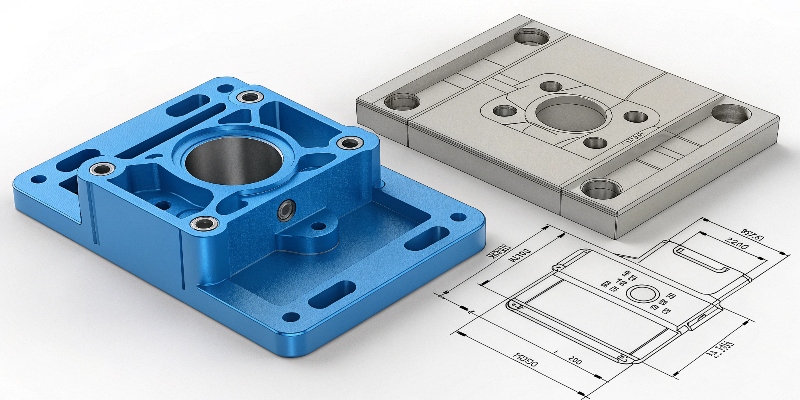
Fixturing a complex housing is a science. You cannot simply clamp it in a standard vise. The goal is to hold the part rigidly in a known and repeatable location. We start with the part’s CAD model and design the fixture around it. We use the "3-2-1" principle, which means we define the part’s location in space by touching it at three points on its primary plane, two points on a secondary plane, and one point on a tertiary plane. For complex shapes, these points are often cast-in locating bosses that we design specifically for this purpose. We then create custom-molded "nests" for the part to sit in, which provides broad support to the thin walls. Finally, we use automated clamping systems, like hydraulic or pneumatic clamps, that are programmed to apply a precise and consistent amount of force every single time. This removes operator variability and ensures that every part is held in the exact same way, which is the foundation for repeatable, accurate machining.
Conclusion
Solving machining issues for die-cast housings is about controlling the entire process. Success comes from combining smart fixture design, optimized cutting strategies, and a casting process that minimizes defects from the start.
Learn about CNC machines and their role in modern manufacturing. ↩
Explore effective techniques to eliminate burrs and improve surface quality. ↩
Understand how climb milling techniques enhance cutting efficiency. ↩
Discover the benefits of PCD tooling for achieving burr-free finishes. ↩
Learn about optimal cutting parameters for efficient aluminum machining. ↩
Explore methods to achieve superior surface finishes on machined parts. ↩
Discover key principles for designing fixtures that enhance machining accuracy. ↩


