Author name: Fannie

What Modern Automotive Components Demand from Die Casting Manufacturing

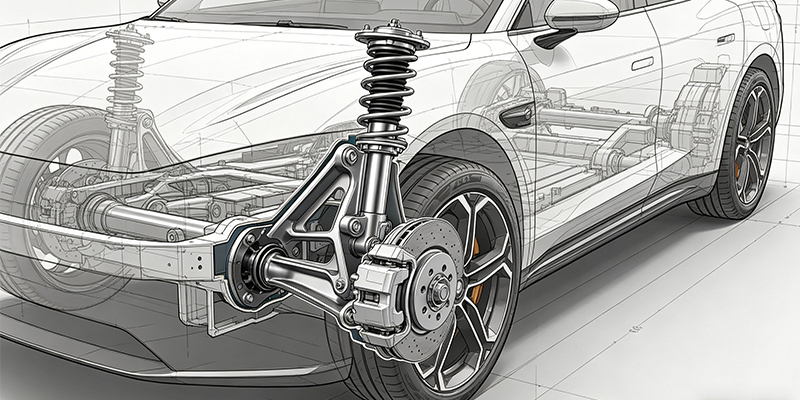
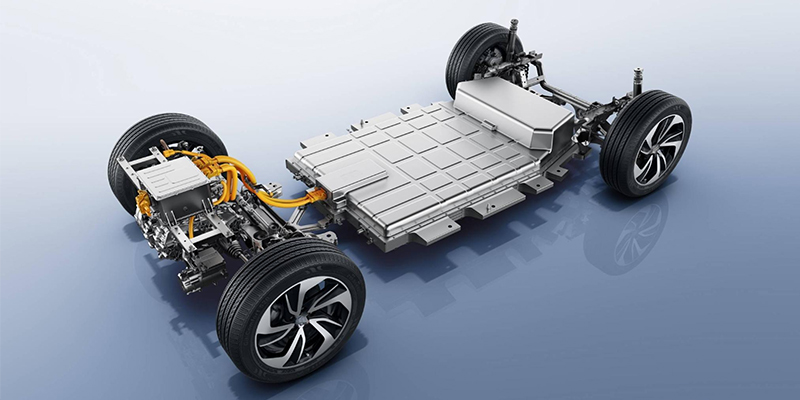
The automotive industry’s shift toward electrification and lightweight construction has fundamentally changed what manufacturers expect from their suppliers. Today, producing aluminum die cast components for vehicles—especially new energy vehicles (NEV)—is no longer just about delivering parts. It demands engineering collaboration, process integration, and rigorous quality systems. At EMP Tech, we approach these challenges through a […]

How DFM Analysis Reduces Die Casting Defects

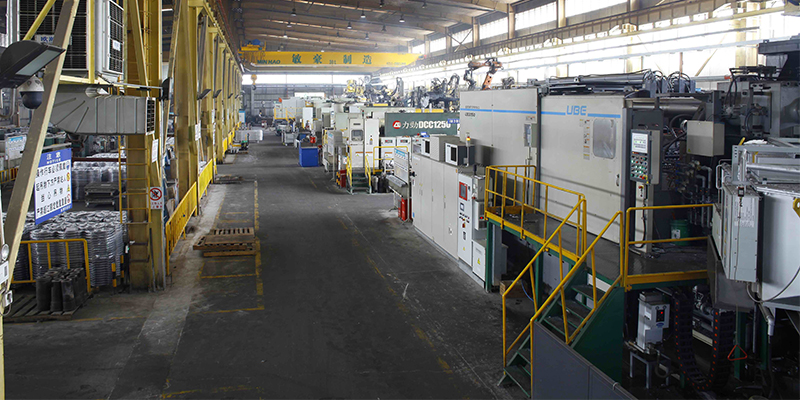
In the fast‑evolving world of automotive manufacturing, die casting remains a cornerstone process for producing lightweight, high‑strength components—from engine blocks and transmission housings to structural nodes and battery enclosures for electric vehicles. Yet, as part geometries grow more complex and performance demands tighten, casting defects such as porosity, cold shuts, and shrinkage cavities become critical

How Friction Welding Ensures Superior Sealing and Durability for EV Control Units

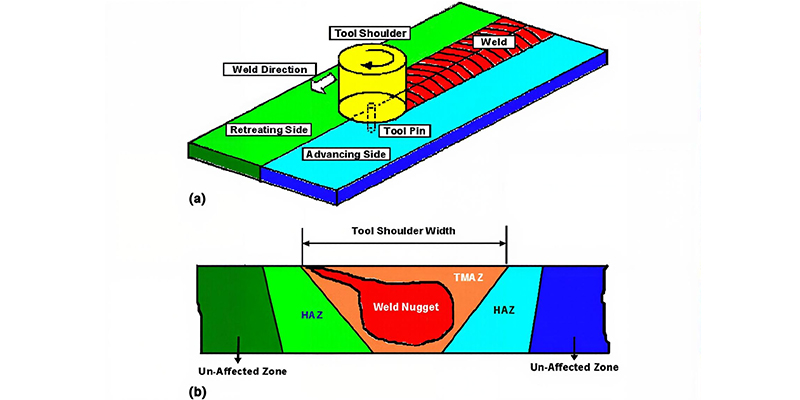
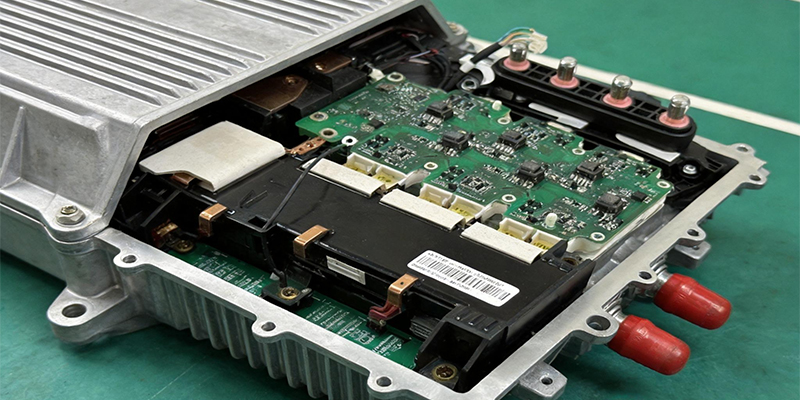
Electric vehicle (EV) control units—often called the “brains” of the powertrain—house sensitive electronics that manage battery distribution, inverters, and motors. Unlike traditional automotive components, these enclosures must survive constant vibration, extreme thermal cycling, and exposure to moisture without any degradation over the vehicle’s lifetime. Traditional sealing methods often fall short. Silicone gaskets and liquid sealants

Surface Treatment Methods to Enhance Aluminum Die Cast Parts Durability

Die casting produces complex, high-strength parts with excellent. However, the as-cast surface often porous, chemically reactive, and susceptible to wear and corrosion. To unlock their full potential in demanding applications—from automotive and aerospace to consumer electronics equipment—these parts require specialized surface treatments. This article explores five key post-casting processes designed to significantly enhance the durability,

The Importance of Precision Machining in Aluminum Casting Finishing

For high-pressure aluminum die castings, the output from the casting machine is only the beginning. The final part’s functionality, reliability, and adherence to strict geometric dimensions depend heavily on post-casting operations. As highlighted by manufacturers like EMP Tech, who serve demanding sectors like automotive OEMs and new energy vehicles, the goal is to transform a

Essential Techniques for Mold Design in High-Pressure Aluminum Die Casting

Mold design is the cornerstone of successful high-pressure die casting, where molten aluminum is injected into molds at pressures up to thousands of tons to form intricate parts. Effective design minimizes defects like porosity, shrinkage, and warping while maximizing efficiency and part durability. At EMP Tech, our mold design process integrates advanced simulations and analyses