

Are your current manufacturing processes struggling to meet the intense demands of electric vehicle components? From lightweighting to thermal management, failing to meet these critical requirements can compromise EV performance and reliability.
Critical requirements for EV aluminum die castings include extreme lightweighting for extended range, superior thermal management, robust EMI shielding, complex integrated geometries, and exceptional corrosion resistance for longevity.
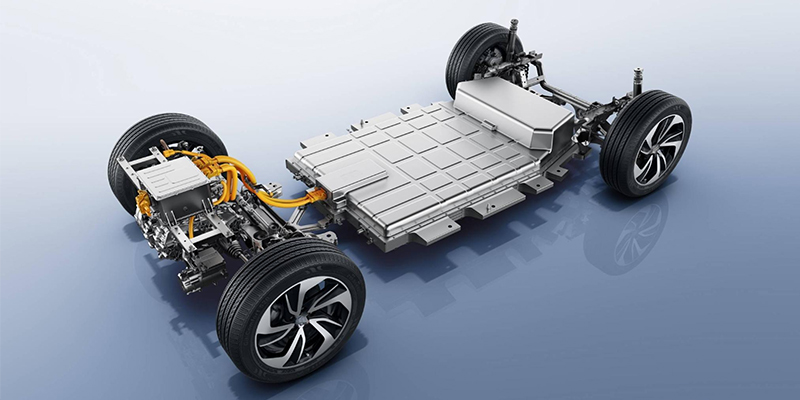
When I first started working on new energy vehicle projects years ago, the requirements from our customers—major Tier 1 suppliers in Germany and North America—were a significant leap from traditional automotive parts. It wasn’t just about making a stronger or lighter part; it was about reimagining what was possible with aluminum die casting. I vividly remember a project for a motor controller housing where the thermal management, EMI shielding, and weight targets seemed almost contradictory. We couldn’t just cast a simple box; we needed to integrate complex cooling fins, thin walls for weight reduction, and precise internal features for electronic components, all while maintaining absolute airtightness. It pushed our DFM analysis, mold flow simulation, and process optimization to new limits. Meeting these stringent demands for EV components is not merely about manufacturing; it’s about engineering innovation at every stage to power the future of sustainable mobility.
Why is lightweighting crucial for electric vehicle range?
Are you overlooking the direct impact of component weight on an EV’s range and efficiency? Heavy parts can drastically reduce battery range, making your vehicle less competitive and less appealing to consumers.
Lightweighting is crucial for EV range because every kilogram saved directly translates to increased battery efficiency and extended driving distance, making aluminum die castings indispensable for their high strength-to-weight ratio.
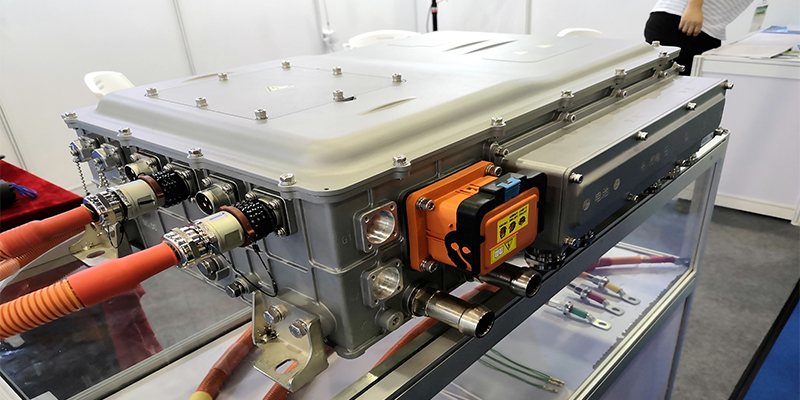
In the world of electric vehicles, weight is the enemy of range. Batteries are heavy, and to compensate, every other component must be as light as possible without sacrificing strength or safety. This is where aluminum die casting offers a massive advantage over steel or even other aluminum forming methods. Die-cast aluminum provides an excellent strength-to-weight ratio, allowing engineers to design thinner-walled, yet robust, structures. For example, a single, large die-cast battery tray can replace an assembly of dozens of smaller, heavier stamped and welded steel parts. This not only saves significant weight but also simplifies assembly and potentially reduces costs. I’ve worked on numerous projects where minimizing wall thickness—down to 2.5mm or even 2mm in places—was a primary design driver. My team and I use advanced mold flow simulation to ensure that even with these thin walls, the molten aluminum completely fills the complex mold cavity, preventing defects like misruns or cold shuts, which are unacceptable for these critical lightweight components.
How does die casting excel in EV thermal management?
Is your current method of producing EV enclosures failing to adequately dissipate heat, leading to reduced battery life and compromised motor performance? Inefficient thermal management can be a critical bottleneck for EV reliability.
Die casting excels in EV thermal management by enabling the integration of intricate cooling channels and heat sinks directly into components like motor housings and battery enclosures, efficiently dissipating heat from critical powertrain elements.
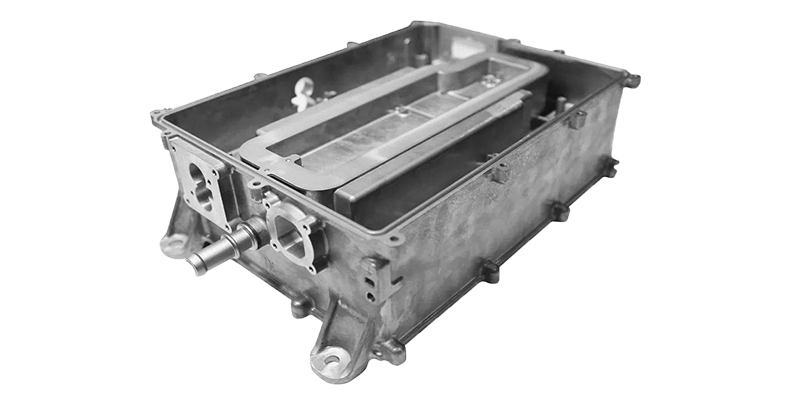
Heat is a major challenge in electric vehicles. Batteries generate heat during charging and discharging, and electric motors and power electronics produce significant heat during operation. If this heat isn’t managed effectively, it can degrade battery performance, shorten battery life, and reduce the efficiency and longevity of other electronic components. Aluminum die castings are perfect for this challenge because aluminum has excellent thermal conductivity. More importantly, the die casting process allows us to design and integrate complex cooling features directly into the component’s structure. Think of intricate internal fins, precisely routed fluid channels, or even double-walled designs that allow coolant to circulate. This "design for cooling" approach is difficult to achieve with other manufacturing methods. For instance, in an inverter housing, we can cast in internal webs that act as thermal pathways to dissipate heat from power modules, ensuring they operate within optimal temperature ranges, even under heavy loads. This level of integration is essential for demanding component performance.
Why are EMI shielding and structural rigidity crucial for EVs?
Are electromagnetic interference (EMI) or insufficient chassis rigidity causing concerns in your EV designs? Uncontrolled EMI can disrupt sensitive electronics, while a weaker chassis impacts safety and vehicle dynamics.
EMI shielding is crucial to protect sensitive EV electronics from electromagnetic interference, while structural rigidity, provided by robust die castings, ensures crash safety, vehicle dynamics, and long-term chassis integrity.
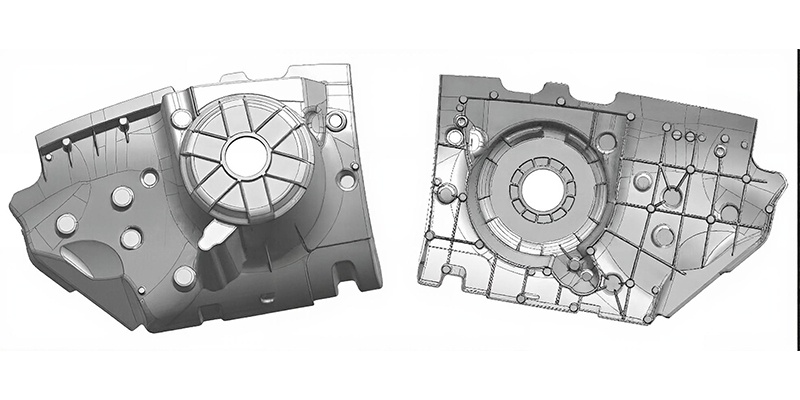
Electric vehicles are packed with high-voltage systems and sensitive electronics, generating significant electromagnetic interference (EMI). This interference can disrupt other electronic systems, leading to malfunctions or safety issues. Aluminum die castings naturally provide effective EMI shielding because aluminum is conductive and forms a Faraday cage around the electronic components. This eliminates the need for additional, often heavy, shielding materials. Beyond electronics, structural rigidity is paramount for an EV’s chassis. Large die-cast structural parts, like subframes, shock towers, or integrated body nodes, contribute significantly to the vehicle’s overall stiffness. This stiffness is critical for passenger safety in a crash, precise handling and vehicle dynamics, and reducing noise, vibration, and harshness (NVH) for a smoother ride. When I work with Tier 1 suppliers on these structural components, we focus heavily on optimizing rib designs and wall thicknesses through simulation to achieve maximum stiffness with minimal weight. The predictability of the die casting process ensures that these complex structural integrity requirements are met consistently.
How do complex geometries enable compact EV solutions?
Are you finding it hard to miniaturize EV powertrains or create compact battery enclosures with your current manufacturing methods? Simple designs often lead to bulky assemblies and wasted space.
Complex geometries enabled by die casting allow for highly integrated and compact EV powertrain and enclosure solutions. This maximizes space utilization and reduces the number of individual parts, simplifying assembly.
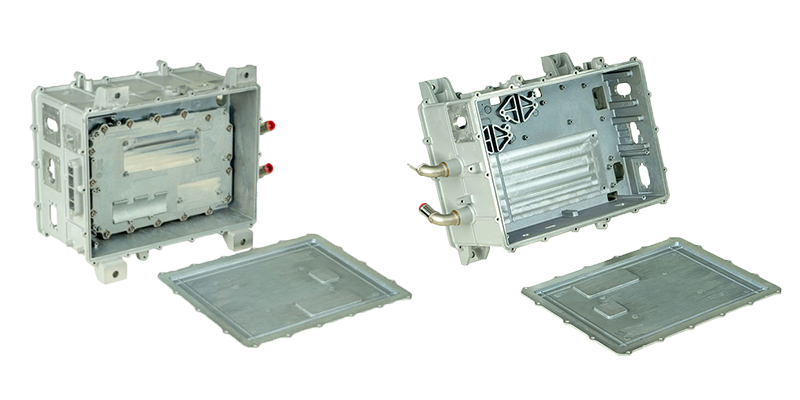
One of the biggest advantages of die casting for electric vehicles is its ability to produce incredibly complex shapes as a single, integrated component. Imagine a motor housing that also incorporates mounting points for power electronics, internal cooling passages, and integrated wiring channels. This level of functional integration dramatically reduces the number of individual parts that need to be manufactured and assembled. The result is a much more compact, lighter, and often more robust overall assembly. For example, some of our projects involve integrating motor controllers, inverters, and gearboxes into a single die-cast housing. This "3-in-1" or even "all-in-one" approach for electric drive units is only truly feasible with die casting. It allows for optimal packaging within the tight constraints of an EV chassis, freeing up space for batteries or passenger compartments. My team specializes in DFM analysis during the early design stages to ensure these highly complex geometries are castable, focusing on factors like draft angles, parting lines, and core design to achieve precise dimensions and surface finishes.
Why are corrosion resistance and longevity important for EV components?
Are you concerned about the long-term durability of your EV components, especially in harsh operating environments? Inadequate corrosion resistance can lead to premature failure and costly warranty claims.
Corrosion resistance is vital for the longevity of EV components, especially for critical parts exposed to road salts, humidity, and varying temperatures, ensuring long-term performance and reliability.
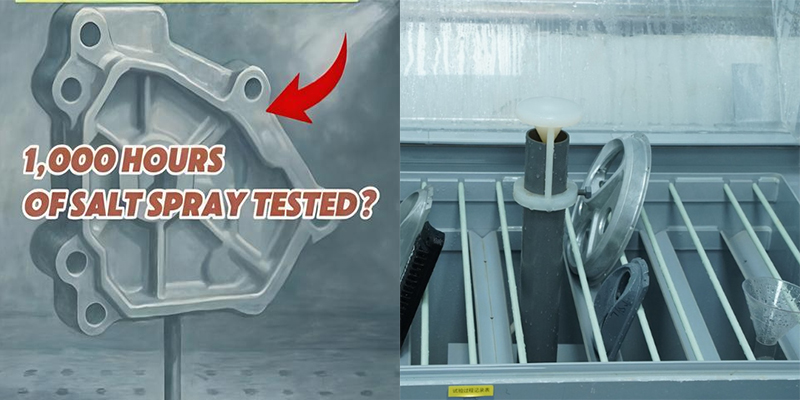
Electric vehicles are expected to have a long service life, and their components must withstand challenging environments, including exposure to road salts, humidity, extreme temperatures, and various chemicals. Aluminum alloys, especially those commonly used in die casting like A380 or A356, offer excellent natural corrosion resistance compared to many other metals. However, for EV applications, we often take additional steps to enhance this critical property. Surface treatments like anodizing, chromate conversion coatings, or specialized e-coating and powder coating are frequently applied to further protect die-cast components. For a motor controller housing, for example, its external surfaces might receive an e-coat to protect against stone chips and road spray, while its internal surfaces touching fluids might get a chromate conversion for added protection. The goal is to ensure that critical components like battery trays, motor housings, and structural parts maintain their integrity and performance throughout the vehicle’s lifespan, even under the most demanding conditions. This long-term reliability is a key factor for customer satisfaction and brand reputation.
Conclusion
Meeting the demands of EV components requires a holistic approach to aluminum die casting. Key requirements like lightweighting, thermal management, EMI shielding, complex integration, and corrosion resistance are mutually critical for performance and longevity.


