Author name: Fannie

What Is The Impact of High-Pressure Aluminum Die Casting on Electric Vehicle Performance?

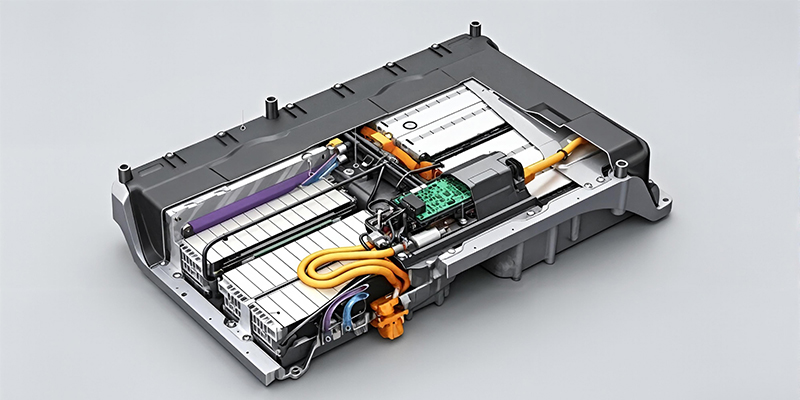
Are you wondering how Electric Vehicles (EVs) are achieving their remarkable improvements in range, safety, and overall efficiency? The key often lies hidden within the manufacturing processes and materials used for their critical components. High-Pressure Aluminum Die Casting significantly impacts EV performance by enabling lightweighting for extended range, enhancing structural integrity for safety, and providing […]

How Can We Optimize the Aluminum Alloy Die Casting Process for Automotive Shock Towers?

Are you struggling to produce automotive shock towers that meet the stringent demands of electric vehicles for lightweighting, structural integrity, and noise-vibration-harshness (NVH) control? Traditional manufacturing methods often fall short. Optimizing the aluminum alloy die casting process for automotive shock towers involves fine-tuning parameters for maximum lightweighting, superior structural integrity, excellent NVH control, and consistent

What Are the Critical Aluminum Die Casting Requirements for Electric Vehicle Components?

Are your current manufacturing processes struggling to meet the intense demands of electric vehicle components? From lightweighting to thermal management, failing to meet these critical requirements can compromise EV performance and reliability. Critical requirements for EV aluminum die castings include extreme lightweighting for extended range, superior thermal management, robust EMI shielding, complex integrated geometries, and

How Do Friction Welding and Friction Stir Welding Optimize High-Pressure Die Casting Joints?

Are you struggling to find reliable ways to join or repair high-pressure die castings without compromising performance? Traditional welding methods often introduce defects, leaving you with weak points and costly rejections. Friction Welding (FW) and Friction Stir Welding (FSW) are solid-state joining processes that avoid melting the material, preserving the parent material’s properties and creating

What Modern Automotive Components Demand from Die Casting Manufacturing

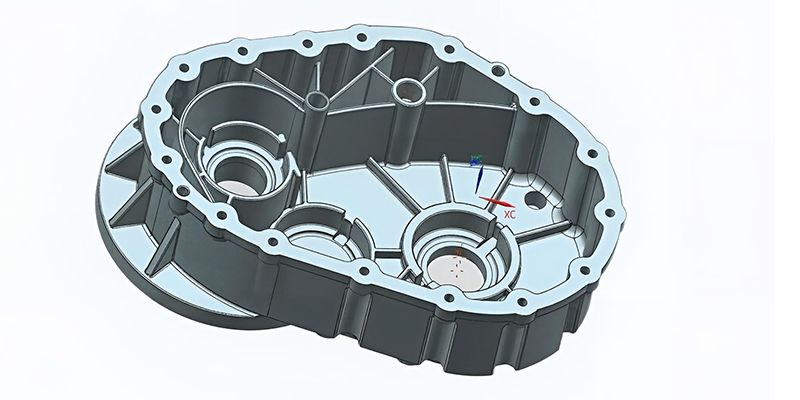
The automotive industry’s shift toward electrification and lightweight construction has fundamentally changed what manufacturers expect from their suppliers. Today, producing aluminum die cast components for vehicles—especially new energy vehicles (NEV)—is no longer just about delivering parts. It demands engineering collaboration, process integration, and rigorous quality systems. At EMP Tech, we approach these challenges through a