

Struggling to match the right die casting machine to your automotive part? Using the wrong tonnage leads to defects and wasted costs. Discover how to precisely pick the perfect machine size.
Selecting the correct die casting machine tonnage, from 350T to 3050T, depends on part size, wall thickness, and flow distance. Accurately matching machine capacity prevents defects, optimizes cavity pressure, and ensures cost-effective production, especially for complex automotive components like EV battery trays.
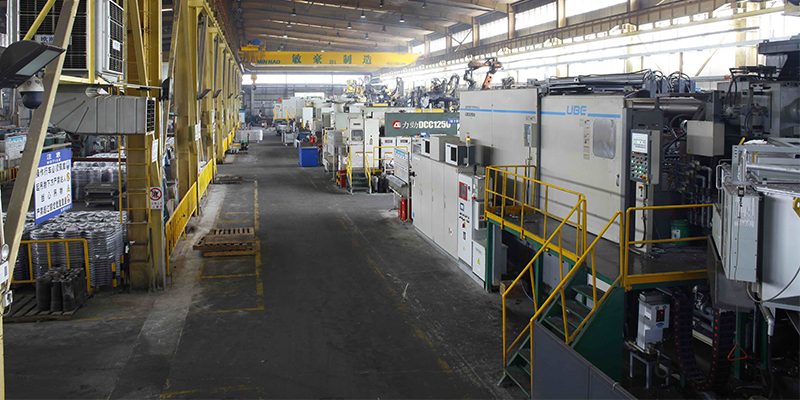
Choosing the right die casting machine size is more than just picking a number. It is about understanding the science behind molten metal flow, pressure, and part integrity. My 20 years in this industry taught me that the right machine makes all the difference in delivering quality components. Let us look closer at how we decide.
Why Tonnage Matters – The Relationship Between Clamping Force and Part Characteristics?
Confused about tonnage and part quality? Misjudging machine size can cause flashing and quality issues. Learn why clamping force is fundamental to successful automotive component casting.
Tonnage, or clamping force, is crucial. It keeps the die closed against injection pressure. Correct tonnage prevents metal from escaping the die cavity, which causes flashing. It ensures parts fill properly, giving precise dimensions and a good surface finish.
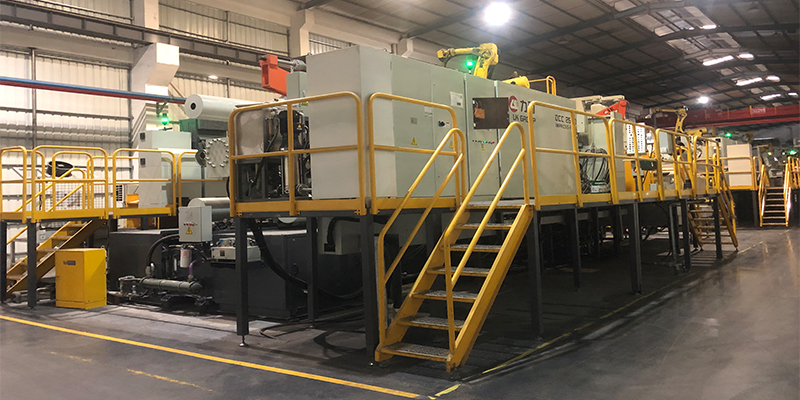
When I first started on the die casting floor, one of the first lessons I learned was the importance of clamping force. It is the raw power that holds the two halves of the die together under immense pressure. Without enough tonnage, the molten aluminum would force the die open. This causes ‘flash,’ thin sheets of excess metal around the parting line. Flash is unwanted material. It needs extra trimming. It also wastes material and adds cost. Beyond just preventing flash, the correct tonnage helps ensure proper metal flow and complete cavity fill.
Understanding Clamping Force Dynamics
| Factor | Impact of Insufficient Tonnage | Impact of Correct Tonnage | My Experience |
|---|---|---|---|
| Flashing Prevention | Excessive flash, high scrap rates. | Clean parting line, less post-processing. | I have seen huge flash requiring heavy manual removal. |
| Part Fill & Density | Incomplete fill, porosity, low density. | Full fill, consistent density, strong parts. | A part had consistent porosity until we used a higher tonnage machine. |
| Dimensional Accuracy | Warped parts, inconsistent dimensions. | Tight tolerances, reliable dimensions. | For a critical EV bracket, precise tonnage was key for correct geometry. |
| Surface Finish | Poor surface quality, flow marks. | Smooth, consistent surface finish. | You can see a smoother surface when tonnage is just right. |
My insight tells me that choosing the right tonnage starts with a simple formula: projected area multiplied by cavity pressure. The projected area is the total area of the part and its runners/gates, as seen from the clamping direction. The cavity pressure is the force the molten metal exerts on the die. For example, if a part has a projected area of 200 square inches and the optimal cavity pressure is 5,000 PSI, then the required clamping force is 1,000,000 pounds, or 500 tons. However, it is never precise. We always add a safety factor, usually 10-20%, because actual cavity pressures can fluctuate. So, for a 500-ton need, I would look for a 600-ton machine or larger. This calculation helps avoid guesswork, which can be costly. For a new energy vehicle project, we designed a motor end cap. The initial calculation was 400T. But after running simulations and accounting for tight wall thickness, we went with a 500T machine to give us peace of mind and prevent any potential flashing on critical sealing surfaces. This attention to detail in tonnage calculation ensures the part not only stays in the mold but also meets all quality checks.
350T–1250T Machines – Ideal for Smaller, High-Precision Components (e.g., Brackets, Housings)?
Struggling with quality issues on smaller, complex parts? Using an oversized machine for small components wastes energy and money. Find out why smaller tonnage machines are perfect for precision.
Machines from 350T to 1250T are ideal for smaller, high-precision aluminium components. These include brackets, sensor housings, and small pump bodies. Their lower shot size capacity works well for parts with thin walls and intricate details, delivering accuracy and cost efficiency.
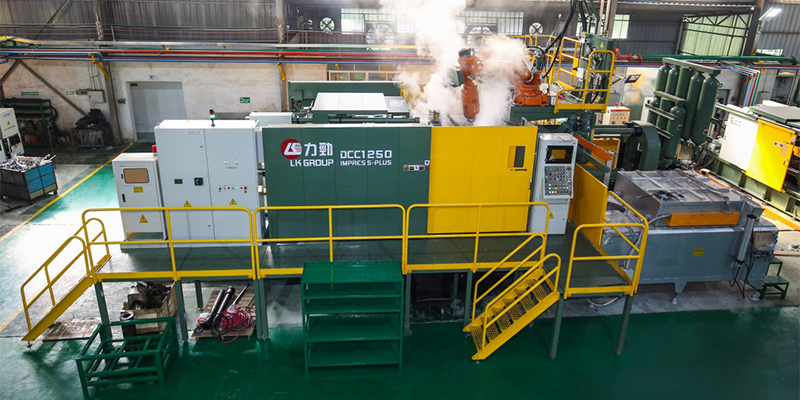
In my experience, the sweet spot for many automotive precision components, especially those with intricate designs and tight tolerances, often lies within the 350T to 1250T range. These machines are not small in capability. They are just right for specific part categories. Think about the intricate sensor housings found in modern vehicles, or the small, lightweight brackets that hold electronic control units. These parts need extreme precision and detail. They often have thin walls to save weight. Using a machine that is too big for these parts can be inefficient.
Benefits and Applications for Smaller Tonnage Machines
| Tonnage Range | Typical Automotive Components | Key Characteristics Required | My Production Focus Example |
|---|---|---|---|
| 350T – 650T | Small brackets, valve bodies, power steering components, small connectors. | High precision, complex internal geometries. | Small sensor housings with thin walls for EV battery management system. |
| 650T – 900T | Small motor housings, control unit enclosures, thermostat housings. | Good surface finish, internal sealing surfaces. | Heat sinks for communication modules; tight parallelism. |
| 900T – 1250T | Medium-sized brackets, compact inverter housings, turbocharger components. | Structural rigidity, good strength-to-weight ratio. | Compact e-motor brackets, requiring critical mounting points. |
These machines are perfect for achieving very specific part characteristics. For instance, when we were developing a series of small, thin-walled housings for an automotive sensor, we found that a 400T machine provided the best balance of injection speed control and clamping precision. The relatively smaller shot size permitted finer control over the molten metal’s flow. This prevented issues like cold shuts and incomplete fills common in delicate parts. The molds for these machines are also proportionally smaller. This allows for faster cycle times and better thermal management of the die. I remember a specific project where a customer moved a small, intricate part from a larger machine to a 600T machine after facing consistent porosity. The smaller machine’s ability to maintain more stable process parameters across a shorter shot stroke made a clear difference. It reduced the defects significantly. This resulted in higher yields and better part quality. It clearly showed that smaller machine sizes are not a limitation. They are a precise tool for precision work.
1650T–2500T Presses – Enabling Mid-Sized Structural Parts (Subframes, Shock Towers)?
Are your medium-sized structural parts struggling with integrity or dimensional accuracy? Miscasting structural components jeopardizes vehicle safety and performance. See why mid-range tonnage presses are essential for these critical parts.
Presses ranging from 1650T to 2500T are ideal for mid-sized structural aluminium castings. These include subframes, shock towers, and transmission cases. They provide enough clamping force and shot capacity for parts needing both strength and size.
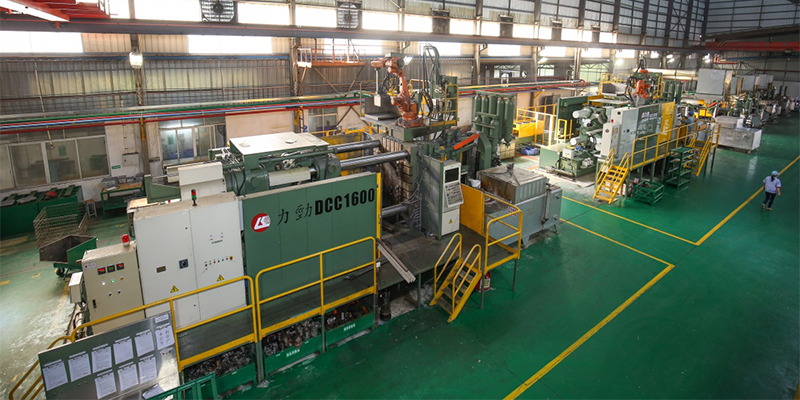
Moving up in tonnage, the 1650T to 2500T machines become the workhorses for significant structural components. These are the parts that bear considerable loads and contribute directly to vehicle safety and performance, especially in modern automotive designs. I often think of components like engine subframes, which support the entire powertrain, or shock tower mounts, which absorb road impacts. These parts are typically larger than the precision components mentioned earlier and have more substantial sections. They need a greater volume of molten aluminum and much more clamping force to ensure proper filling and solidification.
Key Applications and Considerations for Mid-Range Tonnage
| Tonnage Range | Typical Automotive Components | Critical Design/Process Needs | My Project Experience |
|---|---|---|---|
| 1650T – 2000T | Transmission cases, larger brackets, cradle components, large battery components. | High strength, good ductility, consistent wall thickness. | An OBC housing, needing precise internal structure and robust design. |
| 2000T – 2500T | Structural subframes, shock towers, cross-car beams, chassis components. | Impact resistance, fatigue strength, safety-critical. | A large structural mount for an EV powertrain, demanding zero casting defects. |
When working on a project for a new energy vehicle’s transmission case, we opted for a 2000T machine. The part had complex internal webbing to reduce weight while maintaining strength. The larger shot capacity of such a machine allowed us to fill these intricate patterns completely and quickly. The increased clamping force also made sure that the parting line remained perfectly sealed, even with high injection pressures needed to fill the farthest reaches of the die. Without this specific tonnage, we would have faced issues like short fills or excessive flash. For these structural parts, material integrity is non-negotiable. The ability of these larger machines to deliver high-quality, dense castings is paramount. We recently cast a large structural bracket for an EV suspension. It needed to withstand significant dynamic loads. The 2200T machine gave us the control over fill speed and pressure profiles needed to achieve the right metallurgical properties, including consistent grain structure, throughout the part. This was crucial for its fatigue life. It is not just about size; it is about guaranteeing the part’s performance under stress. The larger tonnage machines provide critical capability for these challenging parts.
The 3050T Ultra-Large Machine – Producing Battery Trays, Motor Housings, and NEV Structural Beams?
Facing challenges casting massive, complex EV components? Standard machines cannot handle the scale and intricacy of next-gen structural parts. Discover how the 3050T machine unlocks possibilities for large-scale production.
The 3050T ultra-large die casting machine excels at producing massive, complex electric vehicle components. These include single-piece battery trays, large motor housings, and NEV structural beams. Its immense clamping force and shot capacity make it essential for these large, high-integrity castings.
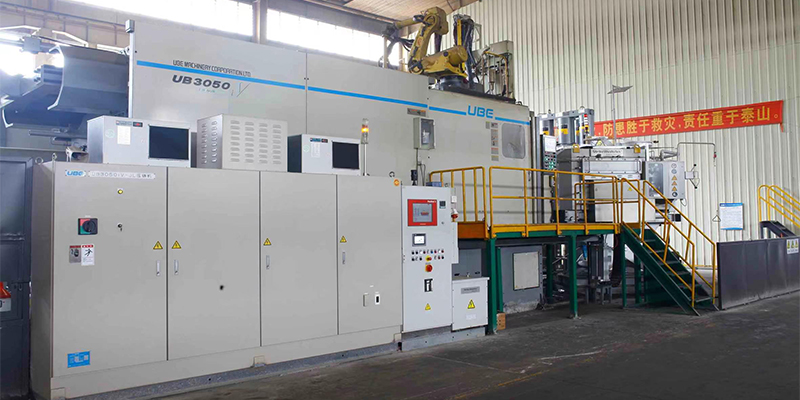
For the truly monumental components of the new energy vehicle era, such as the single-piece battery trays or crucial structural beams, we turn to the giants of the die casting world: the 3050T machines. These are not just bigger machines; they are specialized engineering marvels. They are designed to handle parts that are both physically very large and extraordinarily complex. My experience on the front lines for new energy vehicle projects often brings me face-to-face with the demands for such large components. For example, a single-piece battery tray may span the entire underbody of an electric vehicle. This means a huge projected area and, often, long flow distances for the molten aluminum.
Unleashing Capability: The 3050T Advantage
| Machine Capacity | Typical NEV Components | Unique Challenges Addressed | My Project Success Story |
|---|---|---|---|
| 3050T+ | Large battery trays, full-sized motor housings, structural beams, body-in-white components. | Extreme projected area, long flow paths, stringent weight/strength targets. | Successfully cast a 1.8m x 1.2m battery tray; reduced assembly steps, improved rigidity. |
| High demands for internal integrity, crashworthiness. | Produced large front structural components, ensuring critical crash performance. |
The ability to cast these large parts as a single piece is a major benefit for automotive OEMs. It reduces the number of assembly steps, simplifies the supply chain, and often improves the structural rigidity and safety of the vehicle. For a large battery tray, the design often incorporates various functional elements, like cooling channels and mounting points. The 3050T machine gives us the capability to fill these extensive and intricate cavities completely with uniform quality. I specifically recall leading the development for one of our customers, a German Tier 1, for a large structural battery housing. The projected area was immense. It needed a machine with extreme clamping force. The 3050T machine allowed us to maintain very high injection pressures evenly across the entire surface. This ensured a full, dense, and defect-free casting. We achieved a complex part design in one shot. This reduced weld lines and improved overall structural integrity. This kind of scale and precision, delivered by such a powerful machine, revolutionizes what is possible in EV manufacturing. It directly contributes to the lightweighting of parts and the overall vehicle performance.
Matching Tonnage to Wall Thickness, Alloy Flow, and Production Efficiency – A Practical Guide?
Struggling to optimize your die casting process? Incorrect tonnage choice impacts part quality, cost, and lead times. Learn how to strategically link tonnage to critical casting parameters for peak efficiency.
Matching tonnage means considering wall thickness, melt flow distance, and desired production efficiency. Thinner walls and longer flow paths often need higher injection speeds and pressures, pushing tonnage requirements up. Always calculate projected area pressure, plus a safety factor, to ensure optimal performance.
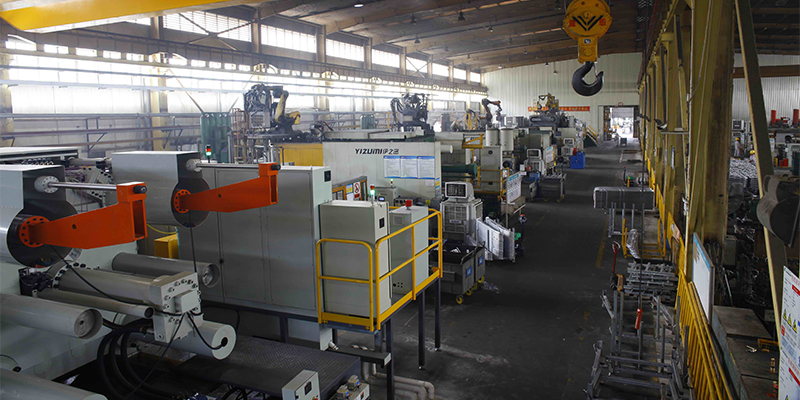
Matching tonnage effectively is a delicate balance. It is not just about the largest machine you have available. It is a strategic decision that affects everything from part quality to production cost. My years on the production floor taught me that process engineers must look at wall thickness, how far the alloy needs to flow, and how many parts we need per hour. These factors directly influence injection speed, pressure, and ultimately, the necessary clamping force.
Key Factors in Tonnage Selection
| Factor | Impact on Tonnage Requirement | Why It Matters (My Perspective) | Action in My Team |
|---|---|---|---|
| Projected Area | Directly proportional to tonnage needed. | This is the starting point formula. It is non-negotiable. | We calculate this first using CAD data. |
| Wall Thickness (Thin) | Often needs higher injection pressure/speed, thus more tonnage. | Very thin walls fill well under higher pressure; prevents premature solidification. | We use simulation to confirm pressure needed and adjust tonnage. |
| Alloy Flow Distance | Longer distances need higher injection pressure, more tonnage. | Molten metal cools quickly. It needs a push for long paths. | We optimize gate design and shot profile, then confirm tonnage. |
| Alloy Type | Some alloys require different fill pressures. | Different alloys have different flow characteristics. | We use specific alloy data in our calculations. |
| Desired Production Rate | Faster cycles can mean higher injection strain, more tonnage for robustness. | A stable process at high speed is crucial for meeting customer demand. | We build in a safety factor for high-volume jobs. |
| Part Complexity | Intricate features can increase resistance and pressure. | Complex parts are harder to fill uniformly. | We simulate complex areas to avoid short shots. |
One common mistake I see is when customers assume a part can fit on a smaller machine just because its overall dimensions are not "huge." However, take a look at parts with very thin walls and long flow paths, like some EV cooling plates. Even if the part’s overall footprint is moderate, those thin, long sections demand very high injection pressures to ensure a complete fill before the metal solidifies. This pushes the required clamping force up significantly. So, a part that might seem suitable for a 1000T machine could actually need a 1600T machine just to handle the injection pressures needed for those thin walls. At EMP Tech, we never guess. We use advanced mold flow simulation software during DFM analysis. This lets us accurately predict the required injection pressure, and from there, calculate the exact tonnage. This method, combined with our 20 years of hands-on experience, allows us to select the optimal machine every time. It reduces the risk of flashing, porosity, and short shots. This approach ensures consistent quality, leading to better parts and happier customers.
Conclusion
Choosing the correct die casting machine tonnage is vital for quality, cost, and efficiency. We match tonnage scientifically, considering part size, wall thickness, and flow dynamics. This ensures optimal casting performance for every automotive component.


