Author name: Stan

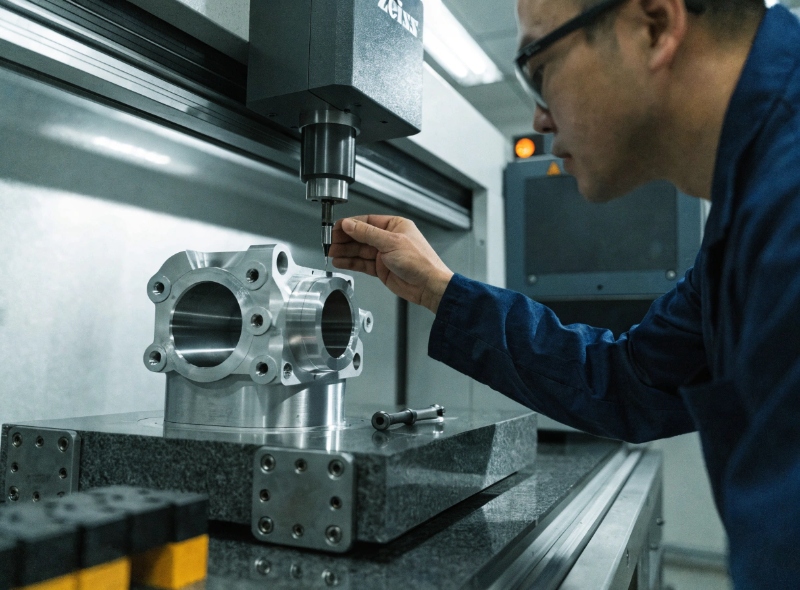
ISO 9001 Aluminum Die Casting: ensuring Quality and Consistency

In the world of metal manufacturing, the badge of quality is not just a certificate on the wall—it is the backbone of production. For procurement managers and sourcing engineers, finding a supplier that strictly adheres to ISO 9001 aluminum die casting standards is the first step in mitigating risk and ensuring supply chain stability. At […]

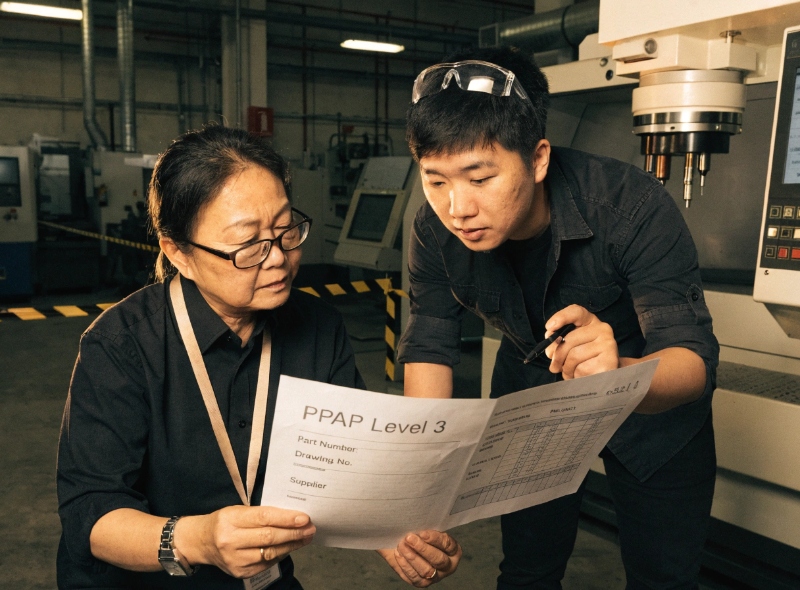
PPAP Ready Aluminum Casting: Accelerating Your Automotive Production

In the fast-paced automotive industry, the gap between a prototype and a mass-produced vehicle is defined by validation. For Tier 1 suppliers and OEMs, finding a supplier who delivers a PPAP ready aluminum casting is crucial to avoiding costly launch delays. At EMP Tech, we understand that a die-cast part is only as good as

Reliable Aluminum Die Casting Automotive Parts Supplier for Global OEMs

In the rapidly evolving automotive landscape, particularly with the surge of New Energy Vehicles (NEVs), selecting the right aluminum die casting automotive parts supplier is a strategic decision that impacts vehicle performance, safety, and time-to-market. As manufacturers push for lightweighting (lightweight construction) to increase EV range and reduce emissions, the demand for high-precision, high-strength aluminum

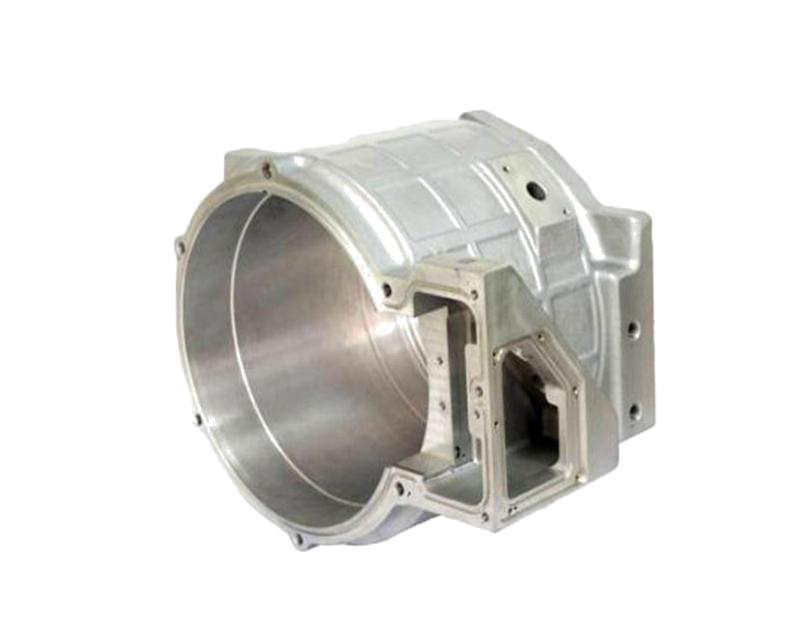
Case Study: Manufacturing High-Integrity PDU Housings for Commercial Vehicles (Al Alloy 43400)

In the commercial vehicle sector, power distribution units (PDUs) are the nervous system of heavy-duty electrification. They require housing that offers exceptional electromagnetic shielding, thermal dissipation, and structural durability against constant road vibration. At EMP Casting, we recently optimized a high-volume production line for a Tier 1 commercial vehicle client. By leveraging 1,000T High-Pressure Die

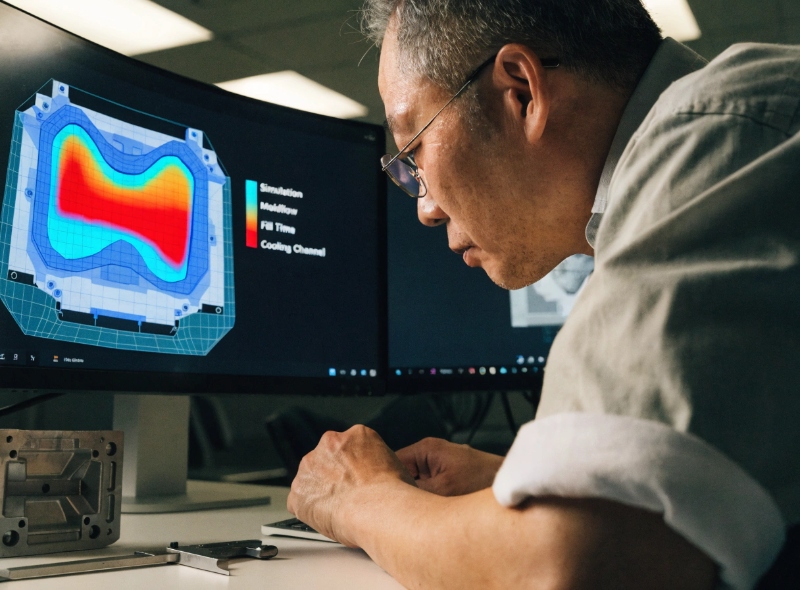
Vacuum High-Pressure Die Casting: The Ultimate Solution to Reduce Porosity in Automotive Aluminum Parts

In the competitive world of automotive manufacturing, component integrity is non-negotiable. As vehicles move toward lightweight designs to improve fuel efficiency and EV range, the demand for automotive aluminum parts has surged. However, one persistent challenge remains in the manufacturing process: porosity. For engineers and procurement managers, finding a way to reduce porosity is critical