

Are your die-cast parts failing from corrosion or wear long before their expected service life? These failures damage your product’s reputation and lead to expensive warranty claims and rework.
The best treatment depends on the specific need: anodizing for corrosion resistance, powder coating for robust protection and aesthetics, electroplating for wear resistance, and chemical conversion coatings as a primer for paint.
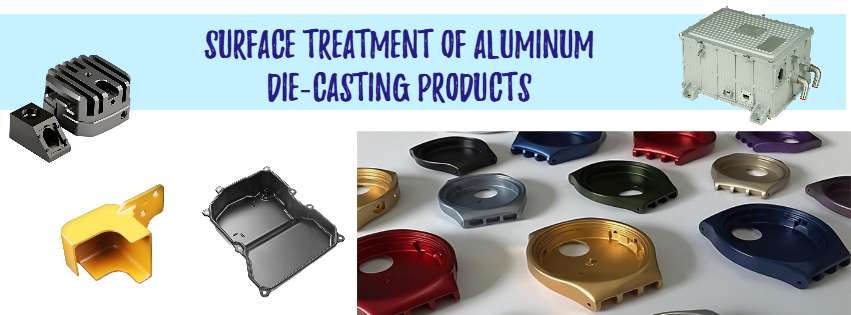
Choosing a surface finish is one of the most critical decisions in product development, and I’ve seen firsthand what happens when it goes wrong. A few years ago, a customer developing an outdoor electrical enclosure insisted on a simple paint finish to save costs. The parts looked great initially, but within a year, we started getting field failure reports. The paint was peeling off, and the aluminum underneath was corroding badly, especially around the steel fittings. The "cost-saving" paint job ended up costing them a fortune in replacements. This experience reinforced a core lesson for me: the part isn’t finished until it’s properly protected, and that means choosing the right protection for the job.
Why are surface treatments so important for aluminum die cast1 parts?
Do you assume that raw aluminum is naturally corrosion-resistant and good enough on its own? This common misconception can lead to unexpected field failures, especially in demanding applications or humid environments.
Surface treatments are crucial because the natural oxide layer on die-cast aluminum is thin and inconsistent. A professional treatment creates a thick, uniform, and robust barrier engineered to protect against specific threats like corrosion, wear, and chemical attack.
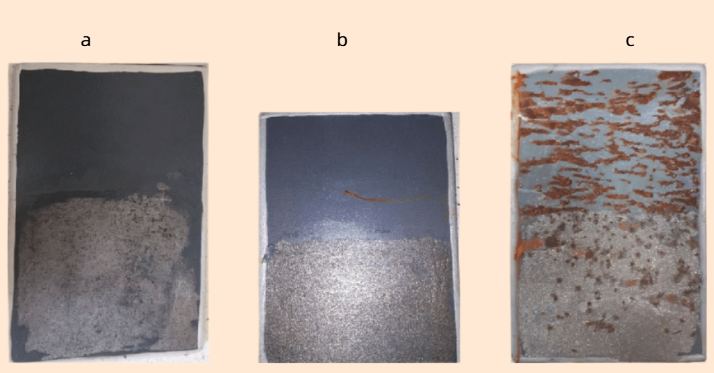
People often think of aluminum as a metal that doesn’t rust, and while that’s technically true, it definitely corrodes. When exposed to air, aluminum instantly forms a very thin layer of aluminum oxide. This layer does offer some protection, but on a die-cast part, it’s not reliable. The high silicon content in common alloys like A380 and the variability of the "casting skin" mean this natural layer has weak points. For a purchasing director or a quality engineer, relying on this is a huge gamble. Once that weak layer is breached, especially in the presence of moisture and other metals like steel screws (galvanic corrosion), the part will begin to degrade quickly. A professional surface treatment replaces that weak, natural layer with a man-made one that is thicker, stronger, and designed for a specific purpose.
Raw Aluminum vs. Professionally Treated
| Property | Raw Aluminum | Treated Aluminum |
|---|---|---|
| Corrosion Resistance | Poor to Fair | Good to Excellent |
| Wear Resistance | Poor | Good to Excellent |
| Appearance | Inconsistent, Dulls Over Time | Uniform, Consistent, and Customizable |
| Paint Adhesion | Poor | Excellent (with correct primer) |
When is anodizing the best choice for boosting durability?
Do you need parts that can survive harsh weather or constant exposure to corrosive elements? If so, a simple cosmetic finish is not going to be enough to prevent long-term failure.
Anodizing is the best choice when superior corrosion resistance and moderate wear resistance are your primary concerns. It creates a hard, ceramic-like layer that is integrated directly into the aluminum surface.
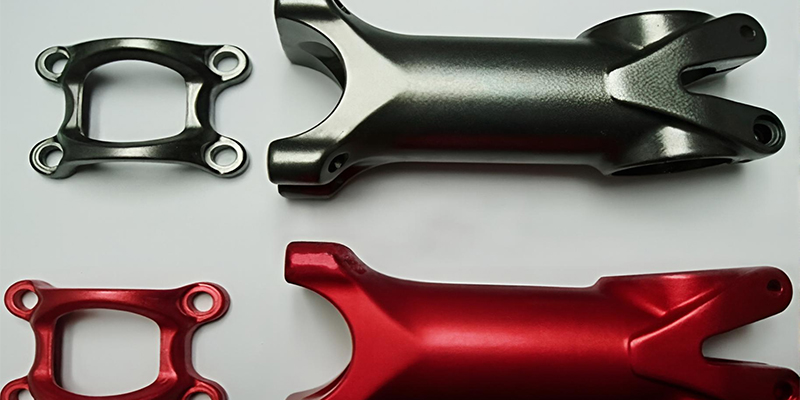
Anodizing is not a coating that sits on top of the part; it’s a process that grows a protective layer out of the aluminum itself. We do this by submerging the part in an acid bath and passing an electrical current through it. This electrochemically grows a thick, structured layer of aluminum oxide, which is essentially a very hard ceramic. This layer is much thicker and more organized than the natural oxide layer, making it incredibly resistant to corrosion. Because it is part of the aluminum, it cannot chip or peel off like paint. For a Tier 1 supplier making parts for an automotive chassis2 or an external housing, this is a key advantage. The porous nature of the anodic layer before sealing also allows it to be dyed, giving you durable colors like black, bronze, or gray.
Types of Anodizing
- Type II (Sulfuric Acid Anodizing): This is the most common type. It provides excellent corrosion resistance and a good surface for coloring. It’s perfect for most automotive enclosures, electronic housings, and architectural parts.
- Type III (Hardcoat Anodizing): This process uses higher currents and colder temperatures to create an even thicker and harder layer. It’s used when exceptional wear and abrasion resistance is needed, such as for pistons or high-wear industrial components.
How does powder coating provide long-lasting protection?
Are you looking for a finish that is not only tough and durable but also offers a high-quality cosmetic appearance in a wide range of colors? Paint can chip, but you need something more robust.
Powder coating provides a thick, uniform, and very durable polymer finish. It is much tougher than liquid paint, offering excellent resistance to chipping, scratching, and fading while providing great corrosion protection.
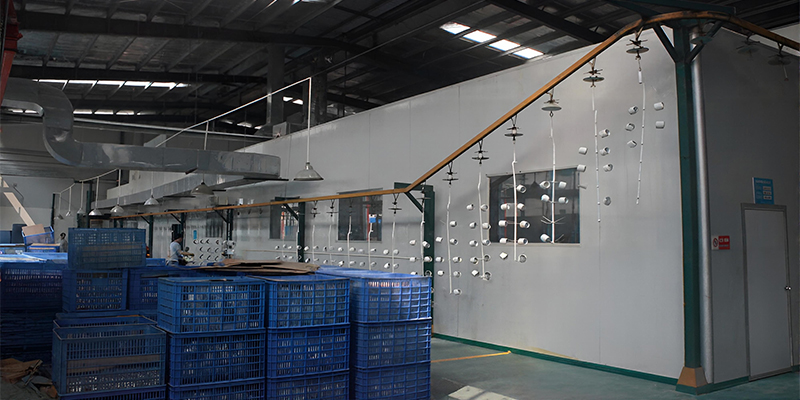
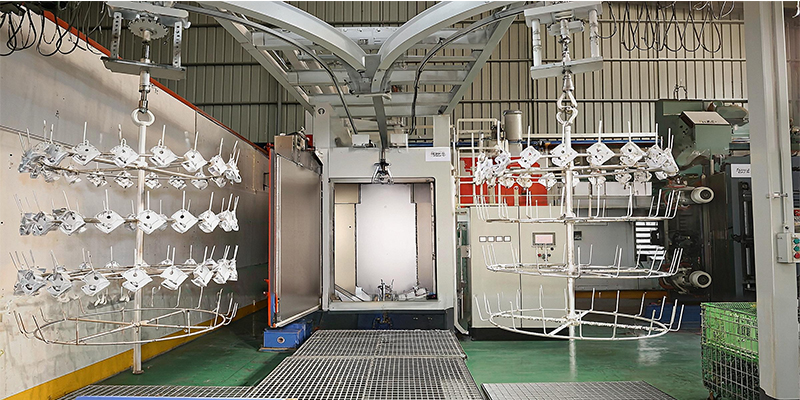
I always explain powder coating to my customers as "painting with plastic powder." Instead of using a liquid solvent, we apply a dry, finely ground powder of pigment and resin to the part using an electrostatic spray gun. The gun gives the powder particles an electrical charge, which makes them stick to the grounded aluminum part like a magnet. This process creates a perfectly even layer, even on complex shapes. The part is then moved into a curing oven, where the heat melts the powder, causing it to flow together and form a smooth, hard, and continuous coating. The result is a finish that is significantly thicker and more durable than conventional liquid paint. It’s a fantastic choice for parts that need to look good while also standing up to impacts, chemicals, and UV exposure. Think of EV battery enclosures or visible structural components.
What makes electroplating the solution for wear resistance?
Do your parts have a sliding surface or a bearing bore that wears out too quickly? When you need an extremely hard, low-friction surface, even hardcoat anodizing might not be enough.
Electroplating deposits a thin layer of another metal, like nickel or chromium, onto the part. This is the best method for creating a surface with exceptional hardness and lubricity for high-wear applications.
Electroplating is a different concept entirely. Here, we are adding a completely different material to the surface of the aluminum. The most common method I recommend for wear resistance on aluminum is Electroless Nickel (EN) plating. Unlike electroplating, this process uses a chemical reaction to deposit a layer of nickel-phosphorus alloy onto the part’s surface. The biggest advantage is that it creates a perfectly uniform layer, even inside deep bores and complex internal features, which is something standard electroplating struggles with. This nickel layer is incredibly hard, often harder than tool steel, and it has a natural lubricity that reduces friction. I worked on a project for an industrial automation company that had a die-cast part with a pneumatic cylinder bore. The raw aluminum was wearing out in months. After we applied an EN coating, the parts were lasting for years in the field. It’s the go-to solution for any application involving sliding or rotating contact.
When should you use chemical conversion coatings?
Do you need to paint your aluminum parts but find that the paint scratches off or bubbles up over time? The problem isn’t your paint; it’s the lack of a proper bond between the paint and the metal.
Chemical conversion coatings create a thin, inert film on the aluminum surface. They offer mild corrosion resistance on their own but are primarily used to create an exceptionally adhesive base for paint or powder coating.
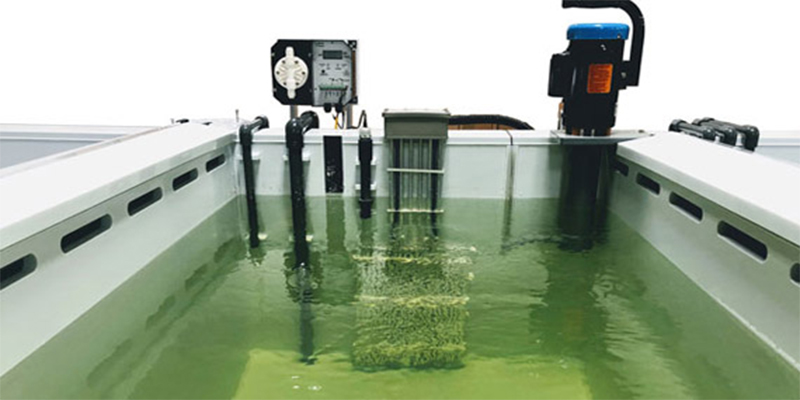
A chemical conversion coating, often called chem film or by the trade name Alodine, is a critical but often misunderstood process. You can think of it as the ultimate primer. The process involves dipping the aluminum part into a chemical bath that lightly etches the surface and deposits a thin, inert film. This film is chemically bonded to the aluminum and has a microscopic structure that gives paint something to "grab onto." It dramatically improves the adhesion of any subsequent paint or powder coat layer. In our salt spray tests, a powder-coated part with a proper conversion coating underneath will last 3-4 times longer than the exact same part without it. The coating prevents corrosion from creeping under the paint if it gets scratched. For any SQE or purchasing director who specifies painted parts, ensuring the supplier uses a quality conversion coating like chromate or a RoHS-compliant non-chrome alternative is an easy way to guarantee better long-term performance.
Conclusion
The durability of your die-cast part is defined by its finish. Choosing the right treatment—anodizing, powder coating, plating, or conversion coating—is essential for ensuring long life and reliable performance.


