

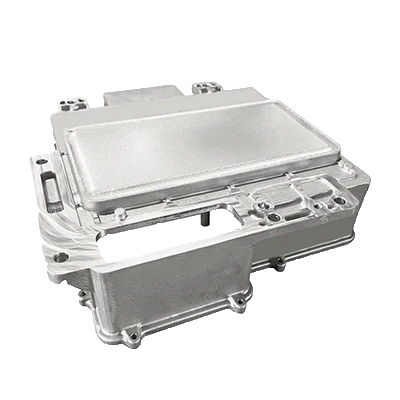
A controller housing is a protective enclosure designed specifically to house and safeguard electronic controllers in automotive systems. Typically manufactured from high-pressure die-cast aluminum, these housings are critical for ensuring the reliability and durability of advanced automotive electronics, such as engine control units (ECUs), transmission controllers, battery management systems, and other vital modules.
What Is a Controller Housing?
A controller housing is an aluminum enclosure that shields sensitive electronic components from external threats—including moisture, dust, heat, vibrations, and electromagnetic interference (EMI). Designed for precision and tailored to the exact requirements of the electronic module, a robust controller housing ensures seamless operation and longevity even under harsh automotive conditions.
Key Benefits of Aluminum Die-Cast Controller Housings
| Benefit | Description |
|---|---|
| Lightweight & Strong | Aluminum’s low weight and high strength reduce overall vehicle mass without compromising safety. |
| Heat Dissipation | Excellent thermal conductivity helps manage and dissipate excess heat from electronic circuits. |
| Corrosion Resistant | Naturally resists rust and environmental degradation over years of operation. |
| EMI Shielding | Protects sensitive electronics from electromagnetic disturbance, ensuring reliable function. |
| Precision Machined | Enables complex shapes, tight tolerances, and integration of mounting features or connectors. |
Typical Applications of Controller Housings in the Automotive Industry
- Engine Control Units (ECUs)
- Transmission Control Modules
- Battery Management Systems (EVs and hybrids)
- ADAS (Advanced Driver Assistance Systems) Controllers
- Infotainment and Gateway Controllers
Why Use Die-Cast Aluminum for Controller Housings?
Die-cast aluminum is the leading choice for controller housings due to its:
- High dimensional accuracy: Suitable for complex electronics and compact module integration
- Thermal management properties: Prevents overheating and prolongs component life
- Lightweight: Helps manufacturers meet strict fuel economy and emission standards
- Strength and durability: Withstands harsh mechanical and environmental conditions
Material Comparison Table
| Property | Die-Cast Aluminum | Stamped Steel | Plastic Injection Molding |
|---|---|---|---|
| Weight | Light | Heavy | Light |
| Corrosion Resistance | Excellent | Good | Excellent |
| EMI Shielding | Excellent | Good | Poor |
| Heat Dissipation | High | Moderate | Low |
| Precision in Shaping | Excellent | Moderate | High |
Features of a Well-Designed Controller Housing
- Custom fits for specific controller dimensions
- Integrated cooling fins and ventilation slots
- Protection grade up to IP67 or higher (for water and dust proofing)
- Dedicated mounting points and cable management channels
- Labeling and traceability features
How to Choose the Right Manufacturer for Controller Housings
When selecting a die-casting partner for controller housings, consider:
- Automotive industry experience
- Precision engineering and customization capabilities
- ISO 9001 / IATF 16949 certification
- Integrated services: Design, prototyping, machining, and assembly
- Proven quality control and on-time delivery
Conclusion
As modern vehicles become increasingly dependent on complex electronics, reliable controller housings are critical for protecting vital systems. Die-cast aluminum controller housings deliver unmatched strength, protection, and heat management—ensuring performance and safety for the life of the vehicle.
Looking for custom aluminum controller housings for automotive electronics? Contact our engineering team for expert support and a quote tailored to your requirements!


