

Custom die casting parts have become indispensable in the automotive industry, offering superior performance, design flexibility, and cost efficiencies. As automotive manufacturers strive to meet increasing demands for lightweight, durable, and precise components, custom aluminum die casting stands out as the preferred solution.
What Are Custom Die Casting Parts?
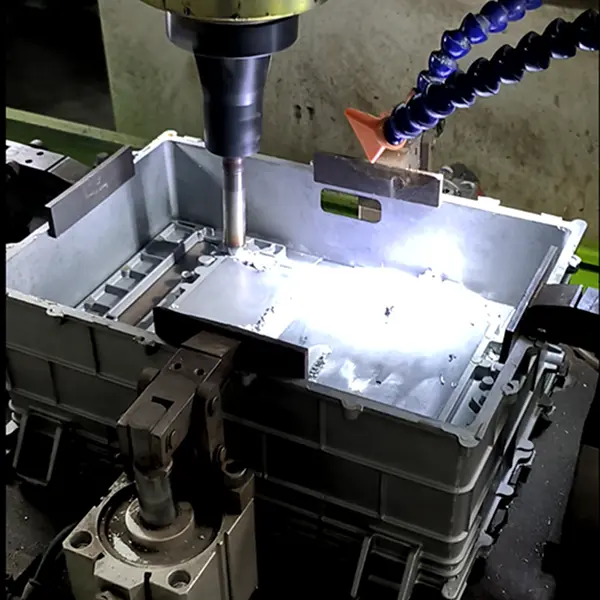
Custom die casting parts are precision-engineered components produced through the die casting process, tailored to meet specific requirements of automotive applications. These parts are made by injecting molten aluminum into high-precision steel molds (dies), resulting in complex shapes and intricate details that cannot be achieved through other manufacturing methods.
Advantages of Custom Die Casting for Automotive Parts
| Advantage | Description |
|---|---|
| Precision | Die casting delivers parts with tight tolerances and smooth surfaces. |
| Design Flexibility | Enables creation of complex and customized geometries. |
| Durability | Aluminum die castings offer excellent mechanical and corrosion resistance. |
| Lightweight | Reduces vehicle weight, improving fuel efficiency and reducing emissions. |
| Cost Efficiency | Mass production lowers per-unit costs and speeds up delivery times. |
Common Applications of Custom Die Casting in Automotives
- Engine blocks and housings
- Transmission components
- Chassis brackets and supports
- Steering and suspension parts
- Heat sink modules for EVs
Why Choose Aluminum for Custom Die Casting Parts?
Aluminum is widely favored for custom die casting parts in the automotive sector due to:
- Lightness: Cuts down on weight, improving vehicle performance.
- Strength-to-Weight Ratio: Provides robust components without compromising safety.
- Corrosion Resistance: Ideal for parts exposed to harsh automotive environments.
- Recyclability: Supports sustainability efforts in automotive manufacturing.
Structural Properties Comparison: Aluminum vs. Other Metals
| Property | Aluminum Die Casting | Steel Stamping | Plastic Injection Molding |
|---|---|---|---|
| Density (g/cm³) | ~2.7 | ~7.8 | ~1-1.5 |
| Typical Applications | Exterior, engine | Frames, heavy | Interior, non-load |
| Strength | High (optimized) | Very high | Moderate |
| Corrosion Resistance | Excellent | Moderate | Excellent |
| Recyclability | High | High | Varies |
How to Source Custom Die Casting Parts Effectively
When selecting a manufacturer for custom die casting parts, consider:
- Industry Experience: Years in die casting for automotive applications.
- Design Capability: Ability to work from CAD drawings and reverse engineering.
- Quality Certifications: ISO 9001, IATF 16949, and other automotive standards.
- Production Capacity: Scalability for high-volume projects.
- Post-Casting Services: Machining, finishing, and assembly.
Why Work With a Specialist Automotive Die Casting Manufacturer?
Working with an experienced die casting manufacturer ensures:
- High-quality custom parts that meet automotive standards
- Reduced lead times through advanced manufacturing processes
- Efficient communication and project management from prototype to mass production
Conclusion
Custom die casting parts play a pivotal role in automotive innovation, offering manufacturers the edge they need to produce lighter, stronger, and more efficient vehicles. By partnering with a trusted die casting manufacturer, automotive companies can leverage the full benefits of precision, durability, and scalability for their unique application needs.
Need custom die casting parts for your automotive project? Contact our expert team to discuss design solutions and get a quote today!


