What Modern Automotive Components Demand from Die Casting Manufacturing

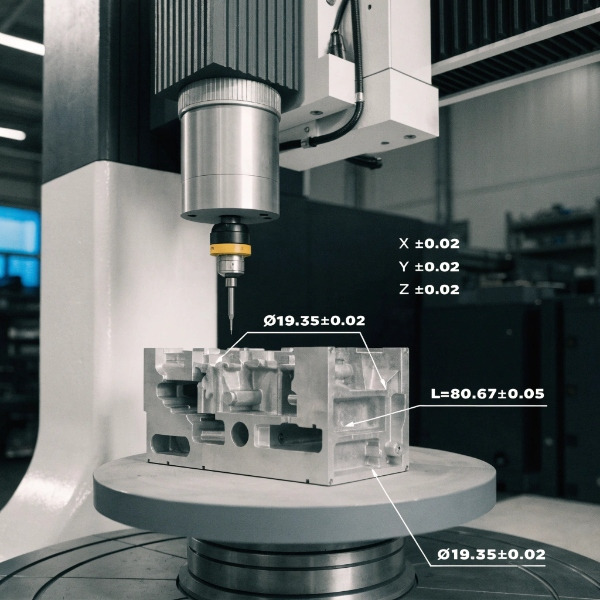
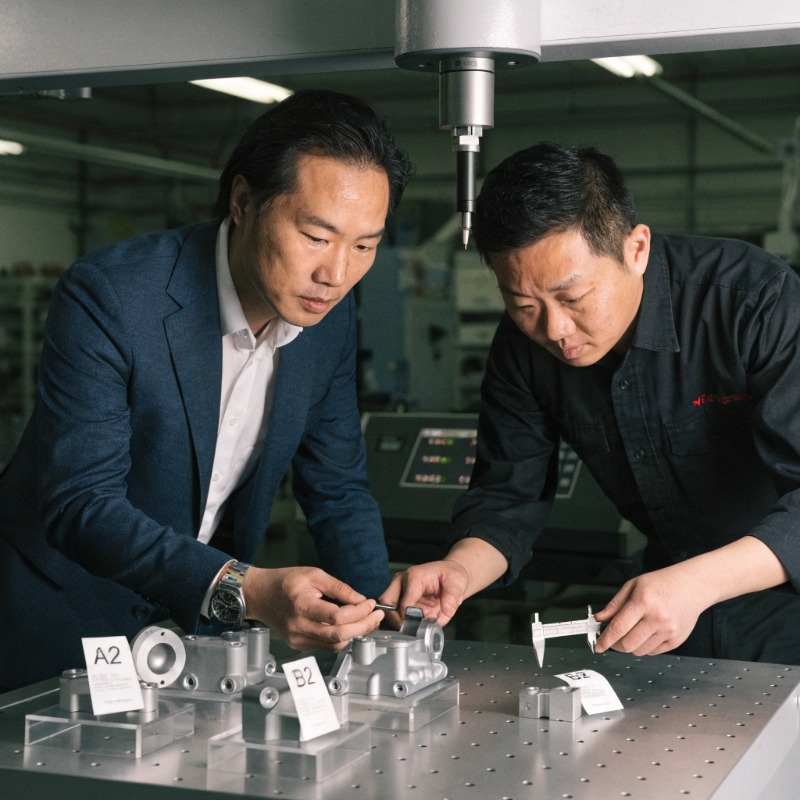
The automotive industry’s shift toward electrification and lightweight construction has fundamentally changed what manufacturers expect from their suppliers. Today, producing aluminum die cast components for vehicles—especially new energy vehicles (NEV)—is no longer just about delivering parts. It demands engineering collaboration, process integration, and rigorous quality systems. At EMP Tech, we approach these challenges through a […]

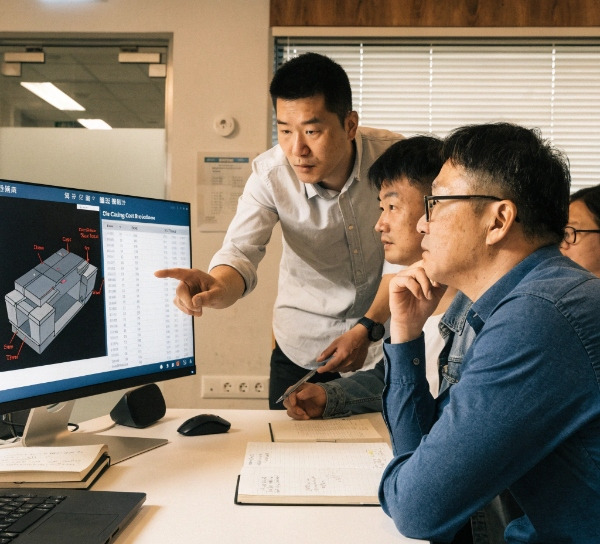
How DFM Analysis Reduces Die Casting Defects

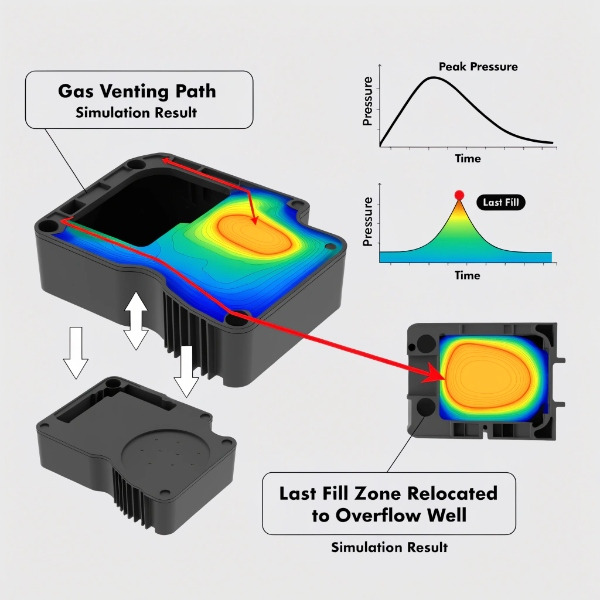
In the fast‑evolving world of automotive manufacturing, die casting remains a cornerstone process for producing lightweight, high‑strength components—from engine blocks and transmission housings to structural nodes and battery enclosures for electric vehicles. Yet, as part geometries grow more complex and performance demands tighten, casting defects such as porosity, cold shuts, and shrinkage cavities become critical

Thin Wall Aluminum Die Casting for Automotive: What Really Matters?

A thin-wall die casting project can fail fast. Parts warp, leak, crack, or miss cycle time. I will show you the key points that protect launch timing. Thin wall aluminum die casting for automotive works best when I control wall thickness, flow length, vacuum, thermal balance, alloy choice, and machining strategy together. Most failures come

A356 aluminum gravity casting vs die casting: which should you choose?

Choosing the wrong process breaks your launch. Cracked parts, leaks, and missed PPAPs hit you at once. I help you choose with clear rules and shop-floor facts. Choose A356 gravity casting for thicker, heat‑treated, weldable parts that need high ductility or leak‑tightness. Choose die casting for thin walls, tight tolerances, high volume, and fast cycles.

How do we achieve zero defects in AlSi10Mg die casting for EV structures?

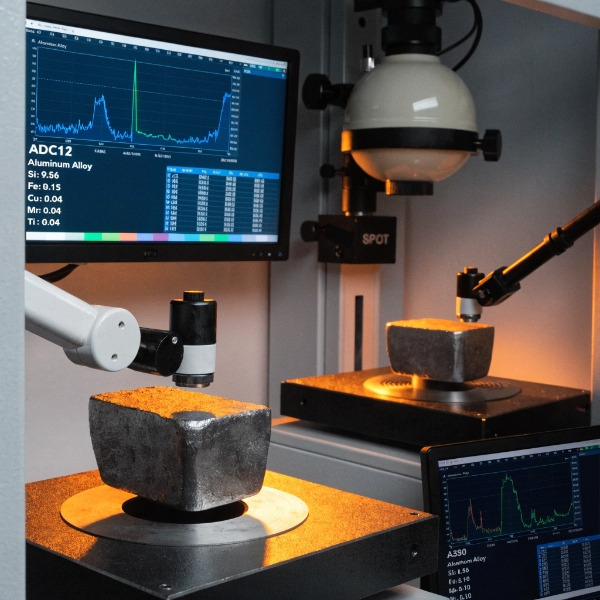
Brittle electric vehicle structural parts cause terrible crashes. Product recalls cost your company millions. We solve this deadly problem. You get perfect AlSi10Mg components for your battery housings. You achieve zero defects by combining high vacuum technology with precise heat treatment. We control the exact iron content. We optimize the gate design. This process eliminates

How Friction Welding Ensures Superior Sealing and Durability for EV Control Units

Electric vehicle (EV) control units—often called the “brains” of the powertrain—house sensitive electronics that manage battery distribution, inverters, and motors. Unlike traditional automotive components, these enclosures must survive constant vibration, extreme thermal cycling, and exposure to moisture without any degradation over the vehicle’s lifetime. Traditional sealing methods often fall short. Silicone gaskets and liquid sealants