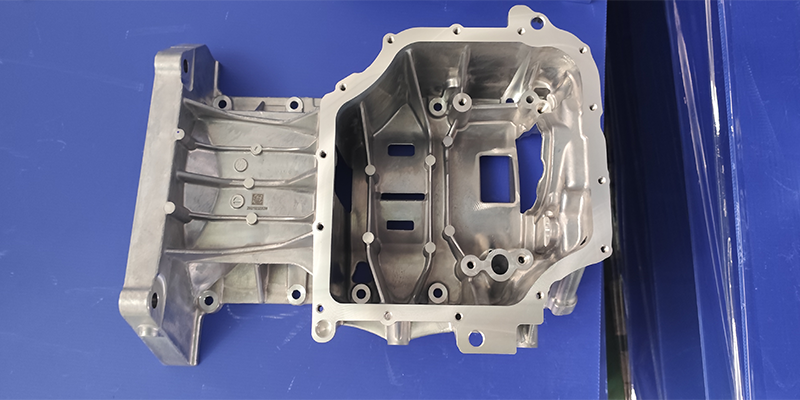
electric vehicle parts

Automotive Die Casting vs Forging: Which Is Better for OEMs?

Automotive Die Casting vs Forging: Which Is Better for OEMs? When engineering automotive components for high-volume production, the choice of manufacturing process dictates not only the mechanical limits of the part but also the economic viability of the entire vehicle platform. For decades, the debate between automotive die casting1 and forging has been a strict […]

5 Hidden Design Failures in EV Motor Housing (Most Engineers Miss)

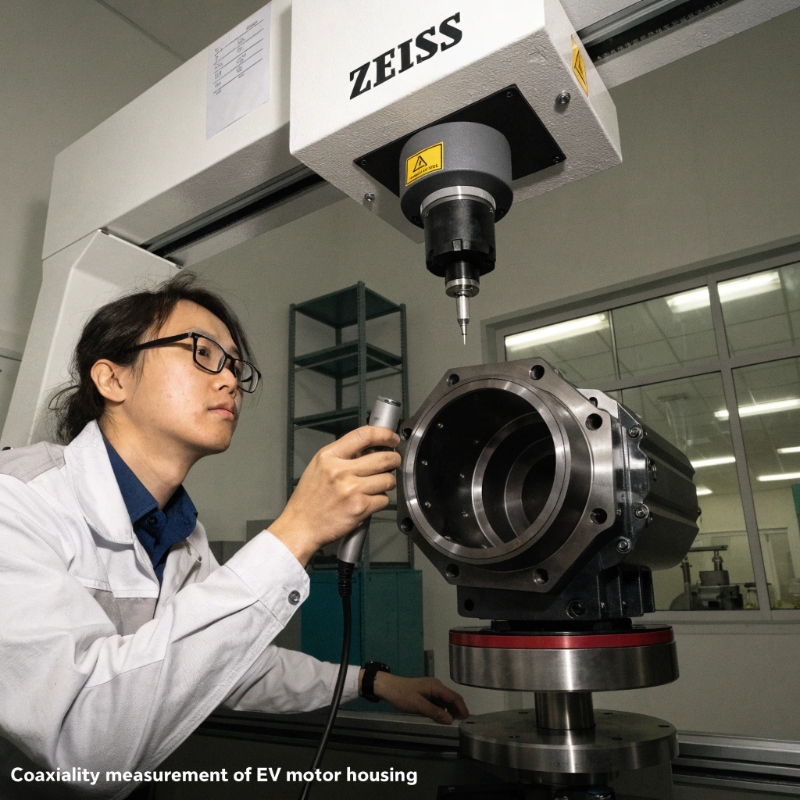
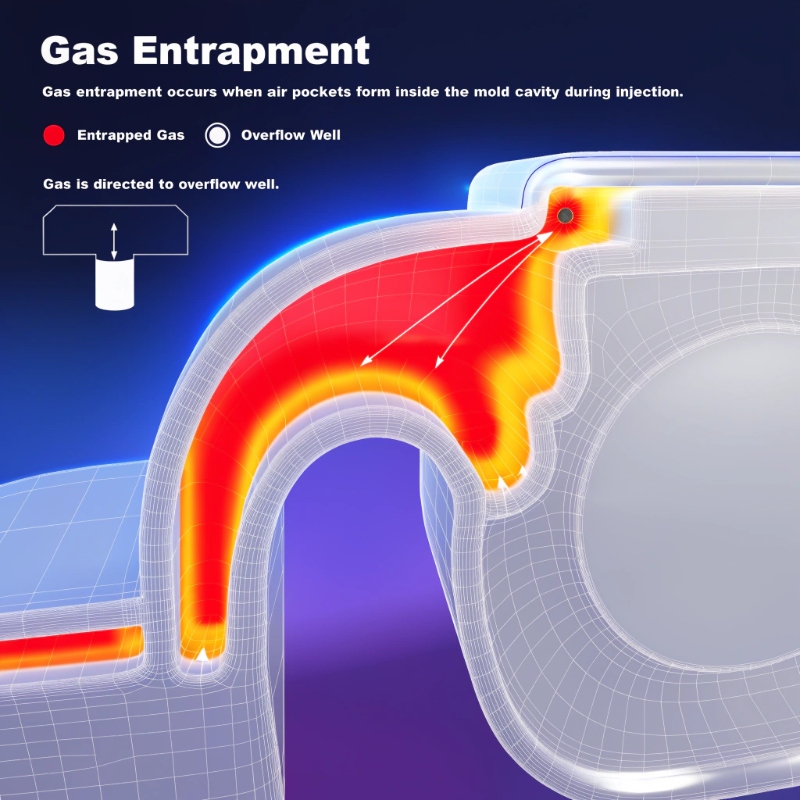
A CAD model of an EV motor housing always looks flawless on a screen. The cooling channels are perfectly symmetrical, the walls are uniformly thin, and the O-ring grooves are sharply defined. But when that 3D model hits the foundry floor and molten aluminum is injected at 5 meters per second, the reality of physics

How Can We Master High-Pressure Die Casting for Next-Gen Automotive & Lightweighting Solutions?

Are your current manufacturing strategies falling short in delivering the precision, lightweighting, and durability demanded by next-gen automotive and other advanced industries? Traditional approaches often struggle with evolving performance requirements. Mastering High-Pressure Die Casting (HPDC) involves integrating advanced alloy development, precise process control, innovative mold design, and meticulous defect management to meet the stringent demands

What Are the Game-Changing Benefits of High-Pressure Die Casting Aluminum Alloys for EVs?

Are you wondering how Electric Vehicles (EVs) are pushing the boundaries of performance, safety, and efficiency? The answer often lies in the advanced manufacturing techniques and materials used, particularly High-Pressure Die Casting (HPDC) aluminum alloys. High-Pressure Die Casting aluminum alloys offer game-changing benefits for EVs by enabling superior structural integrity and crash safety, excellent thermal

What Is The Impact of High-Pressure Aluminum Die Casting on Electric Vehicle Performance?

Are you wondering how Electric Vehicles (EVs) are achieving their remarkable improvements in range, safety, and overall efficiency? The key often lies hidden within the manufacturing processes and materials used for their critical components. High-Pressure Aluminum Die Casting significantly impacts EV performance by enabling lightweighting for extended range, enhancing structural integrity for safety, and providing

How Can We Optimize the Aluminum Alloy Die Casting Process for Automotive Shock Towers?

Are you struggling to produce automotive shock towers that meet the stringent demands of electric vehicles for lightweighting, structural integrity, and noise-vibration-harshness (NVH) control? Traditional manufacturing methods often fall short. Optimizing the aluminum alloy die casting process for automotive shock towers involves fine-tuning parameters for maximum lightweighting, superior structural integrity, excellent NVH control, and consistent