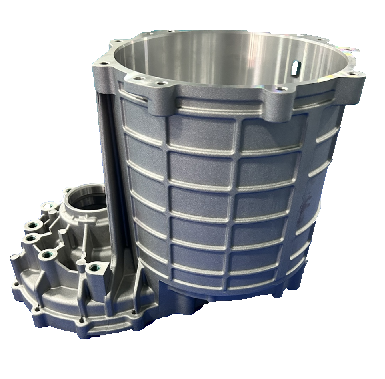
Why Is Aluminum the Go-To Material for EV Motor Housings?

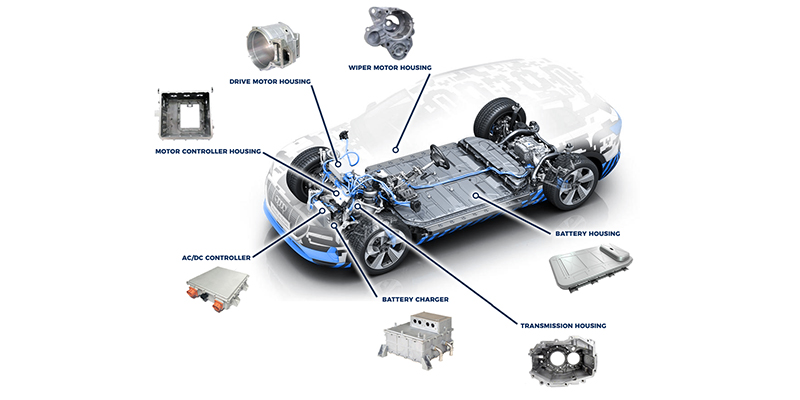
Your EV motor needs to be light and run cool. The wrong housing material leads to overheating and reduced range, compromising the entire vehicle’s performance and reliability, a major concern for engineers. Aluminum is the top choice for EV motor housings because it is lightweight, strong, and excellent at dissipating heat. The die casting process […]

What Are the Most Common Defects in Aluminum Die Casting and How Do You Fix Them?

Defective parts lead to production delays, quality holds1, and costly recalls. A single bad batch can jeopardize your project timeline, damage your brand’s reputation, and frustrate your entire team. The most common defects are porosity, cold shuts, hot tears, and dimensional warpage. These are not random flaws; they are symptoms of controllable issues in the

What Makes Aluminum Die Casting Parts So Advantageous?

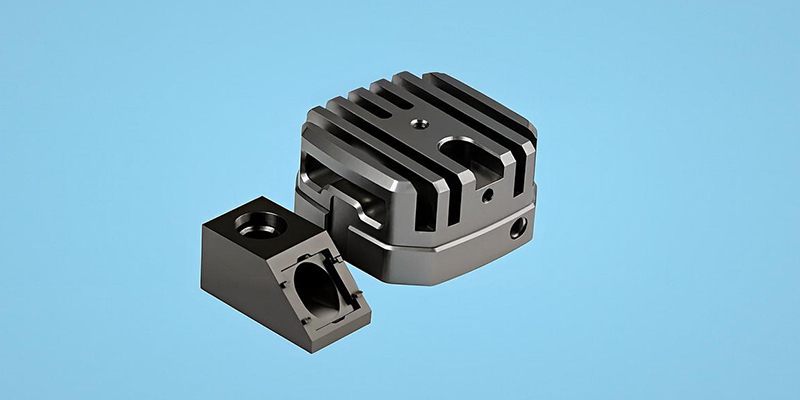
You’re designing a new component and face a tough choice. You need precision, strength, and lightweight properties, but you also need to manage costs for mass production. It feels like a compromise is unavoidable. Aluminum die casting delivers a unique combination of high dimensional accuracy, excellent strength-to-weight ratio, superior thermal conductivity, and remarkable cost-efficiency in

How Does Aluminum Die Casting Make EV Production More Sustainable?

Producing eco-friendly cars with unsustainable methods doesn’t make sense. Heavy materials and wasteful manufacturing processes undermine the very promise of electric vehicles, creating a hidden environmental cost for every car built. Aluminum die casting makes EV production sustainable by enabling lightweighting for better energy efficiency, utilizing highly recyclable material in a closed-loop system, and consolidating

Which Metal Is Used in an Inverter?

Specifying the wrong metal in an inverter can cause poor electrical performance, overheating, and total failure. This can destroy expensive electronics and lead to critical system breakdowns in applications like electric vehicles. Inverters use a combination of metals, primarily copper for its high electrical conductivity in busbars and windings, and aluminum for lightweight, thermally conductive

What Is the Housing Material of Electric Motors?

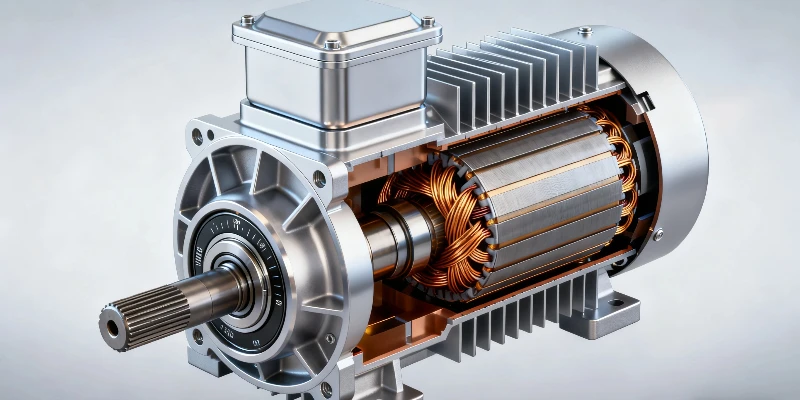
Choosing the wrong material for a motor housing1 can lead to overheating, vibration, or excessive weight. These issues can cause premature motor failure, reduce overall efficiency, and lead to costly field problems. Electric motor housings are most commonly made from aluminum alloys, cast iron, and steel. Aluminum is favored for its light weight and excellent