

Electric vehicle failures often start with poor component protection. A cracked or leaking PDU housing risks the entire high-voltage system. Choosing the right aluminum die-casting process is the only safety guarantee.
A high-quality PDU housing requires aluminum alloy die casting to ensure excellent thermal conductivity, EMI shielding, and an IP67 waterproof rating. It must undergo rigorous leak testing and CNC machining to protect sensitive electronic components from harsh road environments.
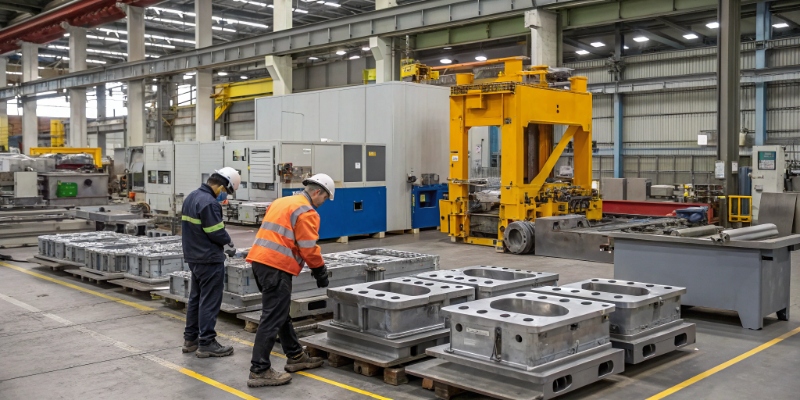
I often see designs that look perfect on a computer screen but fail in the foundry. This gap between design and reality costs money. We need to bridge that gap. Let’s look at the specific challenges we face.
Which Aluminum Alloy Best Suits PDU Housing Needs?
Selecting the wrong material leads to corrosion and structural weakness. You cannot afford a recall due to a brittle housing shell or poor casting performance.
ADC12 and A380 are the standard choices for PDU housings. They offer the best balance of fluidity for complex molds, mechanical strength for impact resistance, and cost-effectiveness for mass production.
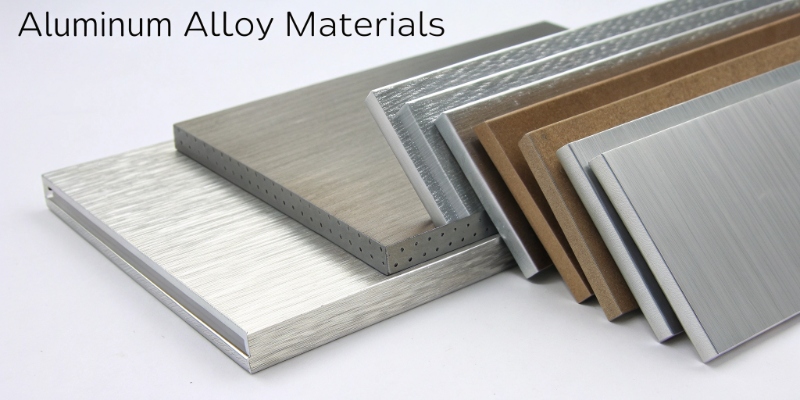
I have worked with materials for over 20 years. The choice of alloy determines the success of the PDU housing. Most of my clients in Germany and the US start by asking about strength. However, fluidity is just as important. The PDU housing has thin walls and complex ribs. The metal must fill the mold fast before it cools down.
If the metal does not flow well, you get cold shuts. This makes the part weak. We usually recommend ADC12 (Japanese standard) or A380 (American standard). These alloys have high silicon content. Silicon helps the metal flow like water. It also reduces shrinkage when the metal turns solid.
Here is a simple comparison of the materials we use often:
| Material | Fluidity | Strength | Thermal Conductivity | Common Use |
|---|---|---|---|---|
| ADC12 | Excellent | High | Good | Complex thin-wall parts |
| A380 | Very Good | Medium-High | Good | General automotive parts |
| AlSi10Mg | Good | High | Excellent | Structural parts (often T6) |
Sometimes, a client needs better heat transfer. In those cases, we might look at AlSi10Mg. But for 90% of PDU projects, ADC12 is the right choice. It balances cost and performance. We must define this at the start. Changing material later means changing the mold shrinkage rate. That ruins the tooling budget.
How Do We Solve Leakage Issues in Die Casting?
Porosity is the nightmare of every die casting engineer. Even micro-cracks can destroy the waterproof rating required for high-voltage parts in wet road conditions.
Controlling mold temperature and optimizing the gate system are key. We use vacuum die casting and impregnation processes to eliminate air pockets and seal the metal structure effectively against water intrusion.
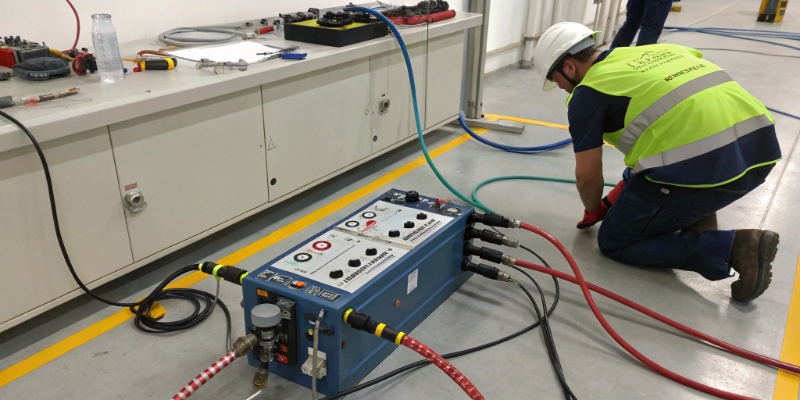
Water is the enemy of the PDU. These units carry high voltage. If water gets in, the car stops. The biggest challenge in die casting is air trapped inside the metal. We call this porosity. When I was a machine operator, I learned that you cannot remove all air. But you can manage it.
First, we use Mold Flow Analysis. This computer simulation shows us where the air bubbles will go. We design "overflow wells" in the mold. These are trash cans for the bad metal and air. The dirty metal goes there, and the clean metal stays in the part.
Second, we use vacuum valves. Just before we shoot the metal, the machine sucks the air out of the mold cavity. This creates a vacuum environment. It greatly reduces internal bubbles.
However, even with vacuum, leaks can happen. The wall thickness of a PDU housing varies. Thick sections cool slowly and create shrink holes. To fix this, we use impregnation. We put the finished parts in a tank with special sealant. We use vacuum and pressure to force the sealant into the microscopic pores. Then we cure it with heat. This guarantees the IP67 or IP68 rating. It is a necessary insurance policy for automotive quality.
Can Design Optimization Improve Heat Dissipation and Shielding?
Electronics inside the PDU generate massive heat and interference. If the housing traps heat, the system shuts down or catches fire, risking passenger safety.
Adding internal cooling fins and ensuring tight wall thickness tolerances improves thermal transfer. A continuous metal enclosure acts as a Faraday cage to block electromagnetic interference from disrupting other vehicle systems.
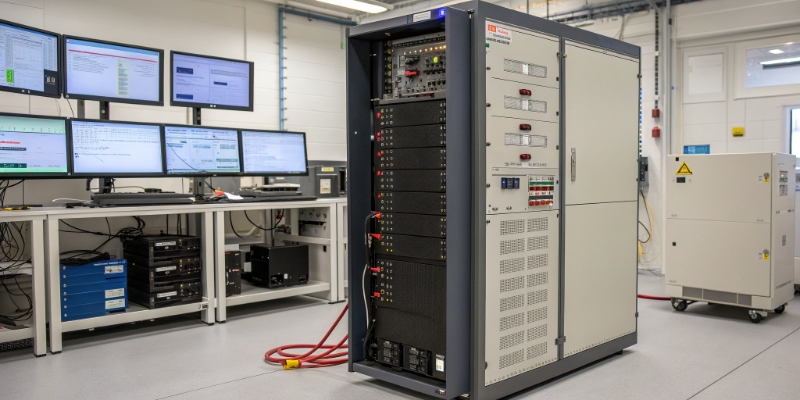
The PDU is not just a box. It is a heat sink. The relays and fuses inside get very hot. The aluminum housing must pull that heat away. Design plays a huge role here. I often advise engineers to add cooling fins on the outside. This increases the surface area. The wind hits the fins and cools the unit.
Inside the housing, we need flat surfaces. The electronic components sit on these surfaces. If the surface is rough, air gaps form. Air blocks heat transfer. We use CNC machining to make these surfaces perfectly flat. This ensures the thermal paste works correctly.
Then there is EMI (Electromagnetic Interference). High voltage creates noise. This noise can mess up the radio or the car’s computer. The aluminum housing acts as a shield. It blocks the noise. But the shield must be complete. The lid and the body must touch perfectly. We machine the mating groove for the seal very precisely. This creates a "Faraday cage."
Critical Design Features for Performance
- Cooling Fins: Taller is not always better. They must align with the airflow in the car.
- Wall Thickness: Keep it even. Sudden changes from thick to thin cause stress and warping.
- Draft Angles: We need slopes to get the part out of the mold. But too much slope reduces the contact area for electronics. We have to find a compromise.
Why Does Early DFM Analysis Save Project Costs?
Waiting until the mold is made to find errors is expensive. It delays the launch and kills the budget for the whole vehicle program.
DFM (Design for Manufacturing) identifies undercuts, draft angle issues, and hotspots before cutting steel. It aligns the design with the capabilities of the die-casting machine to prevent costly modifications later.

I have seen many projects fail because the designer did not talk to the caster. A designer draws a shape that looks good. But the mold cannot open, or the metal cannot fill it. This is where DFM saves us.
At EMP Tech, we start DFM before we quote the price. We look for "hotspots." These are thick areas that stay hot too long. They cause the part to bend when we take it out. We suggest coring out these thick areas to save weight and cycle time.
We also look at tolerances. A Tier 1 customer might ask for +/- 0.05mm on a cast surface. That is very hard in die casting. It requires frequent mold repair and high scrap rates. I will suggest moving that tolerance to a machined feature.
We also check the sliders. Sliders form the side holes. Complex sliders make the mold expensive and weak. Sometimes, a small design change eliminates a slider. This saves thousands of dollars in tooling.
Collaboration is the key. When the SQE, the buyer, and the die casting engineer sit down together early, we solve problems on paper. Fixing a drawing costs ten dollars. Fixing a steel mold costs ten thousand dollars.
Conclusion
High-quality PDU housings rely on the right alloy, strict porosity control, and smart thermal design. Early collaboration through DFM ensures safety, reduces costs, and guarantees a successful launch.


