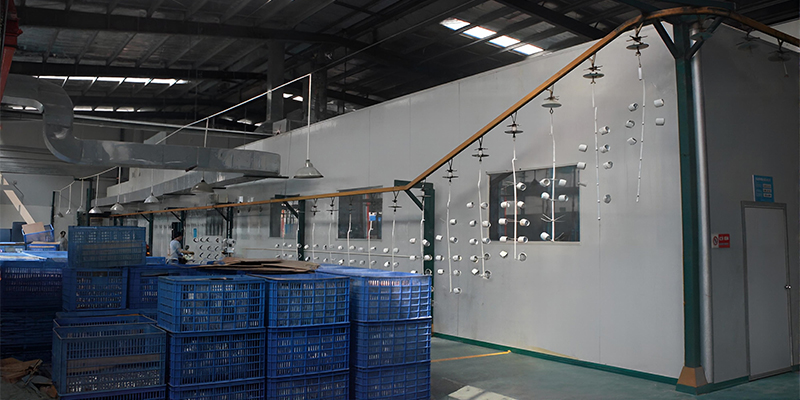

For high-pressure aluminum die castings, the output from the casting machine is only the beginning. The final part’s functionality, reliability, and adherence to strict geometric dimensions depend heavily on post-casting operations. As highlighted by manufacturers like EMP Tech, who serve demanding sectors like automotive OEMs and new energy vehicles, the goal is to transform a near-net shape casting into a finished component ready for assembly.
Precision machining is critical because casting alone cannot achieve the micron-level tolerances required for mating surfaces, nor can it create all the necessary features like precisely drilled holes, threaded ports, or flat sealing surfaces. This stage ensures that complex parts, such as motor housings or transmission cases, meet the stringent fit and function requirements of modern engineering.
Key CNC Techniques for Machining Complex Aluminum Castings
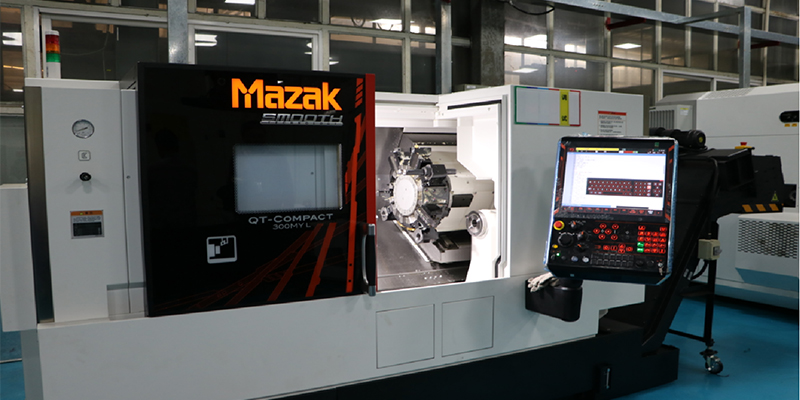
To meet these demands, advanced CNC machining centers are employed. The website for EMP Tech notes their operation of over 150 CNC machining centers, which is a testament to the scale and capability required for high-volume precision work. Key techniques used on complex aluminum castings include:
High-Speed Milling: Used for creating intricate geometries, thin walls, and complex 3D surfaces, such as the cooling fins on a 5G telecom housing.
Precision Boring and Turning: Essential for achieving exact internal diameters and concentricity in components like motor housings and bearing seats.
Multi-Axis Machining: Allows for complete processing of complex parts in a single setup, reducing errors and ensuring precise geometric relationships between different features.
The "one-stop" manufacturing model, from mold design to final machining, ensures that the casting process itself is optimized for subsequent CNC operations, minimizing waste and cycle time.
Thermal Management and Residual Stress Relief in Post-Cast Processes
Aluminum die casting involves rapid cooling, which can induce residual stresses within the component. If not addressed, these stresses can be released during machining, causing the part to distort and lose tolerance. Furthermore, the heat generated during high-speed machining can affect dimensional stability.
Effective post-cast strategies to manage these issues include:
Stress Relieving: Implementing a controlled thermal treatment cycle between casting and rough machining to stabilize the part’s microstructure.
Advanced Cooling Techniques: Using through-spindle coolant or compressed air during CNC operations to manage heat at the cutting zone.
Process Sequencing: Performing rough machining first to remove excess material and relieve bulk stresses, followed by a finishing pass to achieve the final tolerances on a now-stable component.
For applications requiring superior thermal management, such as liquid cooling plates for NEVs, technologies like Friction Stir Welding (FSW) are integrated before final machining to assemble components with exceptional thermal and structural integrity.
Achieving Tight Tolerances and Superior Surface Finishes
For precision components, particularly in automotive and industrial automation, the final machining passes determine the part’s quality. This involves a combination of advanced equipment and rigorous quality control. As detailed on the EMP Tech site, in-house capabilities like CMM (Zeiss) measurement are crucial for verifying that critical features meet the specified tolerances.
Superior surface finishes are achieved through:
Fine Machining Passes: Using optimized tool paths, sharp inserts, and high spindle speeds to create the required surface texture.
Specialized Tooling: Employing wiper inserts and reamers to achieve very low surface roughness (Ra) on sealing surfaces.
Cleanliness Control: Following VDA 19 standards for technical cleanliness, often in a cleanroom assembly environment, ensures that machined parts are free of burrs and contaminants before they enter the assembly line.
Surface Treatment and Finishing Options for Enhanced Component Performance
After precision machining, the aluminum component often requires surface finishing to enhance its durability, corrosion resistance, and aesthetics. This final step ensures the part can withstand its intended operating environment. Common post-machining treatments include:
Shot Blasting: Cleans the surface and creates a uniform matte finish, which can also improve fatigue resistance by inducing compressive stresses.
Powder Coating: Provides a durable, corrosion-resistant, and aesthetically pleasing finish in various colors, ideal for visible automotive and industrial parts.
Plating: Applied for specific functional requirements, such as enhanced wear resistance or electrical conductivity.
By offering these integrated finishing services, a manufacturer like EMP Tech provides a complete solution, ensuring that every component, from a delicate 5G shield to a heavy-duty industrial housing, is delivered with the required performance and quality.