

Die casting produces complex, high-strength parts with excellent. However, the as-cast surface often porous, chemically reactive, and susceptible to wear and corrosion. To unlock their full potential in demanding applications—from automotive and aerospace to consumer electronics equipment—these parts require specialized surface treatments. This article explores five key post-casting processes designed to significantly enhance the durability, performance, and longevity of aluminum die cast components.
Electroplating: Building a corrosion-resistant and hard oxide layer
izing is an electrochemical process that converts the aluminum surface into a decorative, and corrosion-resistant anodic oxide The part is immersed in an acidic electrolyte bath and acts as the anode. an electric current is applied, oxygen ions react with the aluminum substrate, growing a dense, integrated layer of aluminum oxide from the base metal outward. This oxide layer harder than the base aluminum and provides excellent resistance to abrasion and corrosion is also highly porous in state, allowing for effective dyeing (for color) and subsequent sealing. Anodizing is ideal combination of aesthetic appeal, environmental protection, and moderate wear resistance.
Powder Coating: Applying a Durable Barrier Against Abrasion and Chemical Exposure
A primary challenge with-c is inherent micro-porosity from the casting process. These tiny voids can lead to fluid leakage, trap contaminants, create weak points under pressure, and provide pathways for corrosionosity sealing, or impregnation, is a vacuum-pressure process that permanently seals these pores. The parts are placed in a a vacuum removes air from the pores, and then a liquid sealant (typically a thermosetting resin or sodium silicate) is introduced. Pressure forces the sealant into-void. After curing, the sealant solidifies, creating a pressure-tight, leak-proof part. This is a critical pretreatment for components used in hydraulic systems,, or any application requiring a hermetic seal.
Chemical passivation removes surface oxidation
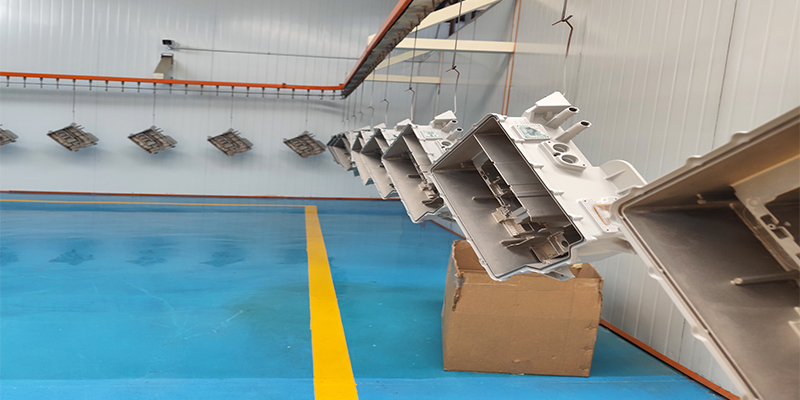
Powder coating involves applying a dry, free-flowing thermoplastic or thermoset polymer powder to a electrically grounded part. The powder is typically charged electrostatically, ensuring it adheres evenly to the The coated part is then cured in an oven, where the powder melts and flows into a continuous, uniform film. The result is a thick, tough coating that provides superior protection against impact, abrasion, chemicals (like solvents and oils), and UV degradation. It offers excellent color finish options, superior to many liquid paints in terms of durability and environmental friendliness (no solvents is widely used for, machinery housings, and outdoor fixtures.
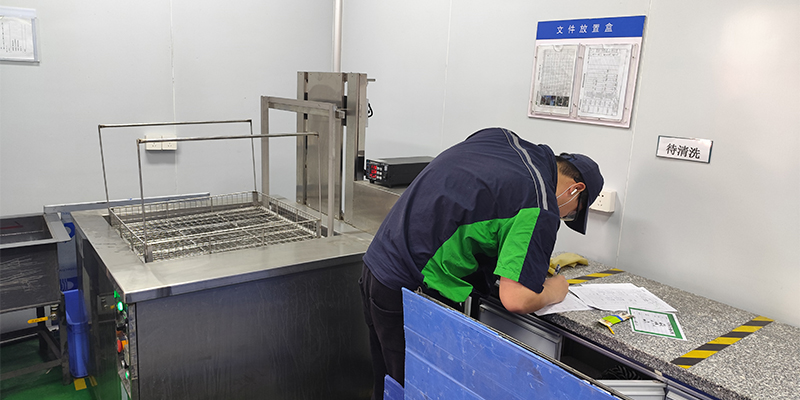
Passivation Chemically Surfaces Oxidation
Passivation is a chemical treatment, often using nitric or citric acid solutions, that removes free iron and other exogenous contaminants from the aluminum surface. More importantly, it promotes the rapid formation of a uniform, passive oxide layer natural aluminum oxide layer is thin but highly adherent and dramatically increasing the part’s inherent corrosion resistance by making inert or "passive." Unlike anodizing, it does not the part’s dimensions or appearance. Passivation is, cost-effective treatment for improving the resistance of aluminum die casts, especially before they undergo further finishing or assembly.
Anodizing technology: Enhancing performance in high-friction applications
For parts subjected to wear, sliding friction, or, standard anodizing may not suffice. Hard coating as hard anodizing or Type III anodizing, is a specialized anodizing process performed at lower temperatures and higher current produces a much thicker and denser aluminum exceptional hardness (comparable to case-hardened steel). This ultra-hard surface greatly resists galling,, and erosion. While it can be less porous and thus harder to dye, its primary purpose is functional durability. It is essential for components like pistons, hydraulic components, gears, and military equipment.
Conclusion
Selecting surface treatment for an aluminum die depends on its specific performance requirements. Whether priority is sealing porosity for pressure tightImpregnation), achieving maximum wear resistance (Hard Coating), providing a and colorful shieldder Co building a hard, integral oxide layer (Anod or simply maximizing baseline corrosion resistance (Passivation), a strategic post step is vital. By applying these methods, manufacturers transform raw cast, reliable, and high-performance components ready for the applications.


