

Introduction
The automotive industry is rapidly evolving, with electric vehicles (EVs) leading the charge toward sustainability and innovation. At the heart of this transformation are OEM car parts1, specifically electric aluminum die casting2 parts, which are redefining vehicle design, performance, and efficiency. In this article, we explore why aluminum die casting has become a cornerstone of OEM automotive manufacturing and how it powers the future of electric mobility.
What Are OEM Electric Aluminum Die Casting Parts?
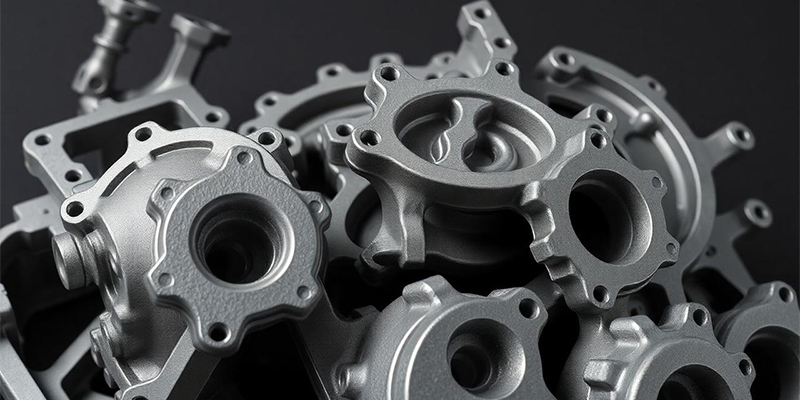
Original Equipment Manufacturer (OEM) car parts are components designed and produced by a company directly for vehicle makers. Among these, aluminum die casting parts stand out for EVs due to their lightweight, strength, and precision. The die casting process involves injecting molten aluminum into a mold under high pressure, creating complex, high-tolerance parts like battery housings, motor mounts, and structural frames.
Why Aluminum Die Casting is Critical for Electric Vehicles
- Lightweight Design for Enhanced Efficiency
Aluminum is 60% lighter than steel, making it ideal for EVs where reducing weight directly improves battery range. Die-cast aluminum parts help automakers meet strict energy efficiency standards without compromising durability. - Superior Thermal Conductivity
EV components generate significant heat, especially batteries and motors. Aluminum’s excellent thermal management properties ensure safer, longer-lasting performance. - Cost-Effective Mass Production
Die casting allows OEMs to produce large volumes of intricate parts quickly and consistently, lowering manufacturing costs—a key advantage as EV demand grows. - Sustainability Alignment
Aluminum is 100% recyclable, supporting the eco-friendly ethos of electric vehicles. OEMs increasingly prioritize this material to reduce their carbon footprint. Key Applications of Aluminum Die Casting in EVs
- Battery Enclosures: Protect high-voltage batteries while minimizing weight.
- E-Motor Housings: Ensure precision cooling and electromagnetic shielding.
- Structural Components: Reinforce chassis and body frames with crash-resistant designs.
- Charging Ports: Durable, corrosion-resistant connectors for fast-charging systems.
The Future of OEM Aluminum Parts in Automotive Innovation
As automakers like Tesla, BMW, and Rivian push for lighter, faster, and greener EVs, aluminum die casting is becoming indispensable. Advances in megacasting—a technique that creates entire vehicle sections in one mold—are streamlining production and reducing part counts by up to 70%. This not only cuts costs but also enhances structural integrity.
Conclusion
The shift to electric vehicles is accelerating, and OEM car parts made via aluminum die casting are at the forefront of this revolution. By combining lightweight design3, thermal efficiency, and scalable production, these components are driving the future of sustainable mobility. For automakers and consumers alike, investing in OEM-grade aluminum parts isn’t just a choice—it’s a commitment to innovation and reliability.
Explore the advantages of OEM car parts for EVs, ensuring quality and performance in your vehicle. ↩
Discover how electric aluminum die casting is revolutionizing the automotive industry with innovative manufacturing techniques. ↩
Learn why lightweight design is crucial for EV efficiency and how it impacts battery performance. ↩


