

Mold design is the cornerstone of successful high-pressure die casting, where molten aluminum is injected into molds at pressures up to thousands of tons to form intricate parts. Effective design minimizes defects like porosity, shrinkage, and warping while maximizing efficiency and part durability. At EMP Tech, our mold design process integrates advanced simulations and analyses to optimize for lightweight structures, high airtightness, and corrosion resistance. With 13 die casting machines ranging from 350T to 3050T, we handle everything from thin-wall electronics housings to large structural components like battery trays and shock towers, ensuring molds are tailored for high-volume production and long-term reliability.
Key Techniques for Effective Mold Design
- Design for Manufacturability (DFM) Analysis
DFM is a proactive technique conducted early in the design phase to evaluate and refine product structures for manufacturability. At EMP Tech, we provide free DFM analysis quotes within 24 hours, identifying potential issues such as uneven wall thickness, sharp corners, or complex geometries that could lead to casting defects. By optimizing designs for aluminum alloys like ADC12, A380, A360, and ENAC43400, DFM ensures better flow dynamics, reduces material waste, and enhances mechanical properties like tensile strength and ductility. This technique is crucial for applications requiring high mechanical stress, such as NEV motor housings or industrial hydraulic components, where it prevents costly revisions and improves overall production efficiency.2. Mold Flow Simulation
Mold flow simulation uses advanced software to model the flow of molten metal, heat transfer, and solidification within the mold. This essential technique allows us to predict and mitigate defects like air entrapment, incomplete filling, or thermal imbalances before physical tooling begins. At EMP Tech, our engineering team leverages mold flow analysis to fine-tune gate locations, runner systems, and cooling channels, ensuring uniform filling and rapid solidification. For high-pressure die casting, this results in parts with superior surface finish, dimensional accuracy, and structural integrity—ideal for telecom & 5G components demanding electromagnetic shielding or NEV battery pack shells requiring airtightness. By simulating real-world conditions, we extend mold life and achieve zero-defect outcomes aligned with our IATF 16949 standards.

3. Precision Tooling Development
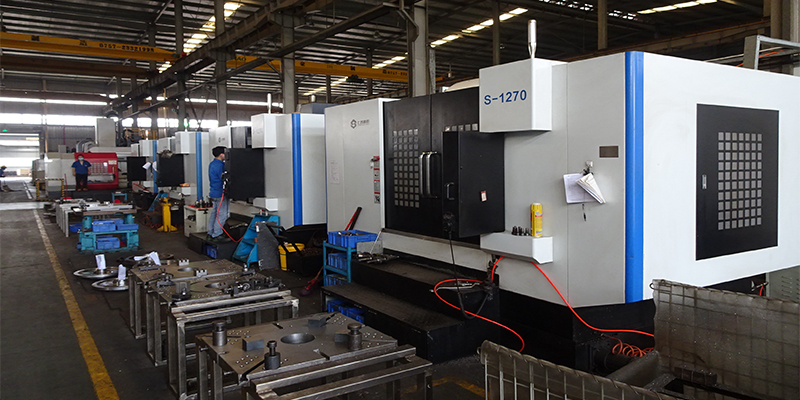
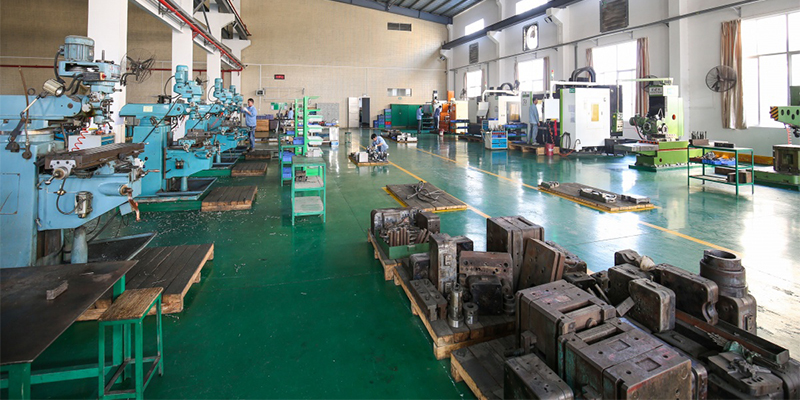
In-house tooling fabrication is vital for creating durable molds that withstand the rigors of high-pressure casting. EMP Tech’s precision tooling ensures tight tolerances and consistency, incorporating features like ejector pins, sliders, and inserts for complex geometries. We focus on material selection (e.g., high-grade steels) and heat treatment to resist wear and thermal fatigue, supporting high-volume runs without degradation. This technique integrates seamlessly with our friction stir welding (FSW) and CNC machining processes, allowing for hybrid designs that combine casting with advanced joining for enhanced sealing in motor controller housings or liquid cooling plates.
4. Integration of Quality Control in Design
Embedding quality assurance into mold design prevents downstream issues. Our approach includes spectrum analysis for alloy composition and CMM (Zeiss) measurements for dimensional verification during the design validation phase. Techniques like X-Ray flaw detection simulations help anticipate internal defects, while adherence to VDA 19 cleanliness standards ensures molds produce parts free from contaminants. For industries like industrial automation, where high-sealing control housings are critical, this integrated design strategy guarantees compliance with European and American Tier 1 requirements, including full traceability and a 100% audit pass rate (e.g., ‘A’ rating on VDA 6.3).
5. Surface and Post-Processing Considerations
Mold design must account for post-casting treatments to achieve desired aesthetics and functionality. At EMP Tech, we design molds with features that facilitate surface finishing options like shot blasting, powder coating, and plating for improved corrosion resistance. Techniques such as optimized draft angles and texture integration ensure easy part release and minimal secondary machining, reducing costs for precision CNC operations on over 150 centers. This is particularly important for thin-wall castings in 5G applications, where superior surface quality enhances heat dissipation and signal integrity.
Applications Across Industries
These mold design techniques enable EMP Tech to deliver tailored solutions:
New Energy Vehicles (NEV): Optimized molds for lightweight battery trays, shock towers, and engine blocks with high airtightness via FSW integration.
Telecom & 5G: Precision designs for high-frequency aluminum shells requiring complex thin-wall casting and electromagnetic compatibility.
Industrial Automation: Robust molds for sealed robotics parts and power equipment, emphasizing mechanical strength and leak-proofing.
With over 500 skilled employees and robust supply chain security, we turn innovative designs into reliable products.
Conclusion
Mastering essential techniques like DFM analysis, mold flow simulation, and precision tooling is key to excelling in high-pressure aluminum die casting. At EMP Tech, our integrated approach ensures molds that deliver high-quality, defect-free components efficiently and cost-effectively. As a trusted Tier 2 supplier to global leaders in the EU and North America, we invite you to leverage our expertise for your next project. Contact EMP Tech today for a free DFM analysis quote and discover how our mold design techniques can elevate your manufacturing success.


