

The automotive industry is undergoing a seismic shift, with electric vehicles (EVs) at the epicenter of this transformation. This revolution is not just about the cars we drive; it’s about the intricate network of manufacturers meticulously crafting the components that power them. From the battery packs that store energy to the electric motors that propel the wheels, a dedicated and innovative industry of electric vehicle parts manufacturers is paving the way for a sustainable future in transportation.
This article explores the critical role of these manufacturers, the key components they produce, and the exciting advancements driving the EV industry forward.
Who are the Key Players in EV Parts Manufacturing?
A diverse range of companies, from established automotive giants to specialized tech firms, are contributing to the EV parts ecosystem. These manufacturers are the unsung heroes of the electric revolution, ensuring a steady supply of high-quality, reliable components.
Some prominent names in the industry include:
- MW Components: Specializing in precision-engineered metal components, MW Components manufactures everything from connector components in high-voltage assemblies to springs for various EV applications. They emphasize reliable, high-quality parts that optimize performance and manufacturability.
- Bacancy Systems: As a leading electric vehicle components manufacturer in India, Bacancy covers the entire product lifecycle, from development to production. They are known for their innovative, high-value-added products that enhance EV performance.
- CATL (Contemporary Amperex Technology Co., Limited): A major player in the lithium-ion battery market, CATL supplies batteries to leading EV manufacturers like Tesla, BMW, and Volkswagen.
- Bosch: This established automotive supplier has pivoted its expertise to become a key manufacturer of EV components, including electric motors, power electronics, and thermal management systems.
- ABB: A global technology company, ABB is a significant manufacturer of EV charging infrastructure and components, playing a crucial role in the expansion of the EV ecosystem.
- Infineon Technologies AG: A leading producer of semiconductors, Infineon manufactures essential components for EVs, such as microcontrollers and power electronics. Their semiconductor-based inverters are known for their high efficiency and compact design.
- MAHLE Group: This global automotive company supplies a wide range of components for electric vehicles, contributing to the overall efficiency and performance of EVs.
The Heart of the Machine: Essential Electric Vehicle Components
The performance, range, and longevity of an electric vehicle depend on the quality and interplay of its core components. Here’s a look at some of the most critical parts and the manufacturers behind them:
Battery Pack: The Powerhouse
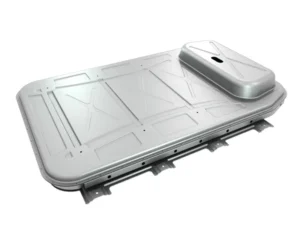
The battery pack is arguably the most crucial and expensive component of an EV. It stores the electrical energy that powers the vehicle. Lithium-ion batteries are the current industry standard due to their high energy density and long lifespan. Manufacturers are in a constant race to develop batteries that are more efficient, safer, and have a longer range. The development of solid-state batteries by companies like Toyota and QuantumScape promises a future with even greater energy capacity and safety.
Electric Motor: The Silent Mover
The electric motor is responsible for converting electrical energy from the battery into mechanical energy to turn the wheels. Unlike internal combustion engines, electric motors provide instant torque, resulting in quick and smooth acceleration. Brushless DC (BLDC) motors are widely used for their efficiency and reliability.
Powertrain and Drivetrain Components
The powertrain encompasses the electric motor, inverter, and other key components that deliver power to the wheels. Manufacturers are focused on creating integrated and efficient powertrain systems to optimize performance and reduce weight.
Power Electronics: The Brains of the Operation
Power electronics, including the inverter and converter, manage the flow of electricity throughout the vehicle. The inverter converts the DC power from the battery to AC power for the motor, while the converter steps down the high-voltage DC power to run on-board accessories.
Charging Port and On-Board Charger
The charging port is the external interface for replenishing the battery. The on-board charger converts the AC power from a charging station to DC power to be stored in the battery. The efficiency and speed of charging are critical for user convenience.
The Importance of Precision and Materials
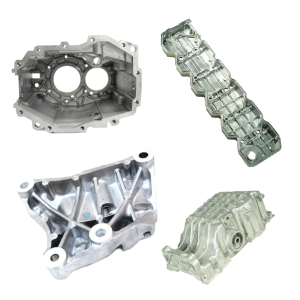
The manufacturing of EV parts requires a high degree of precision and the use of advanced materials. For instance, aluminum die-casting is a common technique used to create lightweight yet durable housings for various components. This focus on lightweighting is crucial for maximizing the vehicle’s range.
Trends and Innovations Shaping the Future of EV Part Manufacturing
The electric vehicle parts manufacturing industry is in a constant state of evolution. Key trends and innovations include:
- Solid-State Batteries: The development of solid-state batteries is a major focus, promising higher energy density, improved safety, and a longer lifespan compared to current lithium-ion batteries.
- Advanced Materials: Research into new materials for batteries, motors, and other components is ongoing, with the goal of improving performance, reducing costs, and enhancing sustainability.
- Integration and Miniaturization: Manufacturers are working to create more integrated and compact components to save space and weight, leading to more efficient vehicle designs.
- Sustainable Manufacturing: There is a growing emphasis on sustainable manufacturing processes, including the recycling of battery materials and the use of eco-friendly production methods.
The Road Ahead for Electric Vehicle Parts Manufacturers
The transition to electric mobility is accelerating, and electric vehicle parts manufacturers are at the forefront of this change. Their commitment to innovation, quality, and sustainability will be the driving force behind the next generation of electric vehicles. As the demand for EVs continues to grow, so too will the opportunities for these essential manufacturers to shape the future of transportation.


