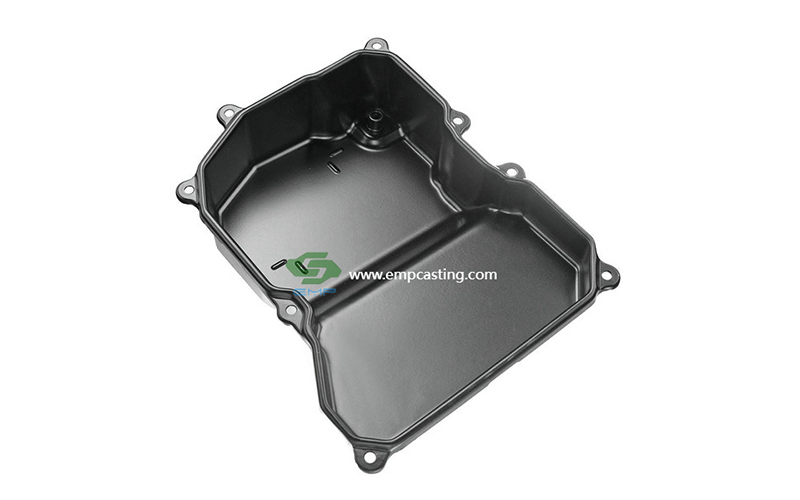
drive motor housing

Mastering EV Performance: A Deep Dive into the Drive Motor Housing

The drive motor housing is more than just a protective shell; it’s a critical enabler of an electric vehicle’s performance, efficiency, and longevity. As a linchpin component in the EV powertrain, it demands a sophisticated approach to design, material selection, and manufacturing. For procurement and quality engineering leaders at Tier 1 suppliers and OEMs, sourcing […]

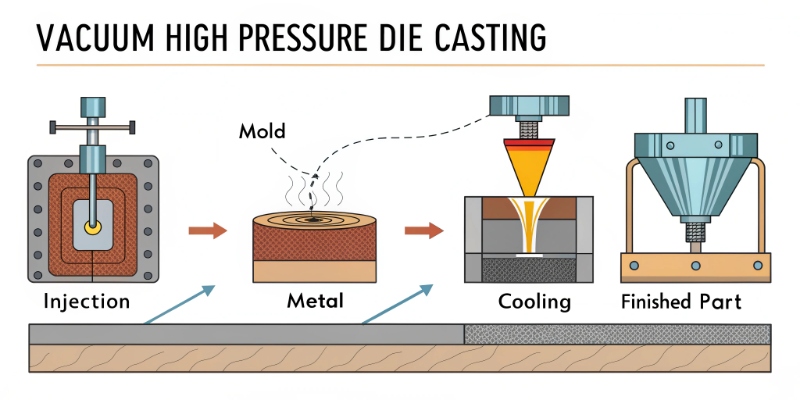
Your Guide to Selecting the Right High-Pressure Die Casting Supplier for Automotive Parts

As an engineer or procurement director for a Tier 1 automotive supplier, your success hinges on the quality, reliability, and cost-effectiveness of your components. High-pressure die casting is a critical process for producing lightweight, complex, and durable parts essential for modern vehicles, especially in the e-mobility sector. However, not all die casting suppliers are created

Why Aluminum Die Casting Parts Need to Be Impregnated?

In high-stakes industries like automotive, new energy vehicle (EV) manufacturing, and industrial automation, the reliability of aluminum die casting parts is non-negotiable—especially when fluid or gas tightness is required. Even the most advanced die casting processes can leave behind microscopic pores and voids within the metal, threatening performance, customer satisfaction, and regulatory compliance. Impregnation is

4 Electroplating Methods of Aluminum Die Casting

Electroplating is a vital surface finishing process in the manufacturing of aluminum die-cast parts, especially for automotive, electronics, and industrial applications. While aluminum alloys provide strength and light weight, their natural oxide layer makes direct electroplating difficult. Achieving reliable adhesion and desired finishes requires specialized pretreatments and well-engineered plating sequences. For Supplier Quality Engineers and

Why Is Aluminum Alloy Not Suitable for Hot Chamber Die Casting Machines?

When specifying or auditing die casting processes for automotive or industrial components, understanding the limitations and advantages of different casting technologies is crucial. One fundamental industry rule is that aluminum alloys are NOT suitable for hot chamber die casting machines. But why is this the case? Let’s break it down from both a technical and

7 Requirements of Die Casting Aluminum Alloy Material

As a Purchasing Director, you’re constantly balancing cost, quality, and lead times. When you specify a material for a critical automotive component, you’re placing a bet that it will perform. For a Supplier Quality Engineer, that material choice directly impacts whether a part will pass rigorous IATF 16949 audits and function reliably in the field.