

Is residue on your newly anodized parts causing problems in assembly or performance? This contamination can ruin all the hard work and investment put into your precision components.
The best cleaning methods use a combination of gentle mechanical wiping, specialized chemical solutions, and ultrasonic baths. This multi-step approach removes contaminants without damaging the critical anodized surface, ensuring the part performs as designed.
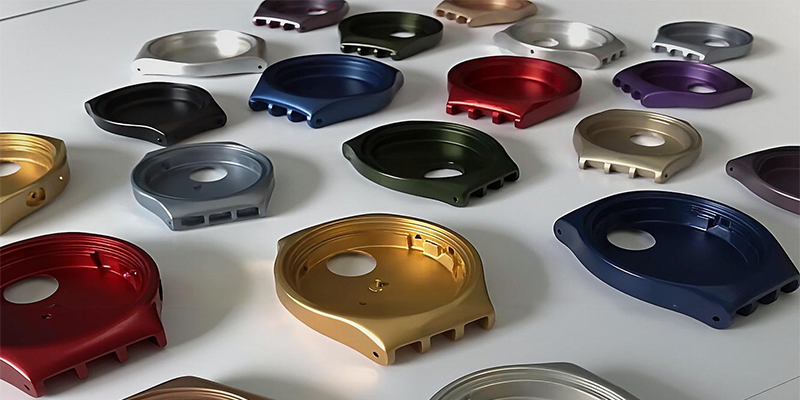
Over my career, I have seen that manufacturing does not stop when the part is made; it stops when the part is clean and ready for assembly. Hard anodizing is a fantastic surface treatment, but it’s not the final step. I once worked with a customer making high-end hydraulic manifolds. They had random failures in the field, and we traced the problem back to sealing smut leaching out from the anodized pores. They were making perfect parts but failing at the final cleaning stage. This taught me that cleaning is not just about looks; it is a critical process step that ensures reliability.
How do you understand hard anodizing and its impact on cleaning needs?
Do you treat anodized parts like any other metal part during cleaning? This mistake can ignore the specific residues and unique surface properties created by the anodizing process itself.
Hard anodizing creates a thick, porous ceramic layer. The cleaning process must remove residual acids and sealing smut from these microscopic pores without damaging the hard but brittle oxide surface. It’s a specialized cleaning challenge.
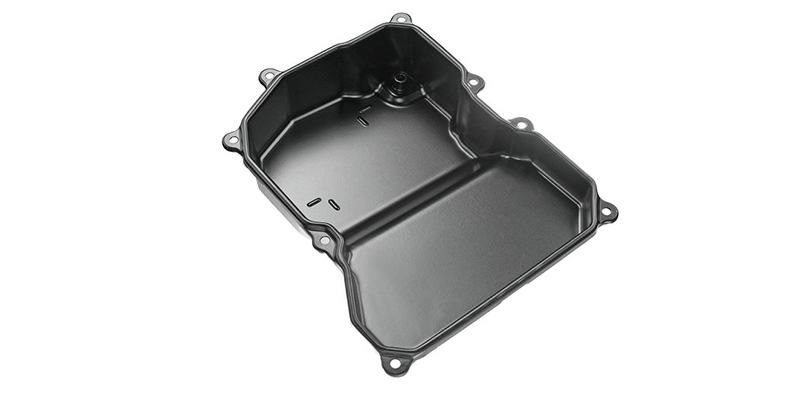
Hard anodizing, or Type III anodizing, is an electrochemical process. We create a layer of aluminum oxide on the surface that is extremely hard and corrosion-resistant. But this oxide layer is grown from the aluminum itself, and its structure is filled with tiny, deep pores. After the main anodizing step, the parts are often sealed, usually in a hot water or nickel acetate bath, to close these pores. The "dirt" you need to clean is not just handling oils1 or dust. It is often a combination of leftover sulfuric acid from the anodizing tank and a fine, powdery residue called "smut" from the sealing process. If not removed, these residues can leach out over time and contaminate a final assembly. So, your cleaning process2 must be designed to get into these pores and neutralize or remove these specific chemical leftovers.
What are the best mechanical cleaning techniques for these parts?
Are you worried about scratching or damaging the surface of your parts with aggressive cleaning? Using the wrong mechanical method can easily ruin the finish and dimensions of a precision component.
The best mechanical techniques are non-abrasive. They involve using soft, lint-free cloths, gentle nylon brushes, or blowing with filtered, oil-free compressed air to dislodge surface contaminants without scratching the oxide layer.
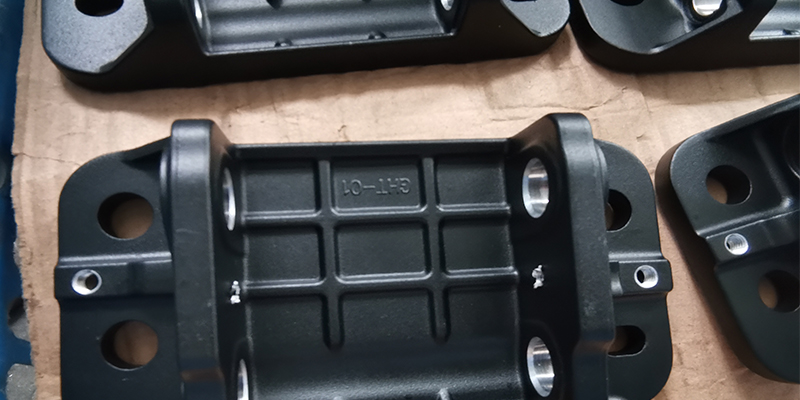
You have to treat the hard anodized surface with care. While it is very hard (harder than steel), it can be brittle and can be scratched by aggressive abrasives. Mechanical cleaning is often the first step in the process or is used for simple cleaning jobs. You should never use anything like steel wool, Scotch-Brite pads, or abrasive powders3.
Gentle Mechanical Cleaning Options
| Method | Description | Best For |
|---|---|---|
| Manual Wiping | Using lint-free microfiber cloths with a solvent like isopropyl alcohol (IPA) or deionized water. | Removing fingerprints, light oils, and loose surface dust from simple shapes. |
| Soft Brushing | Using a soft-bristle brush made from a material like nylon. | Getting into grooves, knurling, or textured surfaces without scratching. |
| Air Blowing | Using an air knife or nozzle with filtered, oil-free compressed air. | A non-contact method for blowing away loose particles before a deeper clean. |
Think of mechanical cleaning as the surface-level work. Its goal is to remove the easy-to-reach contaminants and prepare the part for a more thorough chemical or ultrasonic cleaning if needed.
What chemical solutions should you use for post-anodizing treatment?
Are you afraid of using a chemical that might discolor, streak, or even completely strip the anodized coating? Using the wrong chemical cleaner is a common and costly mistake.
You must use mild, pH-neutral detergents that are specifically formulated for anodized aluminum. If you use a solvent, isopropyl alcohol is a safe choice. Always avoid harsh alkaline or strong acid cleaners, which will attack the coating.
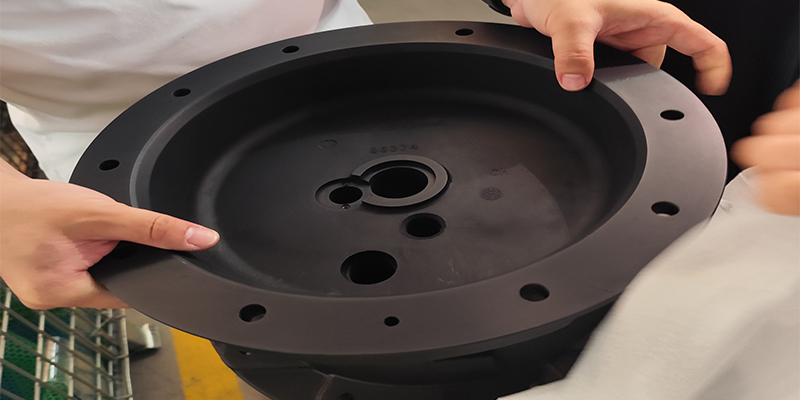
The chemistry here is very important. The aluminum oxide layer created by anodizing has excellent resistance to many chemicals, but it has two major weaknesses: strong alkalis (high pH) and certain acids. A common mistake I see is people using a general-purpose alkaline degreaser, which can quickly dull or strip the coating.
Here is what you need to know:
- What to Use: Look for cleaners that state they are "safe for anodized aluminum." These are typically pH-neutral detergents. For removing oils and grease, a pure solvent like isopropyl alcohol (IPA) is very effective and evaporates without leaving a residue.
- What to Avoid: Absolutely avoid any cleaners containing sodium hydroxide, potassium hydroxide, or other strong alkaline agents. Also, avoid any strong, non-approved acids like muriatic acid.
- The Importance of Rinsing: A thorough rinse after any chemical cleaning is critical. You must remove all traces of the cleaning agent. We always use deionized (DI) water for the final rinse. Tap water contains minerals that can leave behind water spots and stains as the part dries. A clean part is only as clean as its final rinse.
How can ultrasonic cleaning enhance the surface quality?
Do your parts have complex internal channels, blind holes, or fine threads that are impossible to clean manually? Trapped debris in these areas is a primary cause of future product failure.
Ultrasonic cleaning uses high-frequency sound waves in a cleaning bath to create millions of microscopic scrubbing bubbles. This process, called cavitation, safely and effectively cleans every surface, including deep holes and threads, without any abrasion.
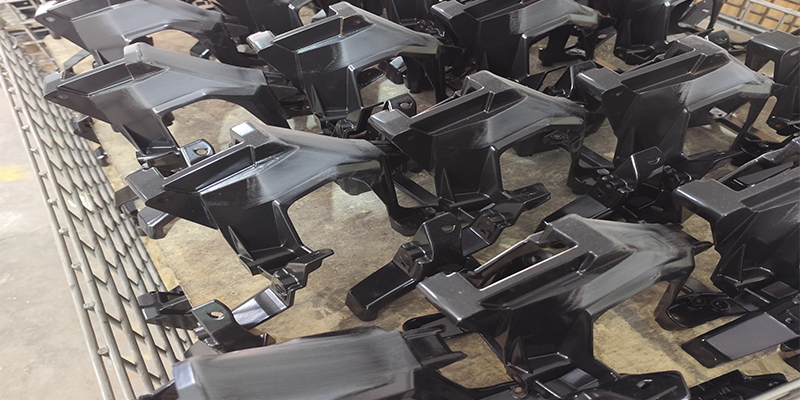
For any part where cleanliness is absolutely critical, ultrasonic cleaning4 is my go-to method. I have seen it solve problems that no amount of scrubbing or soaking could fix. The process is incredibly effective. The sound waves create and collapse tiny bubbles in the cleaning solution. This action creates a powerful but microscopic "scrubbing" force that dislodges contaminants5 from even the smallest features. It can get inside a threaded hole or a deep channel where a brush or cloth could never reach. To get the best results, you need to control a few things: the cleaning solution must be a mild, compatible detergent; the bath temperature is usually slightly warm to improve effectiveness; and the time is typically just a few minutes. For our most demanding automotive and EV customers, ultrasonic cleaning is a standard part of the process.
What are the best practices for a safe and effective cleaning process?
Are your cleaning results inconsistent? Even with the right tools and chemicals, a poor process can lead to damaged parts, re-contamination, or unpredictable quality.
The best practices involve a documented and repeatable procedure. This includes testing your method first, using clean DI water for rinsing, ensuring complete drying with filtered air, and always handling clean parts with gloves.
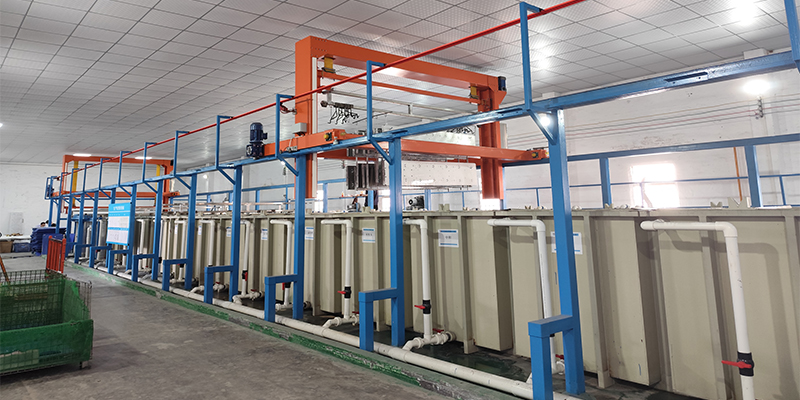
A good cleaning process is like a good manufacturing process: it needs to be controlled and repeatable. Simply telling someone to "go clean the parts" is not enough. For the quality engineers I work with, we develop a formal cleaning procedure. Here are the key points we always include:
- Always Test First: Before cleaning a new batch of parts, always test your process on one or two pieces to ensure there is no discoloration or damage.
- Rinse Thoroughly: A multi-stage rinse is best, with the final rinse always being in high-purity deionized water to prevent water spots.
- Dry Completely: Do not let parts air dry. Use an oven set to a low temperature or blow them dry with clean, filtered compressed air. Trapped moisture can cause problems later.
- Handle with Gloves: Once parts are clean, they must only be handled with clean, lint-free gloves. The oils from your skin are a significant contaminant.
- Maintain Your Baths: Cleaning solutions and rinse tanks get dirty over time. They must be monitored and changed regularly to be effective. A dirty rinse bath will just re-contaminate your clean parts.
Conclusion
Effective cleaning is a critical final step for hard anodized parts. A systematic process using the right combination of methods ensures your precision components are reliable, perform perfectly, and are ready for assembly.
Handling oils can contaminate clean parts; understand their impact on the cleaning process. ↩
A systematic cleaning process ensures reliability; explore best practices for cleaning anodized parts. ↩
Abrasive powders can damage anodized surfaces; learn why they should be avoided during cleaning. ↩
Ultrasonic cleaning can reach areas that manual methods can’t; find out how it improves surface quality. ↩
Identifying common contaminants helps in effective cleaning; learn what to look for on anodized parts. ↩


