

Brittle electric vehicle structural parts cause terrible crashes. Product recalls cost your company millions. We solve this deadly problem. You get perfect AlSi10Mg components for your battery housings.
You achieve zero defects by combining high vacuum technology with precise heat treatment. We control the exact iron content. We optimize the gate design. This process eliminates trapped air completely. Your electric vehicle structures gain ultimate crash resistance and perfect weldability.
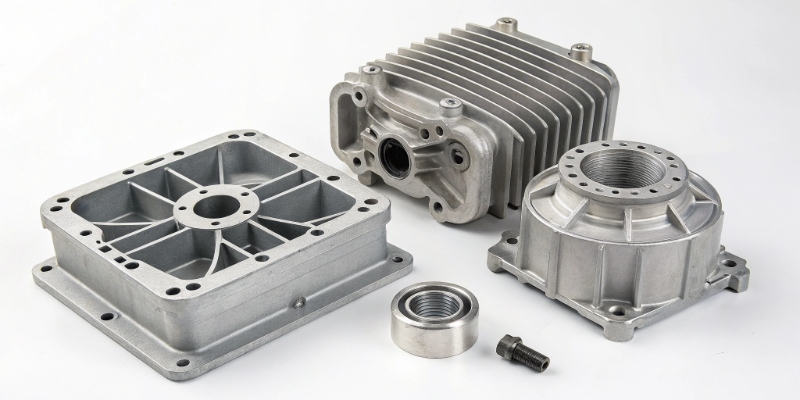
Many die casting suppliers promise perfect AlSi10Mg samples on day one. They fail completely during mass production. This terrible inconsistency threatens your entire electric vehicle project schedule. I share my deep workshop secrets with you today. I help you avoid these massive supply chain disasters. You will learn exactly how to secure safe components every single time.
Why do AlSi10Mg EV structures fail crash tests and how do we fix this?
Low elongation makes aluminum frames crack under pressure. Your safety tests fail instantly. We use a special T7 heat treatment. We give your parts incredible flexibility and strength.
We fix brittle parts by controlling the exact cooling rate after casting. We apply a specialized T7 heat treatment process. We bake the parts to change the internal metal structure. This method guarantees over ten percent elongation. Your parts absorb crash energy perfectly without breaking.
The huge challenge of meeting mechanical properties
I spent my early years on the factory floor. I watched many large die casting machines every day. I saw thin electric vehicle parts crack like glass. EV structures need very high elongation. The car must absorb the crash impact. The passengers must survive. The AlSi10Mg alloy is very tricky. The raw metal has good potential. The standard die casting process ruins this potential. The metal cools too fast in the mold. The internal structure becomes very stiff.
We never guess the right temperature. We use precise thermal data. We change the metal structure with heat. We use a massive continuous furnace. We heat the parts to nearly five hundred degrees Celsius. We keep them hot for hours. We drop them into warm water quickly. We heat them again at a lower temperature. This T7 process changes the silicon crystals inside the metal. The sharp crystals become round. Round crystals let the metal bend easily. You receive highly flexible parts. Your SQE team approves the PPAP documents quickly.
| Defect Type | Root Cause | Our Solution |
|---|---|---|
| Cracked parts | Sharp silicon crystals | Precise T7 heat treatment |
| Low yield strength | Inconsistent cooling | Automated continuous furnace |
| Warped structures | Fast water quenching | Temperature controlled warm water |
How do we guarantee perfect welding for large AlSi10Mg EV battery housings?
Trapped gas destroys your robotic welding process. Your battery boxes leak water. We use ultra-high vacuum systems. We deliver completely solid parts for perfect welding.
We guarantee perfect weldability by removing all air from the die cavity. We use advanced vacuum blocks. We pull the air out milliseconds before the metal enters. This stops gas porosity entirely. Your automated lasers weld the aluminum components together perfectly.
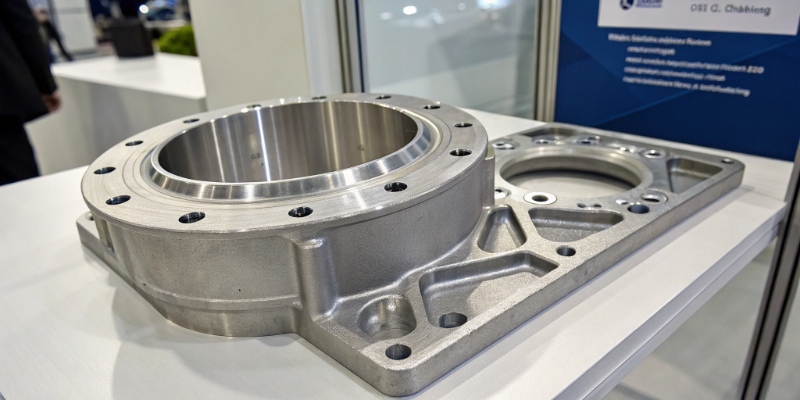
The deadly danger of gas holes during welding
Every purchasing director wants fast assembly lines. Large EV battery housings require extensive laser welding. You must join multiple aluminum cast parts together. Normal die casting traps a lot of air. The metal flows into the mold very fast. The air cannot escape. The metal freezes around the air bubbles. I visited a major customer in Europe last year. They had a huge welding crisis. The laser hit a hidden gas hole in the casting. The trapped gas exploded. The weld seam failed completely. The battery box lost its water seal.
We eliminate this welding nightmare. We install powerful vacuum pumps next to the machine. We connect large vacuum valves to the mold. The machine closes the mold. The pump sucks out the air instantly. The vacuum level drops below thirty millibars. The liquid AlSi10Mg fills an empty space. No air mixes with the metal. We cut the parts open for inspection. We find solid metal everywhere. You weld the parts easily. Your battery systems stay dry and safe.
| Problem | Root Cause | Our Solution |
|---|---|---|
| Exploding welds | High pressure gas holes | Ultra-high vacuum casting system |
| Water leaks | Porous weld seams | Strict mold flow simulation |
| Slow assembly | Reworking bad welds | Solid internal metal structure |
How do we maintain strict tolerances on large and thin AlSi10Mg structures?
Warped structural parts jam your automated assembly fixtures. You miss tight project deadlines. We use smart thermal management. We supply perfectly flat shock tower castings.
We maintain strict tolerances by controlling the die temperature dynamically. We place dozens of cooling channels inside the mold. We use thermal oil to balance the heat. The large part cools evenly everywhere. This prevents bending completely. Your robotic arms pick and place the parts easily.
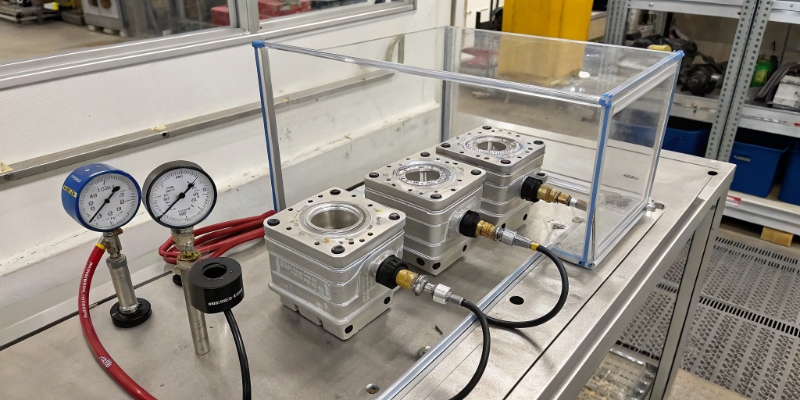
The big struggle with giant thin parts
Electric vehicles need very light bodies. Engineers design massive parts with very thin walls. Shock towers and rear frames span over a meter. The walls are only three millimeters thick. The AlSi10Mg metal shrinks during cooling. Different areas cool at different speeds. This uneven cooling creates huge internal stress. I fixed hundreds of warped molds in my past. The thin areas freeze in one second. The thicker mounting points stay hot for ten seconds. The cold areas pull the hot areas. The entire part twists. The part looks like a potato chip.
You cannot force a warped part into a car chassis. We use advanced software to solve this problem. We map the temperature of the entire mold. We design complex cooling lines near the thick areas. We design heating lines near the thin areas. We pump hot oil and cold water through the steel tool. The whole part reaches room temperature at the exact same time. The internal stress disappears completely. We check the dimensions with a laser scanner. The part matches the digital model perfectly. You meet your strict project timelines.
| Problem | Root Cause | Our Solution |
|---|---|---|
| Twisted parts | Uneven cooling speeds | Dynamic thermal oil management |
| Short shots | Metal freezes too quickly | Advanced mold flow design |
| Rejected batches | Inconsistent machine cycles | Automated robotic spray and extraction |
Conclusion
You need strict process control. You need advanced vacuum technology. Our proven methods guarantee perfect AlSi10Mg EV structures. We deliver safe and reliable parts to your assembly line.


