Key Considerations for Post-Processing of Die-Cast Parts

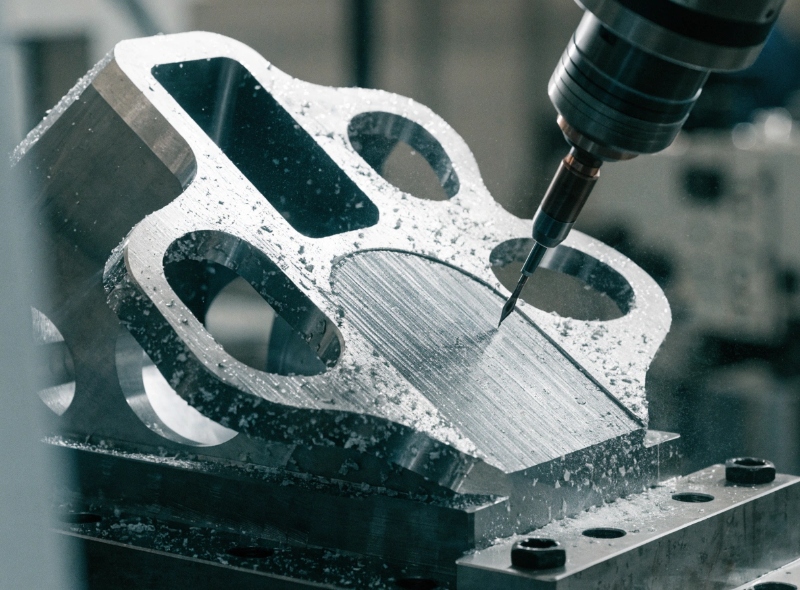
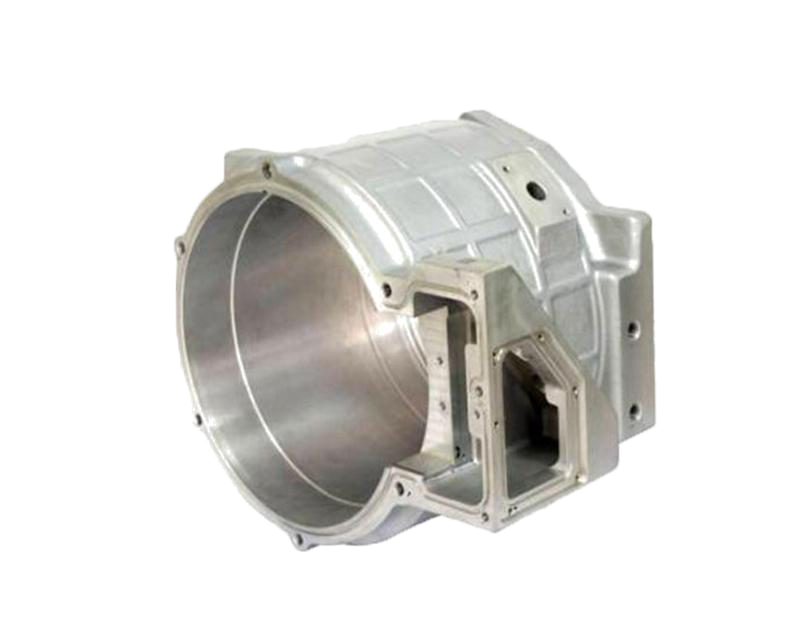
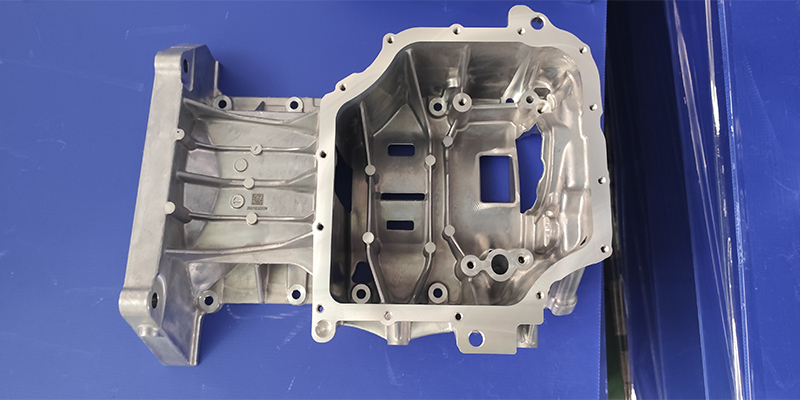
Key Considerations for Post-Processing of Die-Cast Parts Post-processing of high-pressure die casting (HPDC) components is where many projects succeed or fail under OEM scrutiny. For Tier 2 suppliers delivering structural aluminum parts—particularly motor housing die casting or large EV structural castings—the casting itself is only the starting point. Dimensional capability, sealing integrity, and surface condition
Design of Large and Complex Aluminum Alloy Gearbox Housing Die Casting Mold

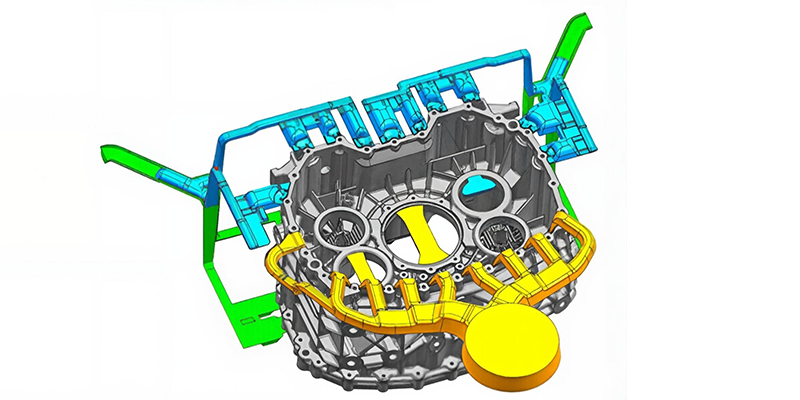
In high-volume automotive die casting applications, gearbox housings rank among the most demanding structural components. These large, thin-walled parts with intricate oil channels, mounting bosses, and sealing surfaces must deliver precise dimensional stability under thermal cycling while maintaining leak-tightness. For Tier 2 suppliers squeezed between OEM requirements and machining partners, mold design decisions made early

Porosity in Die Casting: The Engineer’s Guide to Identification and Control

Porosity is the most common, and arguably the most challenging, defect in high-pressure die casting (HPDC). For engineers designing structural automotive components—like EV motor housings or battery trays—porosity isn’t just a cosmetic issue; it’s a potential failure point for pressure tightness and structural integrity. At EMP Tech, we don’t promise "zero porosity"—it’s thermodynamically impossible in

Top 10 Automotive Parts Made by Die Casting (With Real-World Examples)

High-pressure die casting (HPDC) has become the dominant manufacturing process for automotive structural and powertrain components, driven by the industry’s relentless push for lightweighting, integration, and cost efficiency. For Tier 1 and 2 suppliers, knowing which parts are feasible—and which process variants each demands—is the difference between a smooth PPAP Level 3 submission1 and a