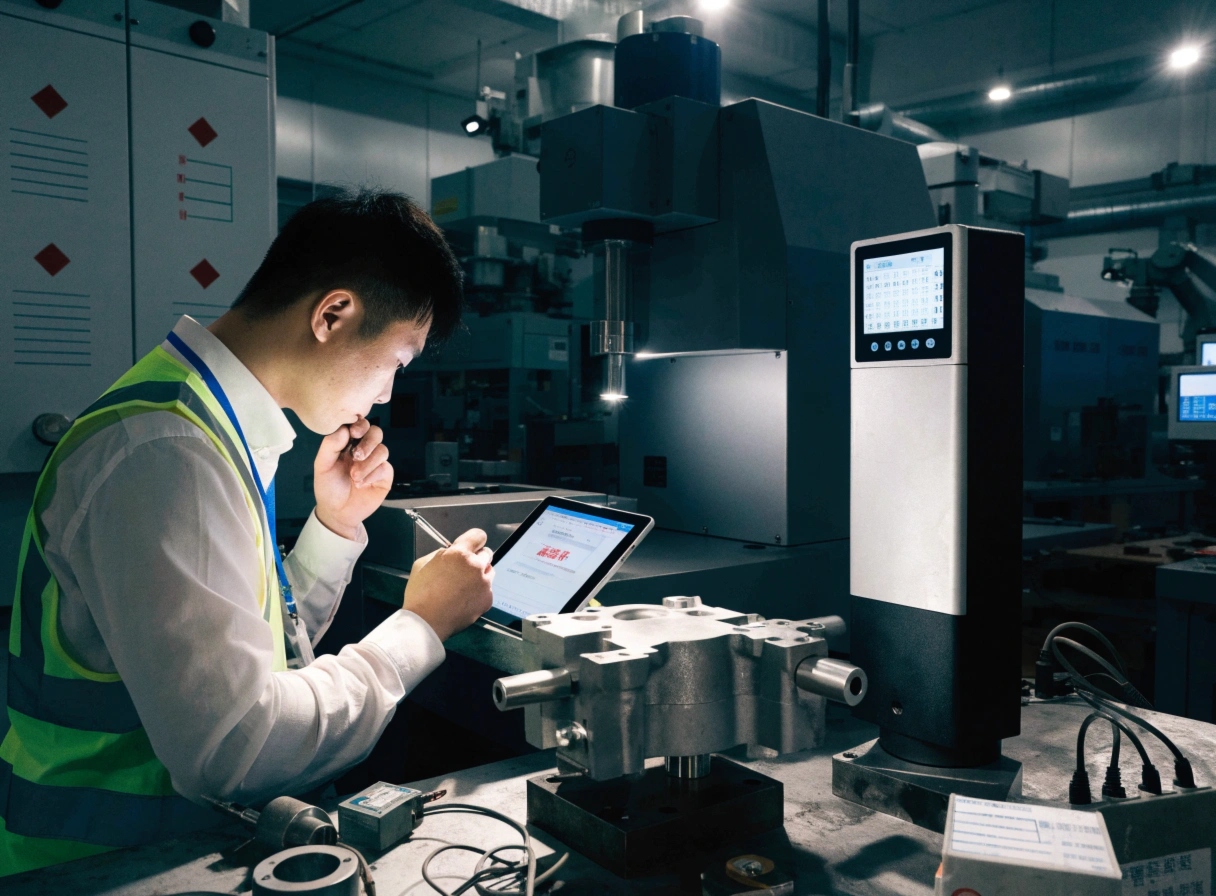
An inspector in a die casting plant measuring a machined housing with a CMM next to a leak test station

Industrial Die Casting: What Differs from Automotive

An industrial casting fails differently from an automotive one. A car part that is marginal shows up as a warranty claim inside three years, on a platform that is already on its second facelift. A robot joint housing or a power distribution frame that is marginal shows up as a stopped production line in a
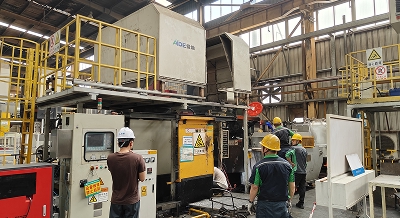
Case Study: Manufacturing High-Integrity PDU Housings for Commercial Vehicles (Al Alloy 43400)

In the commercial vehicle sector, power distribution units (PDUs) are the nervous system of heavy-duty electrification. They require housing that offers exceptional electromagnetic shielding, thermal dissipation, and structural durability against constant road vibration. At EMP Casting, we recently optimized a high-volume production line for a Tier 1 commercial vehicle client. By leveraging 1,000T High-Pressure Die

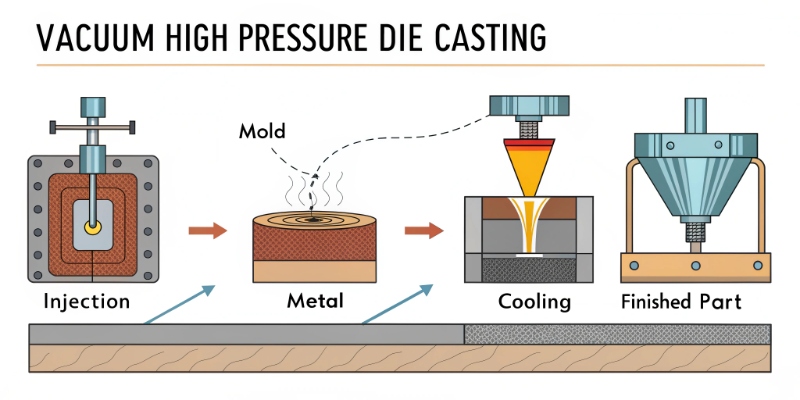
Vacuum High-Pressure Die Casting: The Ultimate Solution to Reduce Porosity in Automotive Aluminum Parts

In the competitive world of automotive manufacturing, component integrity is non-negotiable. As vehicles move toward lightweight designs to improve fuel efficiency and EV range, the demand for automotive aluminum parts has surged. However, one persistent challenge remains in the manufacturing process: porosity. For engineers and procurement managers, finding a way to reduce porosity is critical

Mastering Part Design for Die Casting: Drafts, Fillets, and Wall Thickness

Meta Description: essential guide to part design for die casting. Learn expert guidelines on draft angles, fillets, and uniform wall thickness for high-quality automotive aluminum parts. In the competitive world of automotive aluminum die casting, the difference between a high-performance component and a failed production run often lies in the design phase. Design for Manufacturing

How to design die-cast parts

A die-cast part is designed twice: once for the function, and once for the die. The second design is the one that decides whether the part is cheap or expensive, because every decision that makes the tooling harder — an undercut, a thick boss, a sharp corner — is paid for on every cycle for

Advantages and characteristics of aluminum alloy die castings

A bracket that takes fourteen minutes to cast in sand takes about seventy seconds in a die. That single number — not the alloy, not the finish, not the machine brand — is the reason high-pressure die casting owns the volume end of aluminium parts. Everything else that is said about the process, good and