Author name: Michael

Why Is the Motor Housing Cover Critical to Electric Motor Performance?

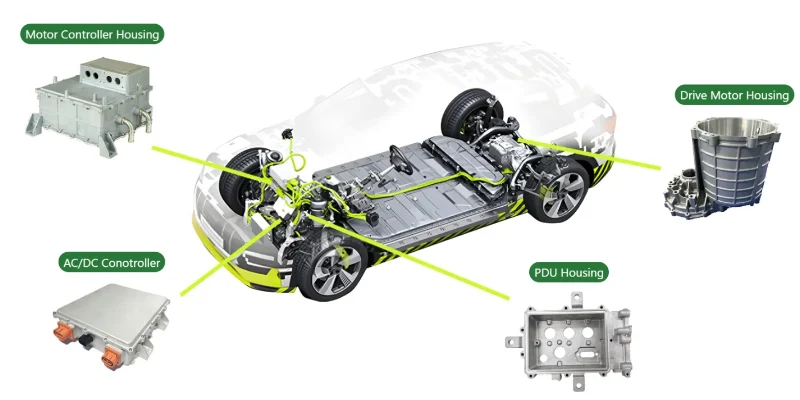
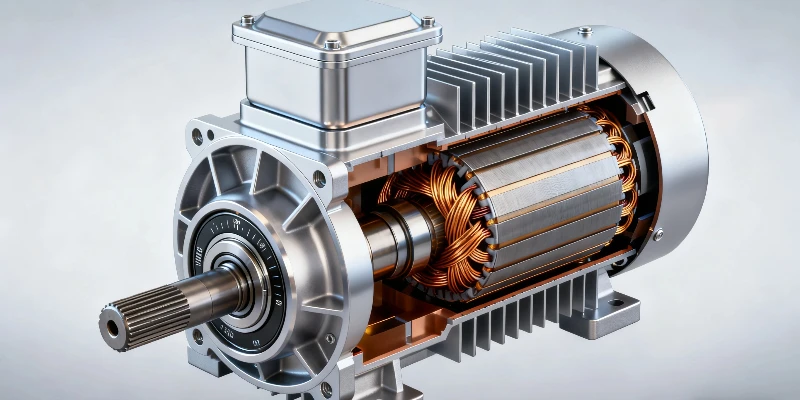
Ignoring the motor housing cover1‘s design can lead to overheating2, contamination3, and premature failure. This oversight jeopardizes the motor’s reliability, increases warranty claims, and ultimately harms your product’s reputation. The motor housing cover is critical because it protects internal components, provides structural integrity, and plays a vital role in heat dissipation. A well-designed cover, often […]
What Is High Precision Machining?

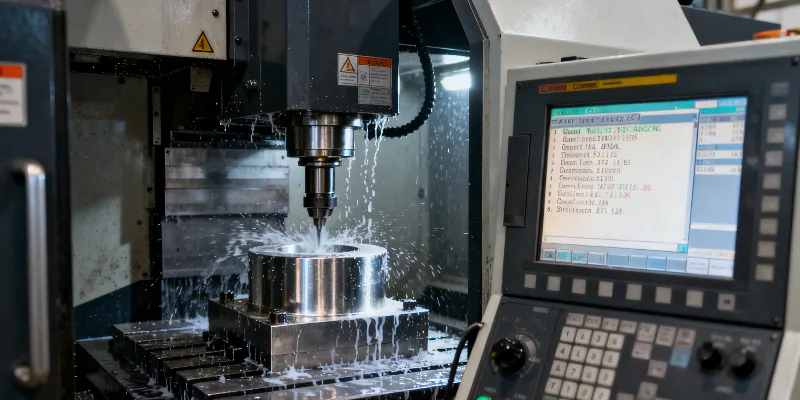
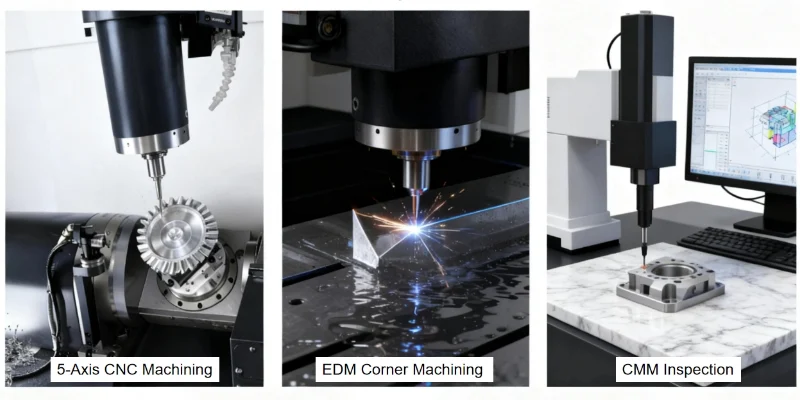
Even tiny, microscopic inaccuracies in critical components can lead to poor performance, excessive wear, and catastrophic failures. In demanding industries like automotive, "close enough" is a recipe for disaster, leading to costly recalls and a damaged reputation. High precision machining is an advanced manufacturing process that creates parts with extremely tight tolerances, often measured in

What Is CNC in Automotive?

Creating complex automotive parts with perfect consistency and precision1 is impossible with manual methods. This leads to quality issues, high scrap rates, and an inability to meet the incredibly tight tolerances2 required by modern engines and vehicle platforms. CNC, or Computer Numerical Control, in automotive is an automated manufacturing process where computers precisely guide high-speed

What Car Parts Are Made of Aluminum?

Using traditional heavy materials like steel in modern cars leads to lower fuel efficiency and sluggish performance. This results in higher running costs for drivers and makes it much harder for automakers to meet strict emissions and economy standards. Many car parts are made of aluminum, including engine blocks, cylinder heads, and pistons to save

What Is the Difference Between Cast Iron and Aluminum Motors?

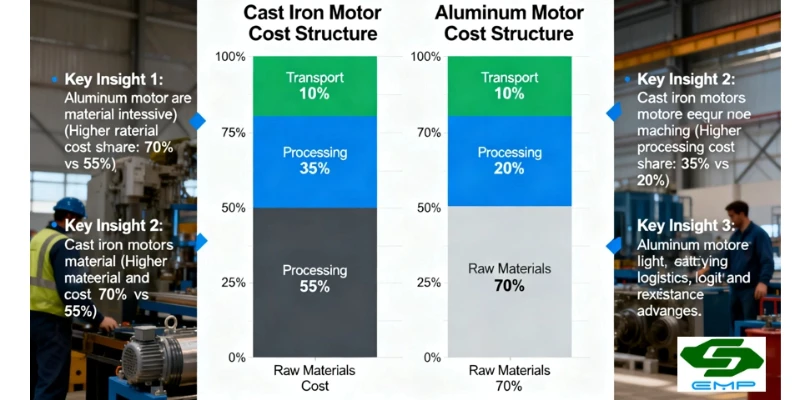
Choosing the wrong housing material for an electric motor can lead to poor performance, inefficiency, or even premature failure. This mistake can result in a final product that is too heavy, runs too hot, or cannot withstand its operating environment. The main difference is the trade-off between weight, strength, and thermal performance. Cast iron motors

What Grade of Aluminum Is Used for Die Casting?

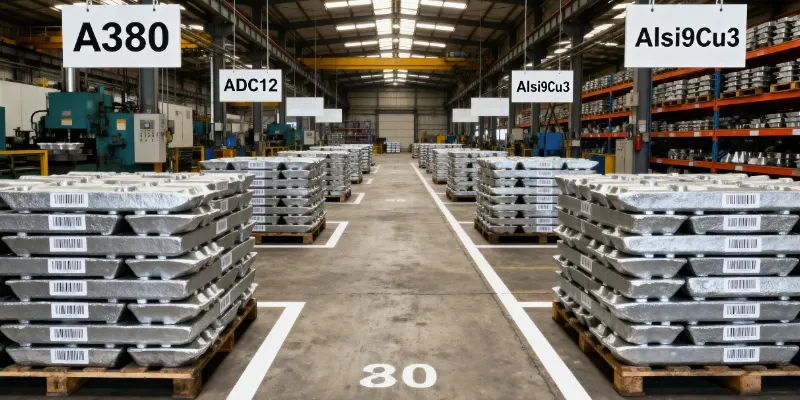
Choosing the wrong aluminum grade can lead to casting defects1, part failure, and unexpected costs. This mistake can easily jeopardize your project timeline, budget, and the final product’s long-term reliability. The most common grade of aluminum for die casting is A380, an alloy known for its excellent balance of castability, mechanical properties, and cost-effectiveness. Other