Author name: Stan

High Pressure Die Casting Explained: A Step-by-Step Process Guide

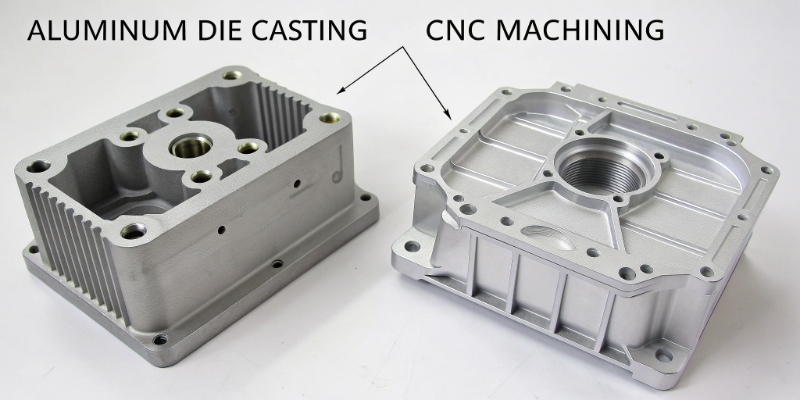
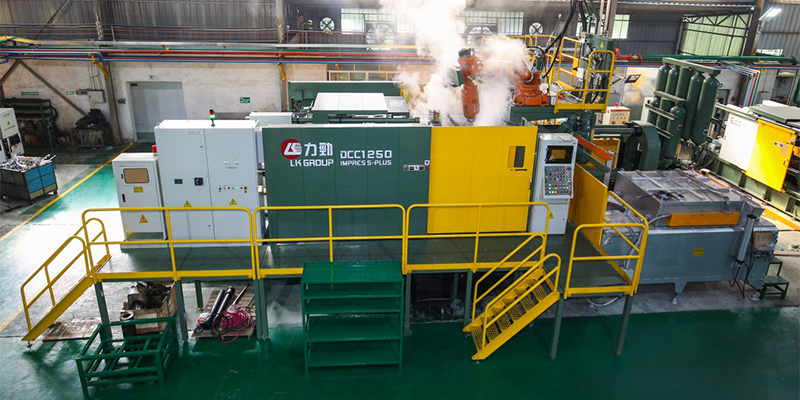
If you look under the hood of any modern vehicle—especially within the powertrain and structural chassis—you are looking at the results of High Pressure Die Casting (HPDC). For automotive engineers and procurement teams, HPDC is the undisputed champion for producing complex, tight-tolerance aluminum components at high volumes. However, while the basic concept (injecting molten metal
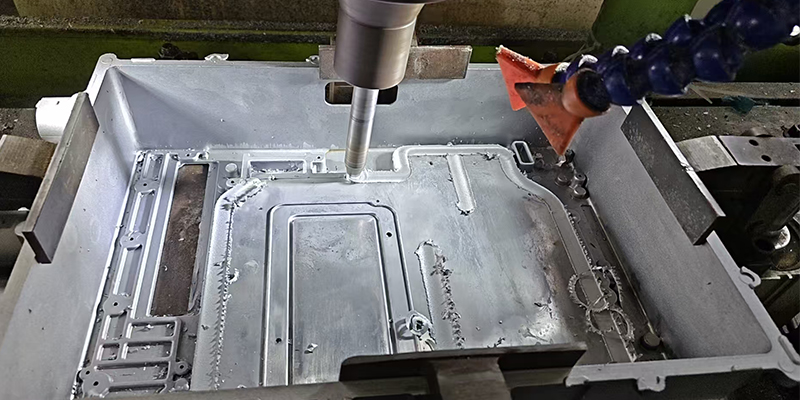
What Is an EV Motor Controller Housing? (Design & Function)

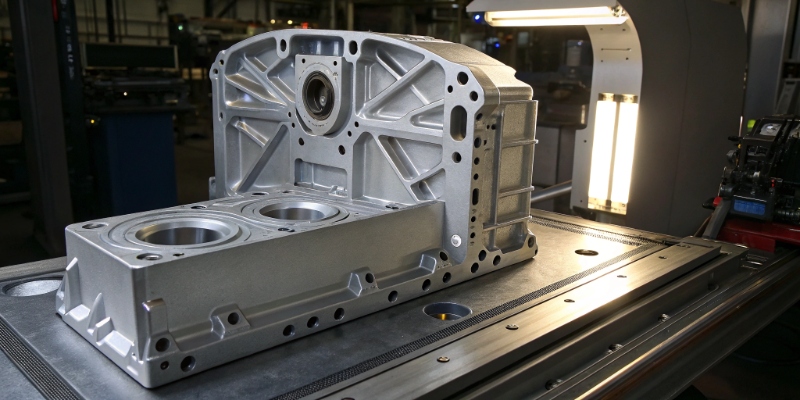
When looking at the architecture of an electric vehicle (EV), the battery and the electric motor usually get all the attention. However, sitting between them is the true "brain" of the powertrain: the motor controller (or inverter). As high-performance EVs shift toward 800V architectures and Silicon Carbide (SiC) MOSFETs, these electronic modules generate immense amounts

Top Automotive Die Casting Suppliers in China (2026 Updated List)

The shift toward New Energy Vehicles (EV/NEV) and vehicle lightweighting has completely redefined the automotive supply chain. For global Tier 1 and Tier 2 suppliers, sourcing aluminum components from China is no longer just about cost reduction—it is about securing advanced engineering capabilities, absolute dimensional stability, and IATF 16949 compliance. Finding a reliable partner among

Thin Wall Aluminum Die Casting for Automotive: What Really Matters?

A thin-wall die casting project can fail fast. Parts warp, leak, crack, or miss cycle time. I will show you the key points that protect launch timing. Thin wall aluminum die casting for automotive works best when I control wall thickness, flow length, vacuum, thermal balance, alloy choice, and machining strategy together. Most failures come

A356 aluminum gravity casting vs die casting: which should you choose?

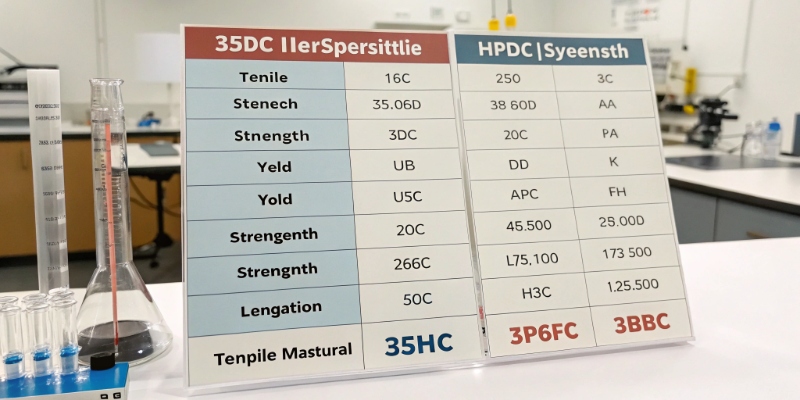
Choosing the wrong process breaks your launch. Cracked parts, leaks, and missed PPAPs hit you at once. I help you choose with clear rules and shop-floor facts. Choose A356 gravity casting for thicker, heat‑treated, weldable parts that need high ductility or leak‑tightness. Choose die casting for thin walls, tight tolerances, high volume, and fast cycles.