

Hidden pores in ADC12 parts cause sudden structural failures. Recalls cost millions and destroy your brand. We solve this problem permanently with advanced mold flow and thermal control.
You achieve zero defects in ADC12 parts by controlling molten metal temperature, optimizing runner designs, and using high-vacuum technology. We strictly monitor the silicon content and use stress-free CNC machining. This completely eliminates internal porosity, prevents warpage, and guarantees perfect assembly for automotive components.
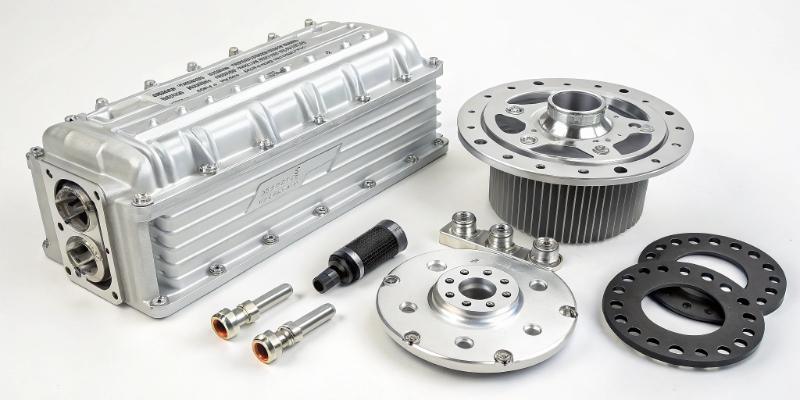
Many suppliers promise perfect ADC12 samples initially. But they fail terribly during high-volume mass production. This inconsistency threatens your entire supply chain. I will share my workshop secrets to help you avoid these massive production disasters. You will learn exactly how to secure safe and reliable parts every time.
Why do ADC12 automotive parts develop internal porosity and how do we stop it?
Trapped air and shrinkage create dangerous holes inside ADC12 parts. Your structural tests fail immediately. We use vacuum casting and squeeze pins to eliminate this deadly porosity entirely.
We stop porosity by combining Magmasoft flow simulation with high-vacuum valves. We remove air from the mold milliseconds before injection. We also apply high-pressure squeeze pins on thick walls. This feeds extra liquid aluminum into the shrinking areas and guarantees a fully dense internal structure.
The challenge of thick walls in ADC12
I spent my early career on the factory floor fixing broken molds. I saw thousands of rejected ADC12 parts. Automotive structural parts often have very thick mounting areas. ADC12 aluminum shrinks significantly when it cools down. The outside of the thick wall cools and becomes solid very fast. The inside stays liquid for a longer time. The liquid inside finally cools and shrinks. It pulls metal away from the center. This creates large shrinkage holes. Your engineers find these holes during X-ray inspections. The parts fail your safety tests immediately.
We never guess the solution. We use data and technology. We simulate the cooling process on a computer first. We find the exact hot spots inside the thick walls. We install high-pressure squeeze pins in the mold at these specific locations. The machine injects the liquid aluminum. The metal starts to cool and shrink. The squeeze pins immediately push fresh liquid aluminum into the shrinking center. This extra material fills the hidden holes completely.
| Defect Type | Root Cause | Our Solution |
|---|---|---|
| Gas porosity | Trapped air during fast injection | High-vacuum system (< 50 mbar) |
| Shrinkage holes | Thick walls cooling too slowly | Localized high-pressure squeeze pins |
| Cold shuts | Metal freezing before filling | Dynamic mold temperature control |
We X-ray the first production parts. We confirm the solid internal structure. You receive totally safe components for your assembly line.
How do we guarantee strict dimensional stability for ADC12 CNC machining?
Warped ADC12 parts destroy your automated assembly lines. Bearings fail and motors vibrate. We use stress-relief processes and floating hydraulic fixtures to deliver perfectly flat and accurate components.
We guarantee perfect dimensions by releasing internal casting stress before machining. We bake the parts in special ovens. We then use floating hydraulic clamps during CNC machining. These clamps hold the part firmly without bending it. The part stays perfectly flat and perfectly round after we release the clamps.
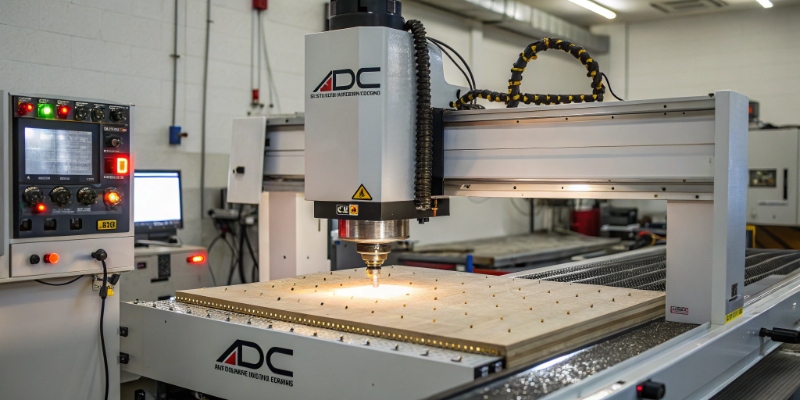
Every Purchasing Director wants cheap and fast production. But fast cooling in the die casting machine creates massive internal stress. The outer skin cools fast. The inside cools slowly. This locks strong invisible forces inside the ADC12 part. I visited a Tier 1 customer in Canada a few years ago. They had a huge assembly problem. Their CNC machined parts looked perfect on the measuring machine. But the parts warped completely after sitting in the warehouse for two weeks. The assembly robots could not fit the parts together.
You cut away the hard outer skin during CNC machining. This releases the hidden stress immediately. The part bends like a banana. You lose dimensional accuracy instantly.
We stop this warping completely. We use artificial aging for critical automotive parts. We put the raw castings into a large oven. We heat the parts to a specific temperature. We keep them hot for several hours. We let them cool down very slowly. This removes all the hidden stress. We then put the parts into the CNC machine. We use intelligent floating clamps. The clamps touch the part softly. The machine cuts the metal accurately. The part keeps its exact shape forever. You get reliable parts for your robots.
How do we ensure flawless surface treatments on ADC12 alloy?
Peeling paint and rust destroy the function of automotive parts. Your customers complain and return cars. We control silicon distribution to guarantee perfect adhesion for plating and coating.
We ensure flawless surfaces by strictly controlling the ADC12 melting process. We remove impurities with rotary degassing. We manage the mold temperature to prevent silicon segregation on the part surface. This creates a clean and uniform aluminum skin. The paint and plating stick perfectly to this clean surface forever.
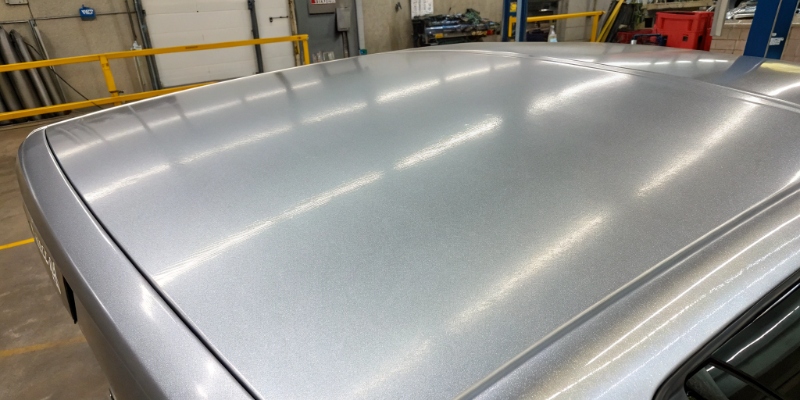
The silicon segregation problem
ADC12 is a great material. ADC12 flows very well into the mold. It flows well because it contains about 10% to 12% silicon. But this high silicon content creates a big headache for surface treatments. I spent many months solving painting failures early in my career. The liquid aluminum pushes the silicon to the surface of the part during injection. The silicon forms hard dark spots on the skin. Paint cannot stick to these silicon spots. Chemical plating cannot bite into these spots. The coating peels off easily after a few months.
You cannot ignore the melting furnace. Dirty metal creates a bad surface. We buy high-quality aluminum ingots. We melt the metal carefully. We use a spinning rotor to mix special gas into the liquid metal. This gas grabs dirt and brings the dirt to the top. We remove this dirty layer.
We also control the mold temperature very strictly. We use thermal oil heaters. We keep the mold hot. A hot mold stops the silicon from rushing to the surface.
| Problem | Root Cause | Our Solution |
|---|---|---|
| Peeling paint | Silicon spots on the surface | High mold temperature control |
| Blisters after plating | Gas trapped under the skin | Rotary degassing in the furnace |
| Poor corrosion resistance | Impurities in the raw material | High-quality ingots and strict fluxing |
You get parts with a smooth and clean skin. The surface treatment lasts for many years.
Conclusion
You need strict material control, stress relief, and advanced vacuum technology to produce perfect ADC12 parts. Our proven methods guarantee reliable and safe automotive components for your factory.


