

Electric vehicle aluminum housing has become a critical component in the modern automotive industry, revolutionizing how manufacturers approach vehicle design and performance. As the electric vehicle market continues to expand rapidly, the demand for lightweight, durable, and efficient housing solutions has never been higher.
What is Electric Vehicle Aluminum Housing?
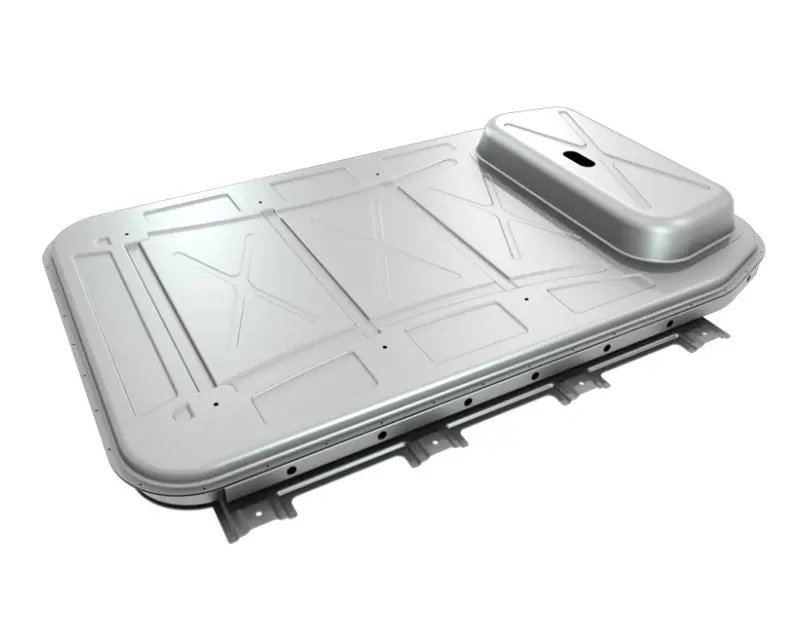
Electric vehicle aluminum housing refers to the protective enclosures made from aluminum alloys that house critical EV components such as batteries, motors, inverters, and charging systems. These housings serve multiple purposes: protecting sensitive electronic components from environmental factors, providing structural integrity, and contributing to overall vehicle efficiency through weight reduction.
Why Aluminum is the Preferred Material for EV Housing
Superior Properties of Aluminum in EV Applications
| Property | Aluminum Advantage | Impact on EV Performance |
|---|---|---|
| Weight | 60% lighter than steel | Increased range and efficiency |
| Corrosion Resistance | Natural oxide layer protection | Extended component lifespan |
| Thermal Conductivity | Excellent heat dissipation | Better battery temperature management |
| Recyclability | 100% recyclable | Sustainable manufacturing |
| Formability | Easy to shape and mold | Complex geometries possible |
Thermal Management Benefits
Electric vehicle aluminum housing excels in thermal management, a crucial factor for EV performance. Aluminum’s high thermal conductivity allows for efficient heat dissipation from batteries and electronic components, preventing overheating and extending component life.
Die-Casting Manufacturing Process for EV Aluminum Housing
Advanced Die-Casting Techniques
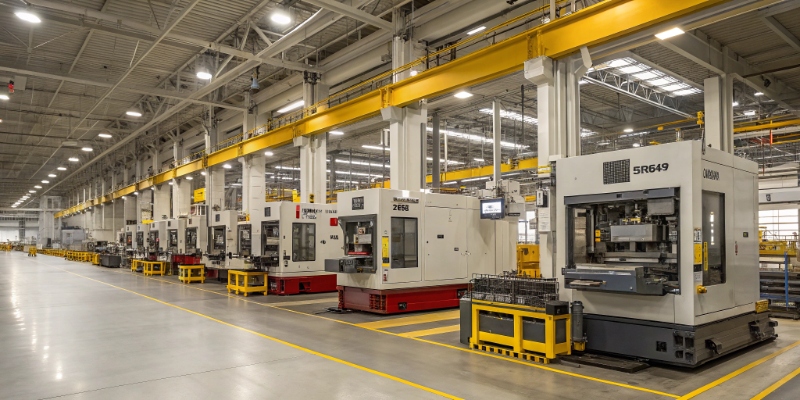
The production of electric vehicle aluminum housing typically involves sophisticated die-casting processes that ensure precision and quality:
High-Pressure Die-Casting (HPDC)
- Rapid injection of molten aluminum into steel dies
- Excellent surface finish and dimensional accuracy
- Ideal for complex geometries with thin walls
Vacuum Die-Casting
- Eliminates air entrapment for superior quality
- Reduced porosity and improved mechanical properties
- Perfect for critical EV housing applications
Quality Control Standards
| Testing Parameter | Specification | Purpose |
|---|---|---|
| Dimensional Accuracy | ±0.1mm tolerance | Precise component fit |
| Pressure Testing | 10 bar minimum | Leak-proof housing |
| Thermal Cycling | -40°C to +85°C | Temperature resistance |
| Corrosion Resistance | 500+ hours salt spray | Long-term durability |
Types of Electric Vehicle Aluminum Housing
Battery Housing Systems
Electric vehicle aluminum housing for batteries represents the largest segment, requiring:
- Waterproof sealing (IP67 rating)
- Impact resistance for crash protection
- Efficient cooling integration
- Easy maintenance access
Motor and Inverter Housing
These housings protect crucial powertrain components and feature:
- Electromagnetic shielding properties
- Vibration dampening characteristics
- Thermal management integration
- Compact design for space optimization
Charging System Housing
Onboard charger housings require:
- High-voltage insulation
- EMI/EMC shielding
- Weather resistance
- Safety compliance features
Design Considerations for EV Aluminum Housing
Structural Integrity Requirements
Electric vehicle aluminum housing must meet stringent safety standards:
Crash Safety Standards
- IIHS and NHTSA compliance
- Deformation control during impact
- Passenger compartment protection
- Battery safety in collisions
Environmental Protection
- IP65/IP67 rating for water/dust protection
- UV resistance for exterior applications
- Chemical resistance to automotive fluids
- Temperature cycling durability
Cost Benefits of Aluminum Housing in EVs
Manufacturing Cost Analysis
| Cost Factor | Aluminum Advantage | Long-term Benefit |
|---|---|---|
| Material Cost | Competitive with steel alternatives | Lower total cost of ownership |
| Processing | Efficient die-casting production | High-volume scalability |
| Assembly | Lightweight handling | Reduced labor costs |
| Maintenance | Corrosion resistance | Lower replacement frequency |
Total Cost of Ownership
Electric vehicle aluminum housing provides significant long-term value through:
- Reduced vehicle weight leading to increased range
- Lower maintenance requirements
- Higher resale value due to durability
- Energy savings in manufacturing
Industry Trends and Future Developments
Advanced Alloy Development
The electric vehicle aluminum housing industry continues to evolve with new alloy compositions:
Next-Generation Aluminum Alloys
- Enhanced strength-to-weight ratios
- Improved thermal conductivity
- Better formability for complex shapes
- Increased recyclability
Integration with Smart Technologies
Modern electric vehicle aluminum housing increasingly incorporates:
- Integrated sensors for condition monitoring
- Smart thermal management systems
- Predictive maintenance capabilities
- IoT connectivity features
Environmental Impact and Sustainability
Lifecycle Assessment
Electric vehicle aluminum housing contributes to environmental sustainability through:
| Environmental Factor | Aluminum Impact | EV Benefit |
|---|---|---|
| Carbon Footprint | Lower than steel production | Reduced overall emissions |
| Recycling Rate | 95% material recovery | Circular economy support |
| Energy Efficiency | Lighter weight = less energy | Extended driving range |
| Durability | 20+ year lifespan | Reduced replacement needs |
Sustainable Manufacturing Practices
Leading manufacturers implement:
- Renewable energy in production
- Closed-loop recycling systems
- Waste reduction initiatives
- Water conservation programs
Selecting the Right EV Aluminum Housing Manufacturer
Key Qualification Criteria
When choosing a supplier for electric vehicle aluminum housing, consider:
Technical Capabilities
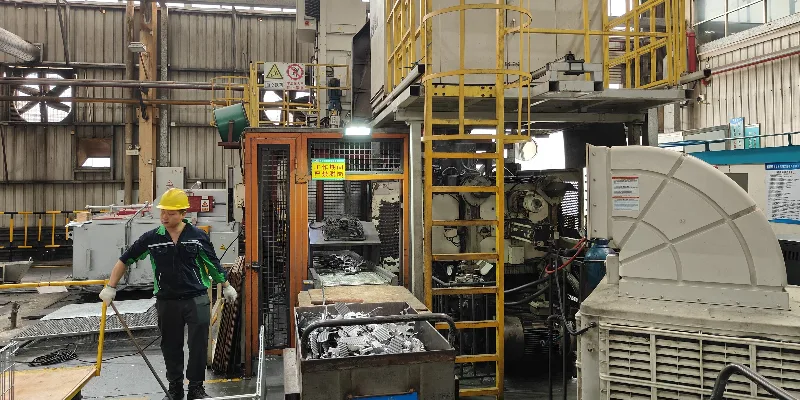
- Advanced die-casting equipment
- Quality management systems (ISO/TS 16949)
- Design and engineering support
- Prototype development capabilities
Production Capacity
- High-volume manufacturing capability
- Scalability for market growth
- Geographic distribution
- Supply chain reliability
Future Market Outlook
Market Growth Projections
The electric vehicle aluminum housing market is experiencing unprecedented growth:
| Year | Market Size (Billion USD) | Growth Rate |
|---|---|---|
| 2023 | 2.8 | 15% |
| 2025 | 4.2 | 22% |
| 2028 | 7.8 | 28% |
| 2030 | 12.1 | 35% |
Emerging Applications
New opportunities for electric vehicle aluminum housing include:
- Autonomous vehicle systems
- Wireless charging integration
- Vehicle-to-grid technology
- Advanced driver assistance systems (ADAS)
Conclusion
Electric vehicle aluminum housing represents a critical technology enabling the transition to sustainable transportation. Through advanced die-casting manufacturing processes, these lightweight yet durable components provide essential protection for EV systems while contributing to improved performance and efficiency.
As the electric vehicle market continues its rapid expansion, the importance of high-quality aluminum housing solutions will only increase. Manufacturers who invest in advanced production capabilities and sustainable practices will be best positioned to meet the growing demand for these essential EV components.
The future of electric vehicle aluminum housing lies in continued innovation, with developments in alloy technology, smart integration, and sustainable manufacturing practices driving the industry forward. For automotive manufacturers and suppliers, partnering with experienced die-casting specialists ensures access to the latest technologies and highest quality standards in EV aluminum housing production.


