Author name: Fannie

How Can You Significantly Improve the Life of Your Die-Casting Molds?

Are your die-casting molds1 failing far earlier than expected? This unplanned downtime destroys production schedules and inflates your costs, forcing you to pay for constant repairs and early replacements. Improve mold life by using high-quality steel like H13, optimizing the design to reduce stress, managing thermal shock through proper preheating, applying protective coatings, and performing […]

The Rise of OEM Car Parts: How Electric Aluminum Die Casting is Revolutionizing Automotive Manufacturing

Introduction The automotive industry is rapidly evolving, with electric vehicles (EVs) leading the charge toward sustainability and innovation. At the heart of this transformation are OEM car parts1, specifically electric aluminum die casting2 parts, which are redefining vehicle design, performance, and efficiency. In this article, we explore why aluminum die casting has become a cornerstone

How High Vacuum Die Casting Reduces Porosity Defects

Porosity defects, such as gas entrapment and shrinkage voids, are common challenges in aluminum die casting, impacting the quality of EV components like battery enclosures, motor controller housings, and transmission cases. High vacuum die casting1 (HVDC) is an advanced manufacturing technique that significantly reduces these defects, ensuring high-quality, durable parts for electric vehicles. Understanding Porosity

Points of Aluminum Die-Casting Anodizing, Coloring, and Sealing Process

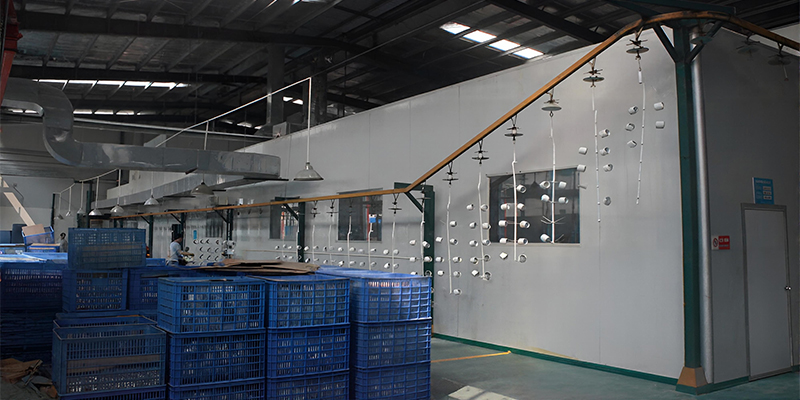
Are you getting inconsistent colors or seeing premature corrosion on your anodized aluminum parts? These finish failures can derail your projects and lead to costly rejections from your customers. Achieving a perfect finish requires five key stages: meticulous surface preparation, controlled anodizing to build the oxide layer, uniform coloring, proper sealing to lock in protection,

2025 Car Parts as Aluminum Die Castings

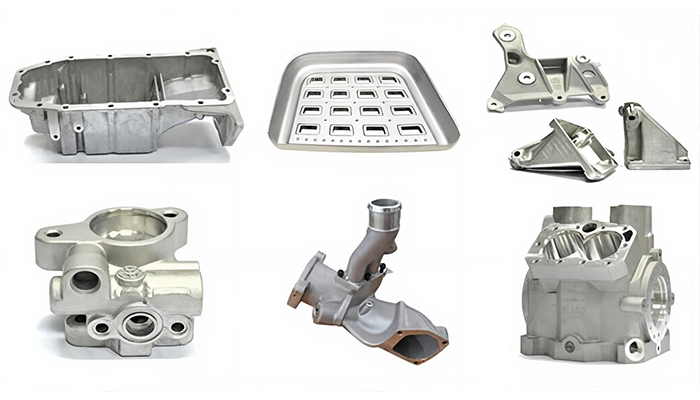
Are you struggling to meet the intense demands for lighter, stronger, and more complex car parts? Outdated manufacturing methods just can’t keep up with the fast pace of the EV revolution. In 2025, aluminum die casting will define car parts by enabling the mass production of lightweight structural components and complex thermal management systems. It

How Do You Deal with Mold on the Surface of Die-Cast Aluminum Alloy Parts?

Are you unboxing your precision aluminum parts only to find them covered in ugly white spots? This "mold" ruins the appearance and can cause costly rejections from your customers. Treat this "mold"—which is actually aluminum corrosion—by cleaning with a neutral pH solution and drying the parts completely. The best long-term solution is prevention through proper