Author name: Fannie

Advantages and characteristics of aluminum alloy die castings

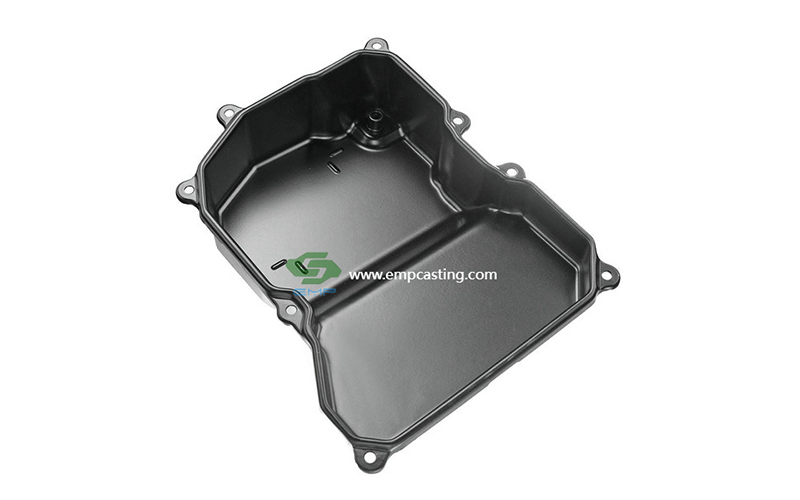
Aluminum alloy die-casting is a widely used die-casting material at present. Aluminum alloy die-casting products are mainly used in lamps, automobiles, motors, home appliances, and some communication industries. They can also be used in large ships, aircraft, and mechanical parts. Let’s talk about the advantages and characteristics of aluminum alloy die castings. Advantages of aluminum […]

3 Ways to solve the internal defects of aluminum alloy die casting

Internal Defects of Die Castings Aluminum castings are widely used in auto parts, machinery manufacturing parts, computer parts, telecommunication parts, pump and valve parts, and other industries. The quality of aluminum alloy dies castings is affected by various factors in the actual production process. The internal defects of aluminum alloy die castings include pores, shrinkage

PPAP Process

PPAP is a common acronym within manufacturing which stands for Production Part Approval Process. It is a quality assurance process used in the industrial chain of the automotive industry to confirm the quality of parts supplied by parts suppliers and their manufacturing processes. PPAP is a series of documents approved by suppliers and customers and

How Do You Ensure Quality During High-Pressure Aluminum Die Casting?

Are inconsistent parts and hidden defects like porosity causing costly rejections? This unreliability erodes trust with your customers and inflates your production costs. Ensure quality by implementing real-time monitoring of casting parameters, using advanced defect detection during injection, and rigorously verifying the integrity of your mold and aluminum alloy1 before every run. I’ll never forget

How Do You Achieve Precision with Post-Casting Machining on Aluminum Components?

Are you struggling with machined aluminum castings that fail to meet tight tolerances? These inconsistencies can cause assembly line failures, customer rejections, and completely derail your project timelines. Achieving precision requires a systematic approach, starting with robust CNC processes like milling and turning, then controlling key variables like workholding and tooling, and finally using advanced

Which Surface Treatment Best Enhances Your Aluminum Die Cast Parts’ Durability?

Are your die-cast parts failing from corrosion or wear long before their expected service life? These failures damage your product’s reputation and lead to expensive warranty claims and rework. The best treatment depends on the specific need: anodizing for corrosion resistance, powder coating for robust protection and aesthetics, electroplating for wear resistance, and chemical conversion