Author name: Stan

Beyond the Assembly Line: 5 Core Goals Driving the Automotive Industry’s Future

The automotive world is changing faster than ever. For decades, the industry perfected the art of mass-producing internal combustion engines1. Now, a wave of new demands—from electric power to autonomous driving and sustainability—is forcing everyone, from global procurement directors to on-the-ground quality engineers, to rethink their entire strategy. Sticking to old methods means falling behind, […]

What Makes a Top Electric Vehicle Parts Manufacturer?

Struggling to find a reliable EV parts supplier? Imagine a partner who delivers precision-engineered components that meet strict quality standards, on time and within budget, accelerating your project’s success. A top electric vehicle (EV) parts manufacturer specializes in producing critical components like motor housings and battery enclosures using advanced processes. They focus on lightweight materials,

What Makes a Modern EV Battery Enclosure So Critical?

The battery pack1 in an electric vehicle is its heart, but also its most vulnerable component. A failure in the protective enclosure during a crash can lead to a catastrophic fire, a constant worry for engineers and drivers. A modern EV battery enclosure is a highly engineered system that provides structural crash protection, manages battery

What Is the Future of Die Casting in Electric Vehicle Motor Housings?

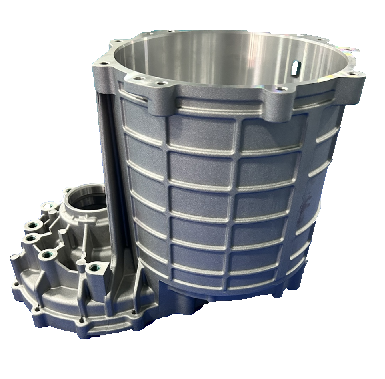
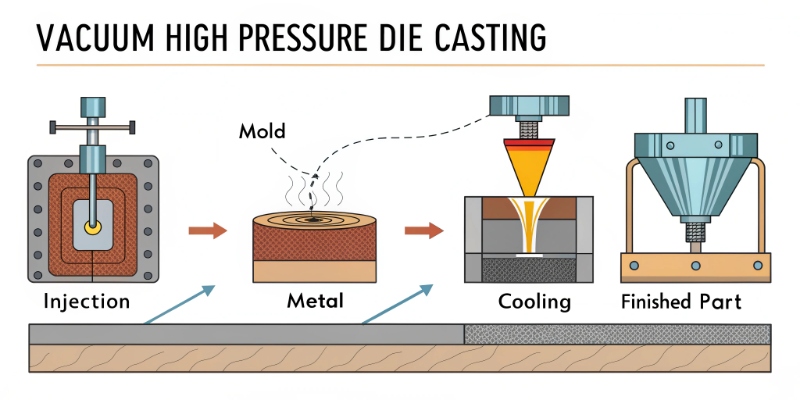
Electric vehicles demand motors that are powerful, efficient, and lightweight. Traditional manufacturing methods often create components that are too heavy and complex, limiting vehicle range and performance, a major engineering roadblock. The future is high-tech aluminum die casting. This process is essential for producing lightweight motor housings with integrated cooling and complex features at a

How Do You Solve the Most Common Machining Issues with Die-Cast Housings?

Perfectly cast housings fail in the final machining stage, creating piles of costly scrap. This unexpected waste ruins production schedules and eats into your profit margins, turning success into a last-minute failure. Solving machining issues requires a robust strategy combining sharp tooling, optimized cutting parameters, rigid fixturing, and a casting process designed to minimize subsurface

Why Is Die Casting the Best Choice for Power Inverter Enclosures?

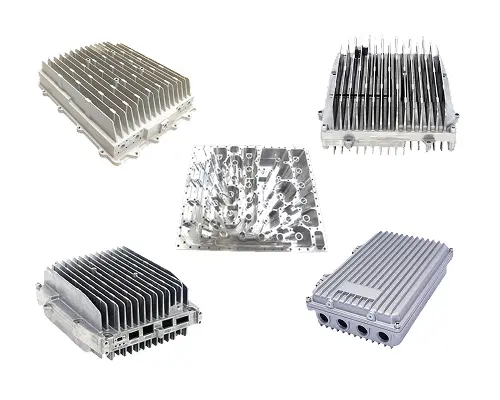
Your electric vehicle’s power inverter1 gets incredibly hot. If that heat isn’t managed, performance drops, reliability is compromised, and you risk a catastrophic failure on the road, a constant worry for engineers. Die casting is the best choice because it produces lightweight, strong aluminum enclosures2 with integrated cooling features3. This process is perfect for dissipating