

Bad castings right from the start of a production run cause frustrating delays and piles of scrap. This instability eats into your efficiency and throws your project timelines completely off schedule.
Correct mold preheating involves bringing the die to a stable operating temperature, typically between 180°C and 280°C, using integrated oil or water heaters, or external gas torches. This step is critical for preventing defects, protecting the tool, and achieving part consistency.
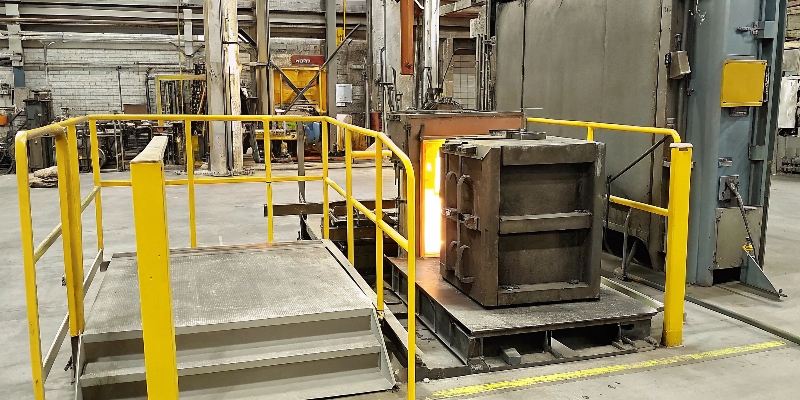
As a young technician on the shop floor, I learned a very important lesson: you can’t rush the start of a production run. Skipping or cutting corners on preheating the mold is a recipe for disaster. The first half-hour would be chaos, producing nothing but scrap parts with swirls, cracks, and incomplete sections. It felt like we were fighting the machine. Now, when I consult with my Tier 1 customers’ quality engineers, I explain that preheating isn’t just a warm-up; it’s the first and most critical step in establishing a stable and repeatable process. It sets the stage for a successful run, ensuring quality from the first shot to the last.
Why is Mold Preheating So Important in Aluminum Casting?
Starting a run with a cold mold causes immediate defects and dimensional instability. You scrap the first twenty parts, wasting valuable machine time, aluminum, and a lot of energy.
Preheating prevents violent thermal shock, which can crack the expensive die steel. It ensures the molten aluminum flows correctly to prevent defects like cold shuts and improves the part’s final dimensional stability, dramatically reducing startup scrap.
Think about what happens when you pour hot liquid into a cold glass; it can shatter. Now imagine that on an industrial scale. We are injecting molten aluminum at around 680°C into a massive block of H13 tool steel that’s at room temperature. This extreme temperature difference, or thermal shock, creates immense stress in the steel. It can cause micro-cracks on the mold surface, known as heat checking, which eventually grow and ruin the tool, leading to very expensive repairs. Beyond protecting the tool, a warm mold is essential for part quality. A cold mold surface chills the aluminum instantly, making it sluggish. This "lazy" metal flow causes cold shuts, flow lines, and incomplete filling of the cavity, especially in thin-walled sections. By preheating, we ensure the mold is ready to accept the aluminum, allowing it to flow smoothly and create a perfect part from the very first cycle. It turns an unstable, unpredictable startup into a controlled and efficient process.
What Are the Right Temperature Ranges and Control Methods?
You know preheating is important, but if the temperature is wrong, you’re still making bad parts. Inconsistent heating methods create hot and cold spots, leading to a whole new set of quality problems.
The ideal preheating temperature is typically between 180°C and 280°C (356°F to 536°F). This is best controlled with a mold temperature controller (oil or water) for uniform heating, though manual gas torches can be used for smaller tools.
The goal of preheating is to get the mold surface temperature as close as possible to its ideal operating temperature before the first shot. The exact temperature depends on the alloy, part thickness, and complexity, but a good starting point is usually in the 180°C to 280°C range. The best way to achieve this is with a dedicated mold temperature controller unit. These are essentially heaters that circulate hot oil or pressurized water through channels we design directly into the mold steel. This is the gold standard because it provides slow, uniform, and precisely controlled heating to the entire tool. Thermocouples embedded in the mold provide real-time feedback to the controller, ensuring we hit and hold the target temperature. For smaller, simpler tools, or for localized heating, handheld gas torches are sometimes used. However, this method is very reliant on operator skill and can easily create hot spots, so we try to avoid it for critical, high-precision parts common in the automotive industry.
How Does Preheating Impact Porosity and Surface Quality?
The first parts off the line have swirl marks, and X-rays show gas porosity just under the surface. These defects cause rejections and threaten your ability to meet airtightness or painting specifications.
Proper preheating creates a smoother, less turbulent metal flow, which minimizes trapped air and reduces gas porosity. It also prevents flow lines and cold shuts, resulting in a clean, uniform surface finish that is ideal for sealing or painting.
The surface quality of a casting is a direct reflection of how the metal flowed into the cavity. When molten aluminum hits a cold mold surface, the leading edge of the flow solidifies almost instantly, creating a "skin." As the flow continues, this skin gets folded and tumbled, creating the ugly flow lines and swirl marks you can see on the surface. These are not just cosmetic issues; they can indicate weak points in the part. More importantly, this chaotic, turbulent flow traps air and vaporized lubricant, leading to gas porosity just below the part’s surface. These tiny bubbles are a nightmare for any part that needs to be airtight, like an EV controller housing. A properly preheated mold completely changes this dynamic. The hot surfaces allow the aluminum to flow in a more laminar, or smooth, fashion. It fills the cavity gently and progressively, pushing the air out ahead of it through the vents. This results in a part with a pristine surface and minimal internal gas, which is exactly what my customers need for their high-performance applications.
How Do We Rationally Use Aluminum Casting in Cars?
You’re designing a new automotive component and considering aluminum casting. But you need to know where it makes the most sense to use it to get the biggest benefits in performance and cost.
Aluminum casting is best used for components where lightweighting, heat dissipation, and complex integration are critical priorities. This includes EV motor and electronics housings, battery trays, and large structural parts like shock towers and subframes.
Aluminum die casting is a powerful tool, but it’s not the solution for every single part on a car. The "rational use" means applying it where its unique advantages provide the most value. In the automotive world, especially with EVs, there are a few key areas where it excels. First, anything related to the electric drivetrain. We make housings for motors, inverters, and on-board chargers. Here, aluminum’s combination of light weight and excellent heat dissipation is a perfect match. Second, battery enclosures and trays. These need to be lightweight, strong, and are often designed with integrated cooling channels, which is a perfect job for die casting. Third, and this is a major growth area, are large structural components. Parts like shock towers, subframes, and chassis nodes, which were traditionally made from dozens of stamped steel pieces, are now being replaced by single, large aluminum "mega-castings." Using it in these applications allows OEMs to remove significant weight, simplify assembly, and improve vehicle rigidity all at once.
What Are the Energy and Cost Factors in Preheating?
Preheating a multi-ton steel mold takes a lot of energy and time, which costs money. You need to know if the benefits of preheating truly outweigh these operational costs for your project.
While preheating consumes energy, it drastically reduces startup scrap, shortens the time to get good parts, and prevents premature tool failure. The cost of preheating is far lower than the cost of wasted material, machine time, and expensive tool repairs.
A procurement director like Simon from Eugen Forschner GmbH is always focused on the bottom line, and rightly so. He would look at the energy bill for preheating a large die for two hours and ask if it’s really necessary. My answer is always an emphatic yes, and here’s the business case. Let’s say it takes 20 shots to get the mold up to temperature naturally. At one part every 90 seconds, that’s 30 minutes of machine time producing nothing but scrap. That’s wasted aluminum, wasted energy for the melting furnace and the machine, and wasted labor. Now compare that to using an efficient mold heater to preheat the tool before the operator even arrives. The moment production starts, the first part is a good part. The savings from eliminating that startup scrap almost always outweigh the cost of the electricity for the heater. More importantly, you are protecting the tool, which can cost hundreds of thousands of dollars. Preventing just one major crack in the tool steel pays for years of preheating energy costs. It’s a classic case of "invest a little to save a lot."
What Safety Precautions are Needed for Mold Preheating?
You have a team working around massive, hot machinery. The preheating process introduces additional risks, and you must ensure that all safety procedures are in place to prevent accidents and injuries.
Safety during preheating involves using certified equipment, ensuring proper ventilation for gas torches, wearing appropriate personal protective equipment (PPE) like heat-resistant gloves and safety glasses, and never leaving the heating process unattended.
Safety is the number one priority in any manufacturing facility. Preheating a large steel die to over 200°C introduces significant hazards that must be managed. When using external gas torches, the biggest risks are fire and exposure to fumes, so this must be done in a well-ventilated area by trained personnel. Using electric or oil-based mold temperature controllers is generally safer as the system is enclosed. However, the risk of burns from touching the hot mold, platens, or fluid lines is very real. At our facility, a strict "lockout/tagout" procedure is in place during setup and preheating. All personnel working in the cell must wear full PPE, including heat-resistant gloves, sleeves, safety glasses, and steel-toed boots. We also use thermal imaging cameras to verify mold temperatures from a safe distance, rather than having to touch the surface. Clear procedures and constant training are not optional; they are essential for protecting our team. For a Supplier Quality Engineer like Jure, seeing these robust safety protocols during an audit is a key indicator of a professional and reliable supplier.
Conclusion
Properly preheating your mold is not an optional step. It is a fundamental requirement for protecting your tooling, ensuring consistent quality, and achieving the cost-effective, rational use of aluminum casting in manufacturing.


