

Are you wondering how Electric Vehicles (EVs) are achieving their remarkable improvements in range, safety, and overall efficiency? The key often lies hidden within the manufacturing processes and materials used for their critical components.
High-Pressure Aluminum Die Casting significantly impacts EV performance by enabling lightweighting for extended range, enhancing structural integrity for safety, and providing superior thermal and electromagnetic management for optimal power system operation.
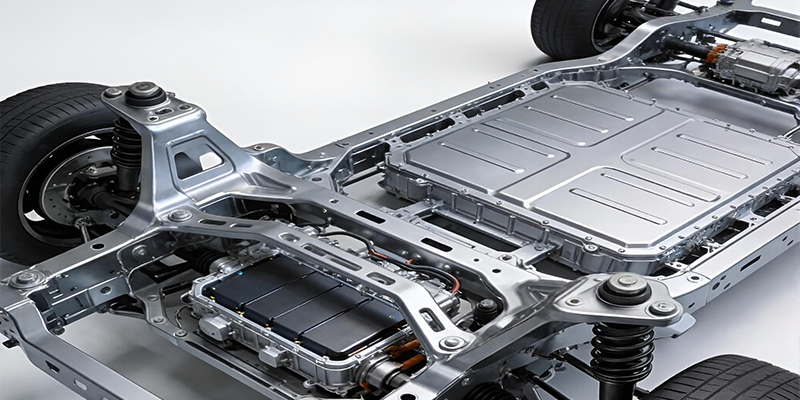
For over two decades, I’ve seen firsthand how crucial material and process selection are in the automotive industry, especially with the rapid evolution of Electric Vehicles. Early in my career, steel was king for structural parts, but with the advent of EVs, the need for lightweighting became paramount. I remember a project involving a new battery enclosure for a Tier 2 supplier from the US. Their initial design, based on traditional fabrication, was too heavy and complex, directly impacting the vehicle’s potential range. My team at EMP Tech proposed a High-Pressure Die Casting (HPDC) aluminum solution. By leveraging aluminum’s inherent lightness and HPDC’s ability to create complex, integrated structures, we delivered a housing that was significantly lighter, stronger, and also incorporated internal thermal management features. This not only met their weight targets but also improved battery performance and simplified assembly. This experience powerfully demonstrated the transformative impact of HPDC aluminum die casting on EV performance.
How do lightweight aluminum alloys boost EV range and energy efficiency?
Are your current manufacturing processes struggling to reduce the weight of EV components, thereby limiting the vehicle’s overall range and energy efficiency? Traditional methods often fail to achieve the crucial balance of strength and lightness required.
Lightweight aluminum alloys boost EV range and energy efficiency by significantly reducing overall vehicle mass due to their high strength-to-weight ratio, which directly translates to less energy consumption needed to propel the vehicle, thus extending battery life per charge.
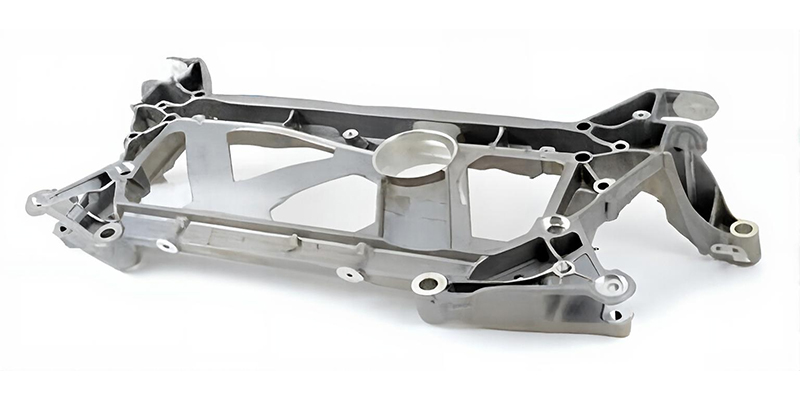
In the world of Electric Vehicles, weight is the enemy of range. The heavier an EV is, the more energy its battery consumes to move it. This directly impacts how far the vehicle can travel on a single charge. This is where lightweight aluminum alloys, particularly when processed with HPDC, become a game-changer. Aluminum is naturally about one-third the density of steel. This means that for a part of equal volume and comparable strength, an aluminum component will be significantly lighter. For example, replacing a traditional stamped steel body-in-white structure with advanced aluminum multi-material designs, including large structural die castings, can shave hundreds of kilograms off the vehicle’s total mass. This substantial weight reduction means the electric motor has less mass to accelerate and maintain speed, directly leading to lower energy consumption from the battery. The net result is a considerable increase in driving range and improved overall energy efficiency. I’ve often seen how design teams, working with our DFM analysis, can strategically place HPDC aluminum parts to achieve optimal weight distribution, further enhancing vehicle dynamics and efficiency.
How does High-Pressure Die Casting lead to stronger and safer EV chassis components?
Are you concerned about the structural integrity and crash safety of your EV chassis components, especially with the need to protect sensitive battery packs and occupants? Traditional manufacturing might not offer the ideal solution for these rigorous demands.
High-Pressure Die Casting leads to stronger and safer EV chassis components by producing parts with superior material density, allowing for complex, integrated designs that enhance structural rigidity, improve crash energy absorption, and meticulously protect the battery module.
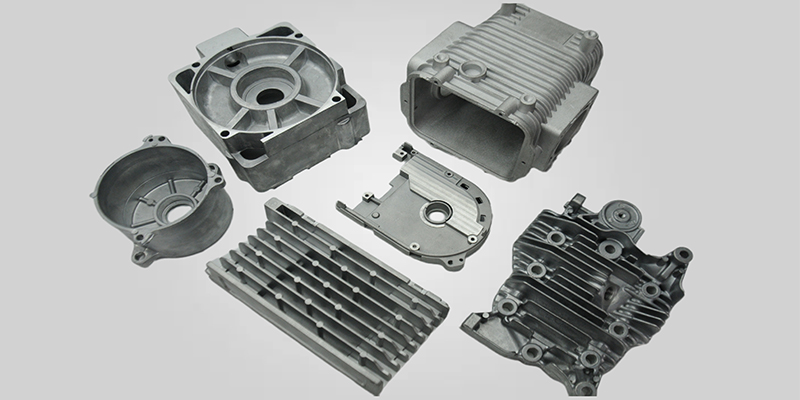
The chassis of an Electric Vehicle is more than just a frame; it’s the backbone that carries the battery, motor, and passengers, while also being the first line of defense in a collision. HPDC aluminum components play a vital role in making this backbone both stronger and safer.
HPDC for Enhanced EV Chassis Strength and Safety
| Feature | Description | Impact on EV Chassis Strength and Safety |
|---|---|---|
| Superior Material Density | The high pressure used in HPDC ensures that molten aluminum fills the mold cavity completely and rapidly, resulting in castings with extremely low porosity and a fine-grained microstructure. This process significantly reduces internal voids and defects often found in other casting methods. | Leads to higher mechanical properties like increased tensile strength, yield strength, and fatigue resistance. This robust material withstands higher stresses and impacts, making chassis components more resilient to daily driving forces and critical in crash scenarios. |
| Functional Integration & Part Consolidation | HPDC allows for the creation of large, complex, monolithic components that can integrate multiple functions that would typically require several smaller parts joined together. This includes designing in reinforcing ribs, mounting points, and crash box structures directly into a single casting. | Reduces the number of joints (welds, rivets, bolts) which are potential weak points. A unified, integrated structure provides superior torsional rigidity and bending stiffness, crucial for maintaining vehicle dynamics and protecting the passenger cell and battery during a crash. |
| Optimized Crash Energy Absorption | With advanced CAE (Computer-Aided Engineering) tools and mold design, HPDC components can be engineered to deform in a controlled and predictable manner during a collision. This involves designing sacrificial crash zones and load paths within the casting structure. | Maximizes the absorption and dissipation of crash energy away from the occupants and the high-voltage battery pack. This controlled deformation protects all key areas, significantly enhancing occupant safety and preventing potential thermal runaway from battery damage. |
| Dimensional Accuracy and Repeatability | HPDC produces parts with very tight dimensional tolerances and excellent shot-to-shot repeatability. This precision is vital for the assembly of complex chassis systems. | Ensures precise fit and alignment of chassis components, reducing stress concentrations caused by misaligned parts and improving the overall structural integrity of the vehicle. This reliability is paramount for consistent safety performance over the vehicle’s lifespan. |
What are the thermal and electromagnetic advantages of aluminum in EV power systems?
Are you struggling with overheating sensitive electronic components or managing electromagnetic interference (EMI) in your EV power systems? Inefficient thermal management and inadequate EMI shielding can severely compromise performance and reliability.
Aluminum in EV power systems offers significant thermal and electromagnetic advantages due to its high thermal conductivity, efficiently dissipating heat from critical components, and its inherent ability to provide effective electromagnetic shielding for sensitive electronics.
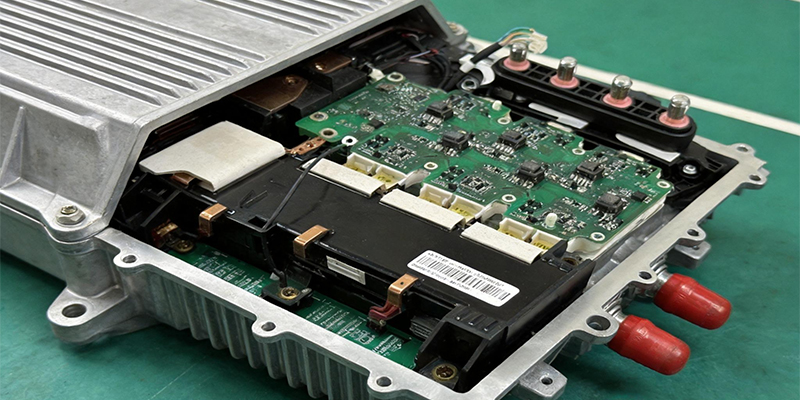
In the core of every Electric Vehicle lies a sophisticated power system – the battery, inverter, motor, and on-board charger (OBC) – all generating heat and often radiating electromagnetic fields. Managing these factors is crucial for the EV’s performance, reliability, and longevity. Aluminum die castings, leveraging the material’s inherent properties and HPDC’s manufacturing precision, offer powerful solutions.
Thermal Advantages of Aluminum
| Characteristic | Description | Impact on EV Power Systems |
|---|---|---|
| High Thermal Conductivity | Aluminum is an excellent conductor of heat, significantly better than steel. This means heat generated by components like batteries or power electronics can be quickly transferred away from the source throughout the component structure. | Efficiently dissipates heat from critical components, preventing overheating. This extends the lifespan of expensive battery cells, motors, and electronics, and ensures they operate within optimal temperature ranges, maintaining peak performance and avoiding power derating. |
| Integrated Cooling Features | HPDC excels at creating complex geometries allowing for the seamless integration of detailed cooling channels, fins, and heat sinks directly into the housing or casing of power system components. | Eliminates the need for separate, bulky cooling plates or complex assemblies, saving space, weight, and assembly time. This optimized convective cooling directly improves the efficiency of heat exchange with liquid coolants or ambient air. |
Electromagnetic Advantages of Aluminum
| Characteristic | Description | Impact on EV Power Systems |
|---|---|---|
| Effective EMI Shielding | Aluminum, as an electrically conductive material, forms an effective Faraday cage when designed as a closed housing. It blocks and reflects electromagnetic interference (EMI) and radio frequency interference (RFI) from entering or exiting the enclosed electronic components. | Protects sensitive control electronics (e.g., motor controllers, inverters, communication modules) from external electromagnetic noise that could disrupt their operation. Conversely, it prevents internal EMI from affecting other vehicle systems or complying with regulatory standards. |
| Grounding Capabilities | The conductive nature of aluminum die castings also allows them to serve as excellent grounding paths for electronic components. | Ensures proper electrical grounding, which is crucial for safety and for minimizing electrical noise within the vehicle’s complex electrical architecture, contributing to overall system stability and reliability. |
How does EMP Tech deliver high-quality die cast solutions for New Energy Vehicles?
Are you seeking a die casting partner who can consistently meet the stringent quality, performance, and timeline requirements for your New Energy Vehicle projects? Finding a manufacturer with proven reliability and expertise is critical.
EMP Tech delivers high-quality die cast solutions for New Energy Vehicles through our comprehensive DFM analysis, advanced mold development, meticulous process optimization, and a deep-rooted commitment to quality control and customer collaboration throughout the entire production lifecycle.
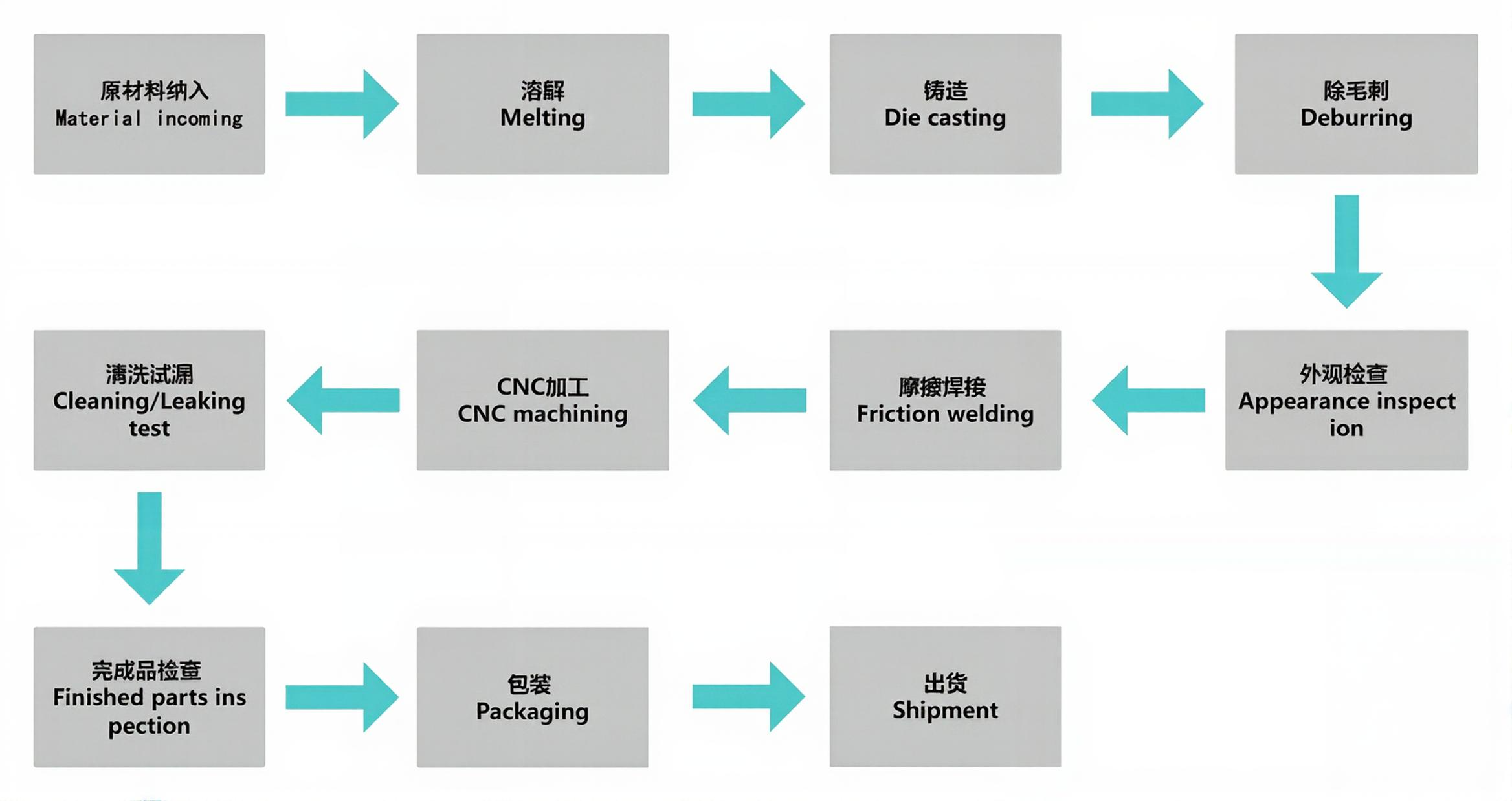
For New Energy Vehicle manufacturers, the stakes are incredibly high. They demand components that are not only innovative and lightweight but also adhere to the strictest quality standards and project timelines. At EMP Tech, my team and I have spent over 20 years perfecting our approach to meet these exact challenges.
EMP Tech’s Multi-Faceted Approach to Quality Die Casting for NEVs
| Process Stage / Expertise | EMP Tech’s Contribution | Resulting High-Quality Solution for NEVs |
|---|---|---|
| DFM Analysis & Early Collaboration | We engage with our customers from the very beginning, performing in-depth Design for Manufacturability (DFM) analysis on product structures. This proactive approach identifies potential casting issues, optimizes part geometry for HPDC, and suggests design improvements before mold creation. | This ensures that the component is inherently designed for high-quality, lightweight, and efficient production, minimizing errors and costly rework later. It allows us to seamlessly integrate complex NEV requirements like thin walls, integrated cooling, and mounting features. |
| Advanced Mold Development | Our expertise extends to collaborative mold development. We use state-of-the-art mold flow simulation and thermal analysis to optimize gate/runner systems, cooling channels, and ejection mechanisms. This predictive modeling helps us design robust molds that produce consistent, defect-free parts. | Customers benefit from molds that are "first-time right," significantly reducing mold trial iterations and shortening the overall development timeline. The molds are engineered for extended lifespan and consistent production of high-precision parts, crucial for mass-produced NEV components. |
| Process Optimization & Control | With decades of hands-on experience, we fine-tune every aspect of the die casting process – from precise adjustment of injection parameters (speed, pressure) and metal pouring temperatures to optimal cooling rates and use of advanced lubricants. Our goal is to achieve consistent material properties and dimensional accuracy. | This meticulous control results in NEV components with excellent mechanical properties, minimal internal porosity, perfect surface finish, and tight dimensional tolerances, meeting or exceeding IATF 16949 standards for critical automotive applications like motor housings, OBCs, and structural castings. |
| Comprehensive Quality Assurance | Quality is embedded throughout our process. We implement rigorous inspection protocols using advanced metrology equipment, including CMM and X-ray inspection, to ensure every part meets the specified criteria for geometry, material integrity (e.g., absence of porosity), and functional performance (e.g., airtightness tests). | Every die-cast solution delivered is verified for its quality and reliability, giving NEV manufacturers confidence in their supply chain. This proactive quality control prevents potential field failures, ensuring the safety and long-term performance of the Electric Vehicle. |
| Responsive Engineering Support | Our engineering consultants work closely with customers, providing expert advice, troubleshooting any production challenges, and actively seeking innovative solutions for unique NEV requirements, such as enhanced battery enclosures or new thermal management designs. | Beyond just parts, customers gain a strategic partner who assists in overcoming complex engineering hurdles and stays abreast of evolving NEV technologies. This collaborative approach fosters innovation and ensures that EMP Tech’s solutions continuously meet future industry demands. |
Conclusion
High-pressure aluminum die casting profoundly impacts EV performance through lightweighting, stronger components, and superior thermal/EMI management. EMP Tech delivers these high-quality, precision die-cast solutions, enhancing NEV range, safety, and reliability for our customers.


