

In the modern automotive industry, the race for lightweighting is relentless. As manufacturers shift toward Electric Vehicles (EVs) and higher fuel efficiency standards for ICE vehicles, reducing component weight is no longer optional—it is a necessity.
One of the most effective strategies for weight reduction is thin-wall die casting. However, casting ultra-thin geometries requires specific material properties to ensure the mold fills completely without defects. This is where Aluminum-Silicon (Al-Si) alloys become the industry standard.
As a dedicated die-casting manufacturer for automotive parts, we explore why Al-Si alloys are the superior choice for thin-wall applications and how to select the right grade for your project.
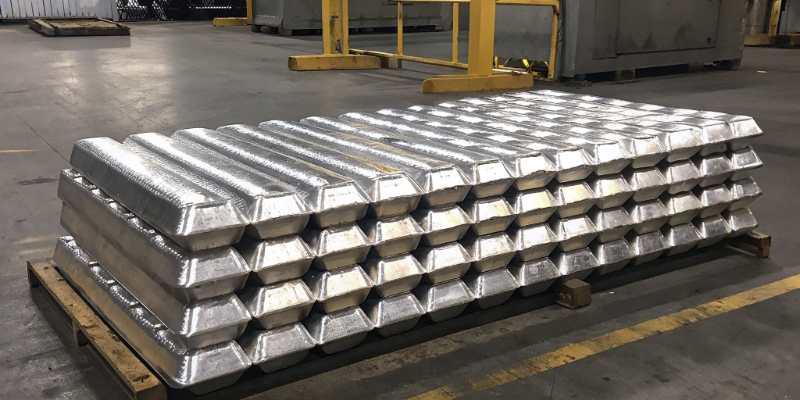
Why Silicon is Critical for Thin-Wall Die Casting
Pure aluminum is lightweight and corrosion-resistant, but it lacks the castability required for high-pressure die casting (HPDC), especially for complex, thin-walled parts. Adding Silicon (Si) to aluminum transforms the material’s behavior in the molten state.
1. Superior Fluidity
The primary challenge in thin-wall casting (walls < 2.5mm) is premature solidification. The metal must flow into intricate mold cavities before it cools. High silicon content significantly lowers the surface tension and viscosity of the molten alloy, allowing it to flow like water rather than syrup.
2. Reduced Shrinkage
Aluminum shrinks as it solidifies. Silicon expands slightly upon solidification, which helps counteract the natural shrinkage of the aluminum matrix. This results in:
- Tighter dimensional tolerances.
- Reduced risk of hot tearing (cracks during cooling).
- Better pressure tightness (crucial for automotive pumps and valves).
3. Lower Melting Point
Al-Si alloys generally have a lower melting point compared to other aluminum series. This reduces cycle times and extends the lifespan of the steel die, lowering overall manufacturing costs.
Top Al-Si Alloys for Automotive Thin-Wall Parts
Not all Al-Si alloys are created equal. Depending on the mechanical requirements (tensile strength vs. ductility) and the complexity of the part, different alloy grades are utilized.
Here is a comparison of the most common alloys used in automotive HPDC:
| Alloy (Standard) | Silicon Content (%) | Fluidity Rating | Corrosion Resistance | Typical Automotive Application |
|---|---|---|---|---|
| ADC12 (A383) | 9.6 – 12.0 | Excellent | Good | Thin-wall ECU housings, complex brackets, sensor covers. |
| A380 | 7.5 – 9.5 | Very Good | Moderate | Transmission cases, engine brackets, general housings. |
| AlSi10Mg | 9.0 – 11.0 | High | Good | Structural parts requiring strength, heat sinks. |
| A360 | 9.0 – 10.0 | Good | Excellent | Oil pans, marine/automotive parts exposed to elements. |
ADC12: The King of Thin Walls
For parts requiring wall thicknesses between 0.8mm and 2.0mm, ADC12 (Japanese Standard) is often preferred over the American standard A380. With a silicon content pushing 12% (near the eutectic point), ADC12 offers maximum fluidity, making it the go-to material for intricate automotive electronics housings and heat sinks.
Engineering Considerations for Thin-Wall Al-Si Parts
When designing automotive components using Al-Si alloys, engineers must balance material properties with manufacturing constraints.
The "Eutectic" Sweet Point
The term "eutectic" refers to an alloy composition that melts at the lowest possible temperature. For Al-Si, this occurs at approximately 12.6% Silicon.
- Hypoeutectic (<12% Si): Common alloys like A380. Good balance of strength and castability.
- Eutectic (~12% Si): Alloys like ADC12. Maximum flow, ideal for the thinnest walls.
Managing Thermal Conductivity
Many thin-wall applications in EVs involve heat dissipation (e.g., inverters, battery packs). While Silicon improves castability, it slightly reduces thermal conductivity compared to pure aluminum. However, by achieving thinner walls, the thermal path is shortened, often negating the drop in conductivity.
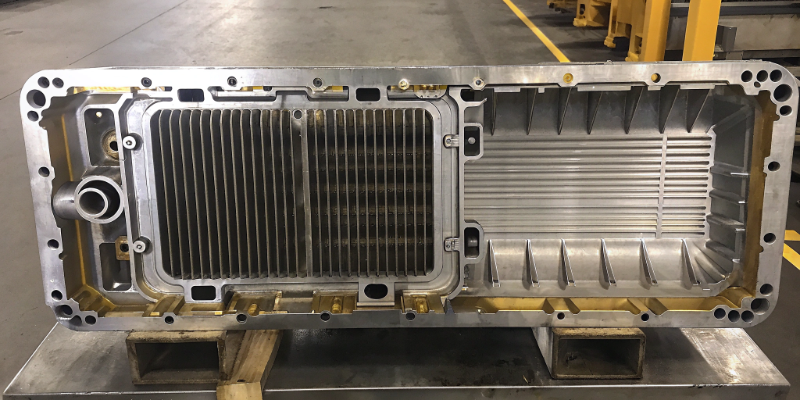
Common Defects and How We Solve Them
Casting thin walls increases the risk of specific defects. As a manufacturer, we utilize advanced process controls to mitigate these risks.
- Cold Shuts: Occur when two flow fronts meet but are too cold to fuse.
- Solution: We use high-speed injection and precise temperature control of the Al-Si melt to ensure fusion.
- Porosity: Trapped gas in thin sections affects structural integrity.
- Solution: Utilization of Vacuum Assisted High-Pressure Die Casting. This removes air from the mold cavity before injection, allowing Al-Si alloys to fill voids densely.
- Die Soldering: High silicon can be abrasive or sticky to the die steel.
- Solution: Application of specialized die release agents and PVD coatings on the mold.
FAQ: Al-Si Alloys in Automotive Manufacturing
Q: What is the minimum wall thickness achievable with Al-Si alloys?
A: With high-fluidity alloys like ADC12 and vacuum die casting, we can achieve wall thicknesses as low as 0.5mm to 0.8mm over short distances, and 1.5mm to 2.0mm for larger structural parts.
Q: Can Al-Si die-cast parts be anodized?
A: It is difficult. The silicon content creates a dark, grayish smudge when anodized. For aesthetic parts, we recommend powder coating or e-coating. For functional protection, chemical conversion coating (chromate) is standard.
Q: Is A380 or ADC12 better for automotive parts?
A: It depends on the geometry. If the part has deep ribs, thin fins, or complex internal features, ADC12 is better due to flow. If the part is a general structural housing, A380 is more cost-effective and widely available in the US market.
Conclusion
Choosing the right Aluminum-Silicon (Al-Si) alloy is the foundation of successful thin-wall die casting. Whether you are designing heat sinks for EV battery packs or lightweight housings for transmission components, the high fluidity of Al-Si alloys ensures precision and weight reduction.
Are you looking to optimize your automotive components for weight and performance? Contact our engineering team today to discuss which alloy grade fits your specific die-casting needs.


