

Choosing the wrong aluminum alloy for an EV motor housing can lead to overheating, poor performance, and eventual failure. This compromises the entire powertrain, reduces vehicle range, and risks costly breakdowns.
The best aluminum for a motor housing must balance three key criteria: high thermal conductivity to dissipate heat, excellent mechanical strength to handle operational loads, and superior castability to allow for complex, lightweight designs. Alloys from the Al-Si-Cu family are the most common choice.
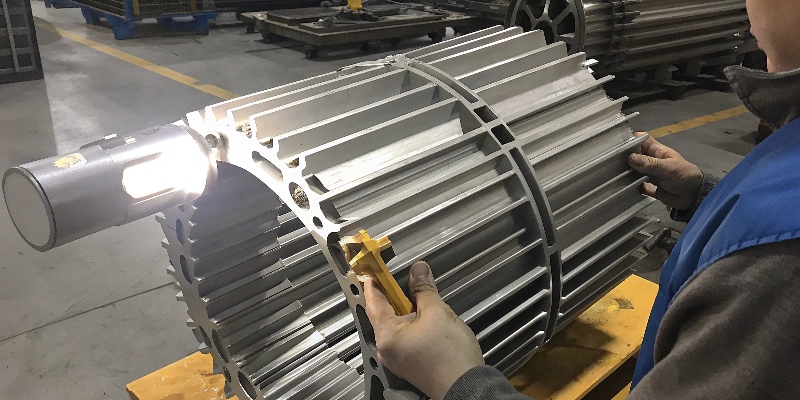
Over my 20 years in die casting, I have seen EV motor housings evolve from simple casings to highly complex, structural components. Selecting the material is one of the most critical decisions we make at the start of any project. My team works with Tier 1 suppliers from Germany, Canada, and the US, and this conversation comes up every single time. It’s not as simple as just picking an "aluminum." The choice has huge impacts on the motor’s performance, its lifespan, and the vehicle’s overall efficiency. Let’s walk through the key factors we evaluate to make the right call.
Why Is Thermal Conductivity the Top Priority?
Electric motors generate immense heat during operation. If that heat isn’t managed effectively, performance drops and critical components can be permanently damaged, leading to power loss.
An aluminum alloy with high thermal conductivity is the first and most important line of defense against heat. The housing acts as a primary heat sink, pulling thermal energy away from the motor’s stator and transferring it to the cooling system or the surrounding air.
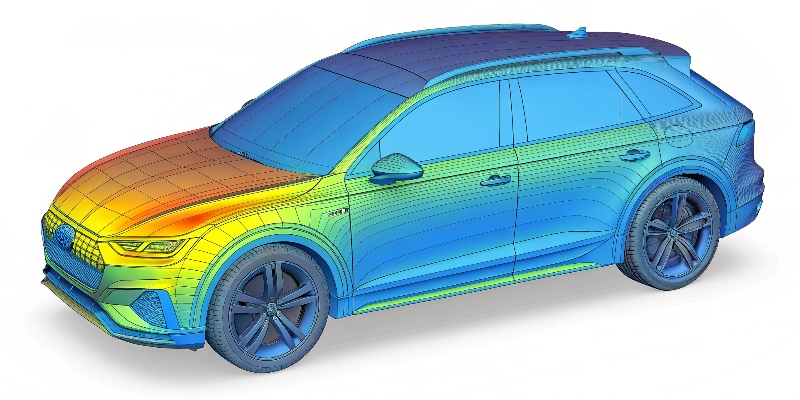
The number one enemy of an electric motor is heat. The motor’s stator and windings generate a tremendous amount of thermal energy, especially under high load. If this heat isn’t removed quickly, the motor loses efficiency and its permanent magnets can even become demagnetized, causing irreversible damage. The motor housing is not just a box; it’s an active part of the thermal management system1. The alloy must be able to conduct heat efficiently. This is why we often integrate complex liquid cooling channels directly into the housing casting. The material must effectively pull heat from the stator and transfer it to the coolant flowing through these channels. On a recent high-performance EV project, our initial simulations showed that a standard alloy was getting too hot. We worked with the customer to switch to a specialized alloy with higher thermal conductivity2. It was a more challenging material to cast, but it was necessary to keep the motor in its optimal temperature range.
Alloy Impact on Thermal Performance
Not all alloys are equal when it comes to heat transfer.
| Alloy Family | Thermal Conductivity (W/mK) | Typical Use |
|---|---|---|
| Al-Si-Cu (e.g., A380) | ~96 | General purpose, good balance |
| Al-Si (e.g., A413) | ~120 | Higher fluidity, better heat transfer |
| Specialized Alloys | >140 | High-performance, heat-critical applications |
How Strong Does a Motor Housing Need to Be?
The motor housing is not just a passive cover; it is a core structural part of the powertrain. It’s subjected to constant vibration, torque, and shock loads from the road.
The housing must be strong enough to withstand the motor’s torque and vibrations without deforming. Alloys with good tensile and fatigue strength ensure the precise alignment of bearings and shafts is maintained, preventing mechanical failure over the vehicle’s lifetime.
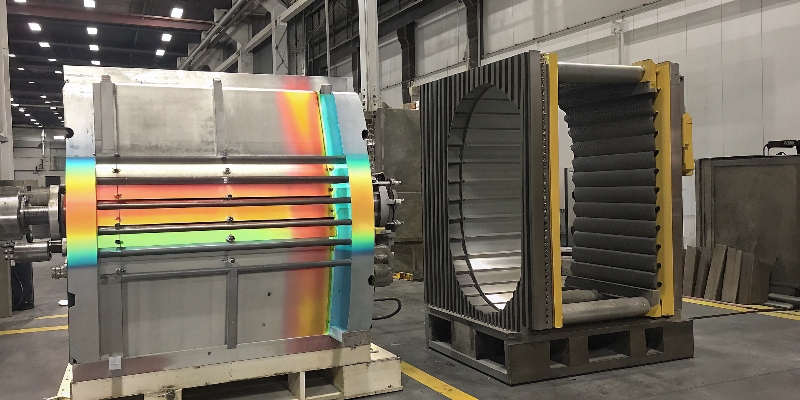
When an engineer looks at a motor housing, they see more than just a shell. They see a structural frame that has to hold heavy components in perfect alignment, down to a few microns. The housing is bolted to the vehicle chassis and has the motor’s rotor spinning inside it at thousands of RPM. It has to resist the immense torque of the motor while also handling constant vibration from the road. Any flexing or deformation can cause bearings to fail, leading to a catastrophic breakdown. We use alloys with proven mechanical properties, often containing copper or magnesium to increase hardness and strength. During the design phase, we run extensive Finite Element Analysis3 (FEA) simulations to identify potential stress points. I remember a project where a customer wanted an extremely lightweight design with very thin walls. Our analysis showed the housing would twist under full torque. We collaborated with their design team to strategically add strengthening ribs and select a slightly stronger alloy. This ensured the part was both light and strong enough to do its job safely.
How Do You Protect the Housing from the Elements?
A motor housing sits under the car, where it is constantly exposed to water, road salt, and dirt. Without proper protection, corrosion can set in quickly.
Protection starts with choosing an alloy with good inherent corrosion resistance, typically one with lower copper content. This is then combined with a durable surface treatment, like powder coating, to create a sealed barrier against the harsh underbody environment.
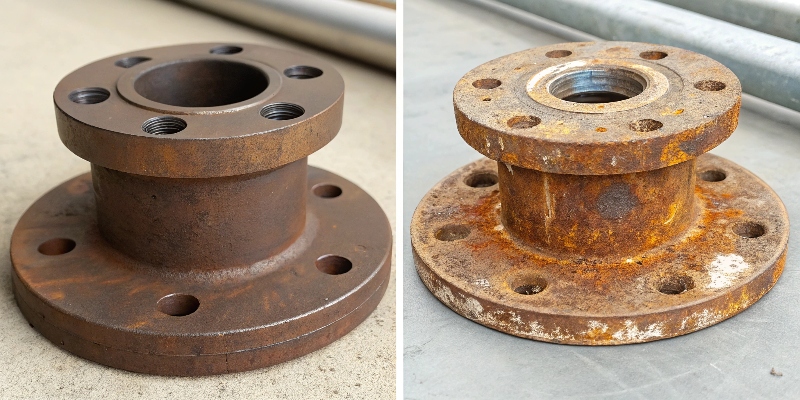
Corrosion is a silent killer of automotive components. For my customers in places with harsh winters like Canada or Germany, it’s a major concern. The salt used to de-ice roads is extremely corrosive to metals, including aluminum. Corrosion isn’t just a cosmetic problem; it can weaken the housing’s structure and compromise the sealing surfaces that protect the internal electronics from moisture. This is why we have a two-part strategy. First, we select an alloy with the best possible natural corrosion resistance4 that still meets the strength and thermal requirements. Alloys with high silicon and low copper content perform well here. Second, and this is crucial, we specify a high-performance surface coating. For most motor housings, this means a robust powder coat or an e-coat. This coating completely seals the aluminum from the outside environment. We also have to ensure the design prevents galvanic corrosion5, which can happen if the aluminum housing is in direct contact with a different metal, like a steel bolt.
Will the Chosen Alloy Work with Your Desired Finish?
You need a durable coating for protection, but not all aluminum alloys are compatible with every finishing process. An incompatible choice can lead to failed coatings and production headaches.
The alloy’s chemical makeup, especially its silicon content, must be compatible with the intended surface treatment. While high-silicon alloys are great for casting and powder coating, they are unsuitable for cosmetic anodizing, which requires a different alloy family.
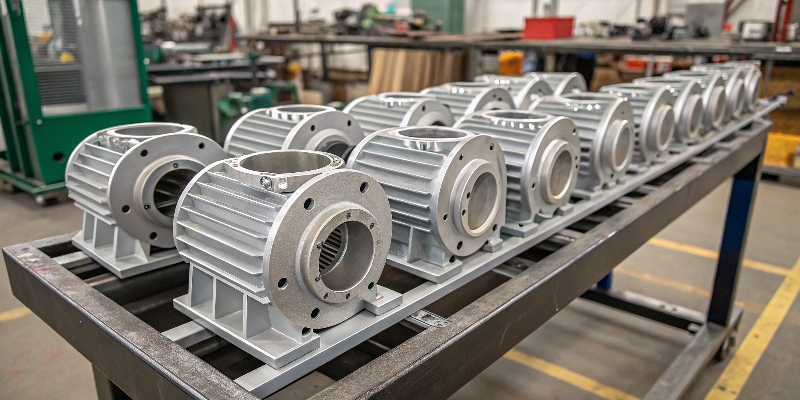
The material choice and the surface finish are deeply connected. For EV motor housings, the finish is almost always a functional one, not a decorative one. The main goals are corrosion protection and, in some cases, enhanced heat radiation. Powder coating is the most common and effective solution. Luckily, the high-silicon alloys that are excellent for die casting complex shapes are also perfect substrates for powder coating6. The process involves meticulous chemical cleaning followed by the electrostatic application of the powder, which is then cured in an oven. The result is a tough, durable shell. The problems start when there’s a mismatch in expectations. A customer once asked for a "clear anodized" finish on a housing made from A380 alloy7. I had to explain that the high silicon content in A380 would turn the finish a mottled, dark grey, not the bright, clear finish they wanted. We had to align on a silver powder coat to achieve the desired appearance while using the best alloy for the part’s function.
How Does Alloy Choice Impact Lightweighting?
In an electric vehicle, weight is the enemy of range. Every component is scrutinized for weight reduction opportunities, and the motor housing is no exception.
The right alloy is a key enabler for lightweighting. High-fluidity alloys allow us to die cast extremely thin walls and integrate features like mounting points and cooling channels into a single, complex part, eliminating the weight of extra components and fasteners.
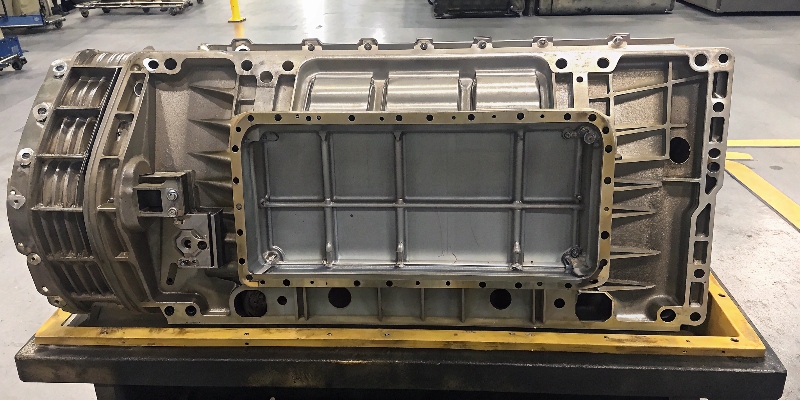
One of the biggest advantages of die casting is the ability to create complex, "net-shape" parts. This is where alloy selection plays a huge role in lightweighting. We need an alloy with excellent fluidity—meaning it flows like water when molten. This allows the metal to fill every tiny detail of the mold, enabling us to design housings with walls as thin as 2 mm. It also allows for "part consolidation8." I have led projects where we took a design that was originally five separate parts—a housing, two brackets, a cover, and a cooling jacket—and redesigned it as a single, elegant die casting. This instantly removes the weight of all the bolts, gaskets, and overlapping material. Our mold flow simulation software is critical here. It allows us to test different alloys virtually to see if they can successfully fill the complex design without defects, ensuring we can achieve the customer’s lightweighting goals in reality.
Does Your Material Meet Automotive Standards?
Automotive parts are not made with just any material. They must use approved, traceable materials that comply with strict industry standards and safety regulations to be used in a production vehicle.
Using a common, well-documented automotive alloy like A380 or ADC12 is the safest path to compliance. These materials have decades of performance data and are pre-approved in many OEM specifications, which greatly simplifies the quality and validation process.
This is a topic that is extremely important to my role as a supplier to the automotive industry. We operate under standards like IATF 16949, which demand absolute control and traceability. When we make a motor housing, we must be able to document the exact chemical composition of the aluminum ingot used for that specific production batch. This is a non-negotiable part of the Production Part Approval Process9 (PPAP) that we submit to every customer. This is why we almost always recommend using a standard, globally recognized alloy. These alloys are well-understood, their performance is documented, and they are already listed in the material specifications of major automakers. If a customer wants to use a new or exotic alloy, the validation process becomes much more complex and expensive. We would need to conduct extensive testing to prove its durability, safety, and long-term performance. Sticking with proven materials ensures a smooth and predictable path from design to production.
Conclusion
Selecting the right aluminum for a motor housing is a critical engineering decision. It requires a careful balance of thermal, mechanical, and manufacturing properties to achieve the performance, efficiency, and reliability that electric vehicles demand.
Learn about the role of thermal management systems in maintaining optimal performance in EVs. ↩
Understanding thermal conductivity can help you choose materials that prevent overheating in electric motors. ↩
Understand how Finite Element Analysis helps in designing strong and reliable motor housings. ↩
Learn about the importance of corrosion resistance in prolonging the life of aluminum components. ↩
Understand galvanic corrosion and how to protect aluminum components from this issue. ↩
Explore the advantages of powder coating for aluminum parts in terms of durability and aesthetics. ↩
Discover the key properties of A380 alloy that make it a popular choice in automotive applications. ↩
Learn how part consolidation can reduce weight and complexity in manufacturing processes. ↩
Understand the PPAP and its importance in ensuring quality and compliance in automotive manufacturing. ↩


